

AI micro-energy recovery routines have become a core feature of the 2026 wellness landscape, moving away from generic advice toward “closed-loop” interventions that respond to your body’s real-time physiological needs. These routines are powered by a new generation of “specialized” wearables and AI assistants that act as invisible energy managers throughout the workday. By 2026, devices like the Amazfit Active Max and the Luna Band utilize BioCharge Energy Monitoring to track your metabolic and cognitive readiness, triggering a recovery sequence the moment your heart rate variability or skin temperature signals an impending energy slump.
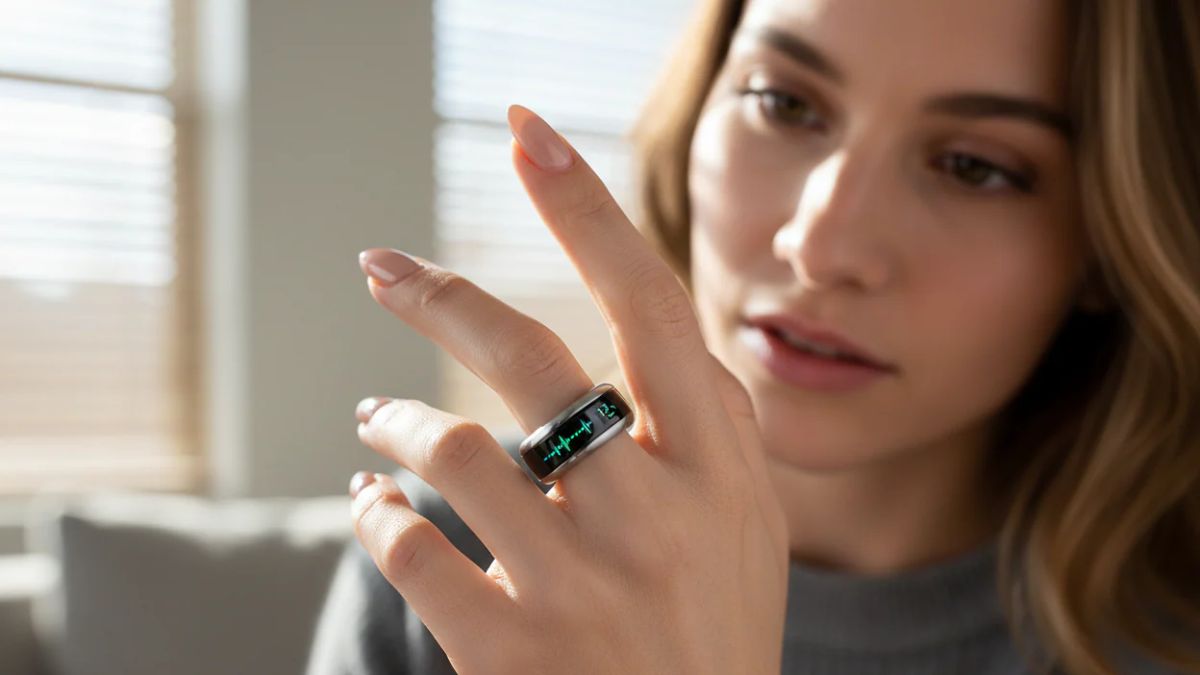
The most effective micro-recovery routines now utilize “in-the-flow” haptic coaching to deliver physical prompts without requiring you to look at a screen. Specialized smart rings, such as the Vocci AI Ring and various AI Haptic Rings, use built-in vibration motors to guide you through a three-minute “re-centering” session. If the AI detects a spike in your stress markers or a drop in your breathing regularity, it delivers a series of rhythmic pulses that you can follow to synchronize your heart rate. This allows you to perform a high-precision recovery ritual during a meeting or while working at your desk, ensuring you maintain a steady level of focus without disrupting your professional momentum.
In 2026, these routines are also being optimized through generative AI assistants that function as a “LifeOS” for your energy. Platforms like WHOOP 5.0 and Fitbit’s AI coaching now use large language models to correlate your daily behaviors with your recovery markers. If the AI notices that your mental clarity dips significantly after three hours of deep work, it can proactively suggest a “cognitive offload” routine. This might involve a voice-led micro-meditation or a quick physical movement sequence designed to flush cortisol from your system. By March 2026, these systems are increasingly “voice-led,” allowing you to ask your assistant for an “energy reset” and receive a custom-built routine tailored to your current environment and schedule.
The integration of biometric pattern recognition allows these AI systems to distinguish between physical exhaustion and “digital fatigue.” For creators and professionals who spend hours on “prompt treadmills” or in virtual environments, the AI can identify when the brain’s “criticality” is too high. It then recommends a specific sensory-shift routine, such as a brief exposure to natural light or a specialized “binaural beat” audio track, to help the nervous system pivot from a state of intense focus to one of calm readiness. This data-driven approach ensures that your recovery is as efficient as your work, helping you navigate a high-demand 2026 schedule with greater resilience and consistent mental energy.