

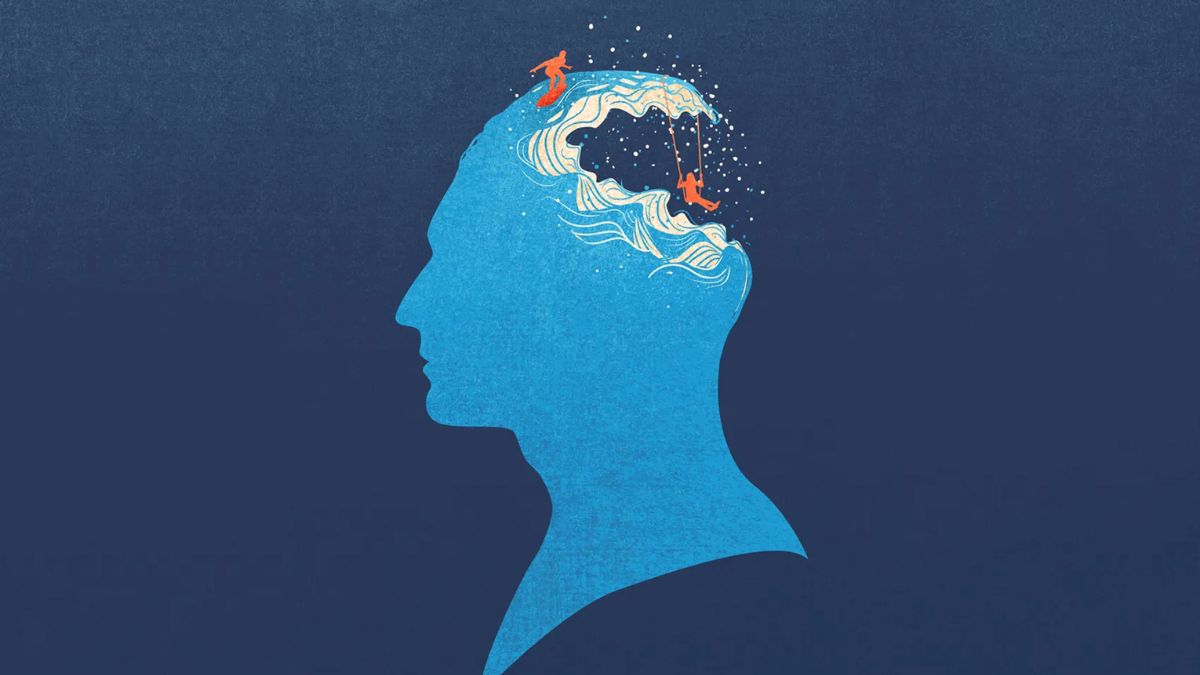
Lack of confidence in a new self is something that often appears during periods of personal change or transformation. It happens when a person is no longer fully aligned with their old identity, but the new version of themselves still feels unfamiliar and untested. This in-between stage can create self-doubt, hesitation, and emotional instability.
One of the main reasons this lack of confidence develops is unfamiliarity. Confidence is often built through repetition and experience. When someone steps into a new version of themselves, they have not yet built enough real-life experiences to feel fully secure in that identity. Because of this, actions may feel uncertain even if the intention is clear.
Another reason is the gap between internal change and external proof. A person may feel different inside, more aware, more evolved, or more aligned, but the external results or feedback have not yet caught up. This delay can create doubt about whether the change is real or sustainable, even though growth is already happening.
There is also the influence of old identity patterns. Even after change begins, the mind often carries remnants of previous habits, reactions, and beliefs. These old patterns can interfere with new behavior, making it feel inconsistent. This inconsistency can reduce confidence because the new self does not yet feel fully stable.
Fear of judgment plays a role as well. When a person starts expressing a new version of themselves, they may worry about how others will respond. If they are still sensitive to external opinions, this fear can make them hold back, second-guess themselves, or avoid fully stepping into their new identity.
Another factor is comparison with the old self. People often measure their current state against who they used to be. If the old version felt more confident or established, the new version may feel weaker in comparison, even if it is actually more aware or aligned. This comparison creates a temporary loss of confidence during transition.
Uncertainty about identity also contributes. When someone is still discovering who they are becoming, there is less clarity about how to act consistently. This lack of defined structure can feel like instability, which the mind may interpret as lack of confidence, even though it is part of exploration.
Emotional adjustment is another important layer. Change is not only mental but also emotional. The feelings associated with old identity, such as comfort or familiarity, may still be present, while new emotional patterns are still forming. This overlap can create inner confusion and hesitation.
The challenge with lack of confidence in a new self is that it can make a person doubt the change itself. They may assume that because they do not feel fully confident yet, the transformation is not real or complete. In reality, confidence usually develops after consistent experience, not before it.
As experience builds, the new identity slowly becomes more natural. Small actions, repeated choices, and gradual exposure to new situations begin to create familiarity. Over time, what once felt uncertain starts feeling normal.
Another important shift happens when focus moves from external validation to internal alignment. Instead of asking whether others approve or whether everything is perfect, attention begins to shift toward whether actions feel true to the new self. This reduces pressure and supports confidence building.