

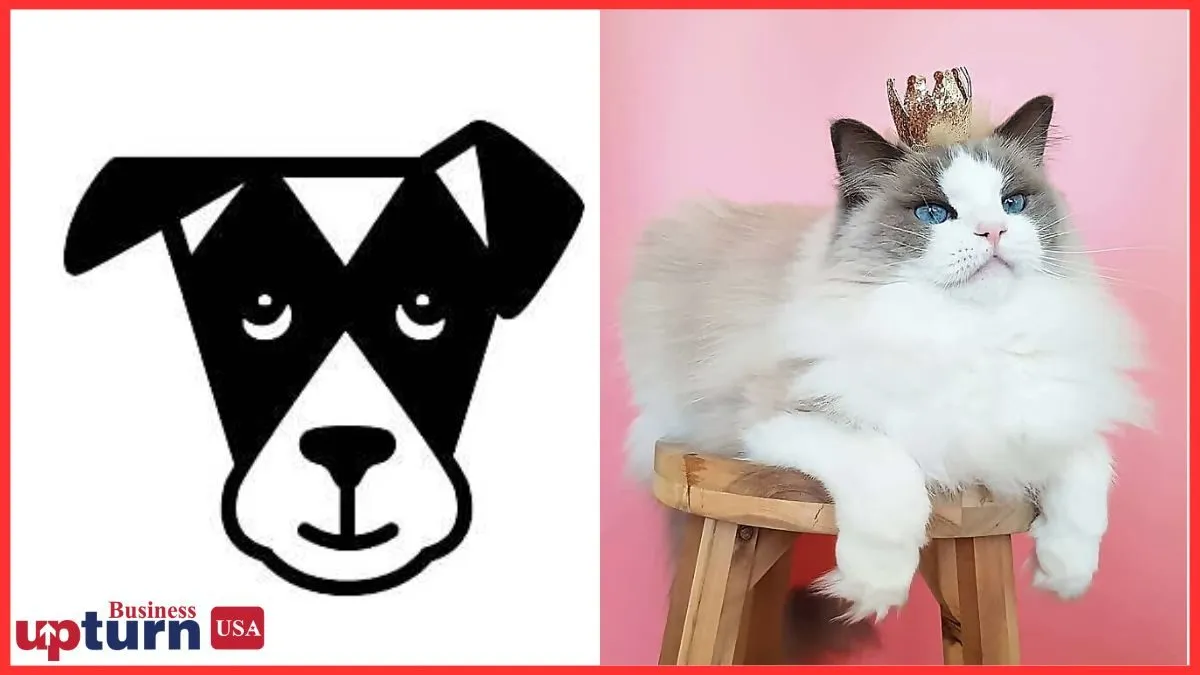
In the United States, pet influencers have evolved from charming online personalities to full-fledged businesses, redefining how brands engage with consumers. Two standouts in this arena are The Dogist, a celebrated dog photography brand and media platform, and Princess Aurora, the fluffy white Samoyed whose fairytale-like persona has captivated millions. Both have built profitable enterprises around their unique niches, yet their revenue strategies differ in meaningful ways.
For U.S.-based audiences and businesses, these influencers represent case studies in creative monetization. Their models reveal how emotional connection, professional branding, and strategic partnerships can turn pet fandom into diverse income streams. By examining their approaches, American marketers and entrepreneurs can glean actionable insights for building sustainable influencer-led businesses.
The Dogist’s diversified revenue streams: Photography, licensing, and books
The Dogist began as a street-style dog photography project by Elias Weiss Friedman but has since expanded into a multimedia brand. Its primary revenue streams include professional photography licensing, branded collaborations, and a strong foothold in print publishing. The Dogist’s Instagram following, which exceeds four million, serves as a powerful funnel to its e-commerce and licensing opportunities.
One major income generator is the sale of photo books like The Dogist: Photographic Encounters with 1,000 Dogs, which became a New York Times bestseller. These books not only drive direct sales but also bolster the brand’s reputation as an authority in canine storytelling. Additionally, The Dogist partners with major pet-care brands for sponsored content and campaigns, often emphasizing authenticity and high-quality imagery—appealing to U.S. consumers who value genuine brand-dog connections.
Princess Aurora’s fairytale branding and merchandise empire
Princess Aurora, affectionately known as Rory, has built her brand on visual storytelling that evokes whimsy and joy. Her Instagram account, with hundreds of thousands of followers, is a curated feed of dreamy, high-quality photos that align with her fairytale aesthetic. Aurora’s primary revenue streams include branded sponsorships, affiliate marketing, and a robust merchandise line.
The merchandise component is particularly noteworthy. Aurora’s team has created themed apparel, prints, and accessories that appeal to her fanbase’s desire to own a piece of her magical world. This merchandising approach turns casual followers into committed customers, a strategy that resonates strongly in the U.S. market where experiential branding and collectible culture are on the rise.
Sponsorships and brand partnerships: Tailoring strategies for the American audience
Both The Dogist and Princess Aurora excel at partnerships, but their methods vary to match their audiences. The Dogist frequently collaborates with major pet-food brands, animal charities, and lifestyle companies, emphasizing professional, documentary-style content. Its partnerships often include photo campaigns and digital ads, leveraging the trust The Dogist has earned as a premier dog photographer.
Princess Aurora, meanwhile, focuses on whimsical storytelling in her sponsored content. Brands in the U.S. lifestyle, pet, and even fashion sectors have partnered with Aurora to reach audiences who appreciate her dreamy, joyful vibe. By incorporating sponsored products seamlessly into her aesthetic, Aurora ensures her feed remains visually cohesive—an essential factor for maintaining fan engagement and brand appeal.

Events, appearances, and charitable initiatives
For The Dogist, live events such as pop-up photo sessions, meet-and-greets, and charitable collaborations play a significant role in revenue diversification. These events not only generate direct income but also strengthen community ties, particularly in U.S. cities with active dog-loving communities. Charitable campaigns, such as fundraising for animal shelters, enhance the brand’s social impact while increasing its visibility.
Princess Aurora’s public appearances are less frequent but often highly curated. She occasionally participates in charity drives or themed events that align with her brand’s magical persona. While not a primary revenue source, these events contribute to long-term brand equity and deepen emotional connections with her American audience.
E-commerce and digital strategy: Selling experiences, not just products
The Dogist operates an e-commerce store featuring prints, apparel, and accessories. Each product reflects the brand’s clean, documentary-inspired aesthetic, appealing to U.S. consumers who value minimalist design and premium quality. The website also offers licensing options for commercial use of The Dogist’s photographs, providing an additional revenue stream beyond direct consumer sales.
Aurora’s digital strategy focuses on creating an immersive fairytale world. Her online shop features limited-edition items and themed collections, often marketed as exclusive or time-sensitive to encourage impulse purchases. This scarcity-driven approach leverages the psychology of collectability—a proven tactic in the American influencer market.
Content syndication and media collaborations
The Dogist has capitalized on media collaborations, with features in outlets like National Geographic, The New York Times, and major pet publications. Syndication deals and media appearances amplify brand recognition and attract sponsorships willing to pay premium rates. By positioning itself as a trusted media source, The Dogist commands higher-value partnerships and licensing fees.
Princess Aurora’s content has been shared widely across lifestyle blogs, pet websites, and social media roundups. While Aurora’s team doesn’t engage in traditional syndication to the same extent, her viral content frequently attracts inbound partnership opportunities. This organic exposure allows her brand to maintain exclusivity while still expanding reach in the U.S. market.
Audience engagement and community building
The Dogist uses storytelling to forge deep emotional bonds with followers, often sharing touching narratives about rescue dogs or service animals. This strategy not only builds loyalty but also encourages fans to support related products and campaigns. In the U.S., where consumers increasingly value brands with a purpose, The Dogist’s storytelling approach aligns with broader trends in conscious consumerism.
Aurora’s engagement strategy revolves around maintaining a joyful, escapist space for her followers. By consistently delivering high-quality, uplifting content, she cultivates a community that associates her brand with positivity and comfort. This emotional connection translates into repeat merchandise sales and strong engagement rates for sponsored posts.
SEO and social media optimisation strategies
The Dogist leverages its extensive photo archive to optimise for search traffic, using descriptive captions, alt text, and blog content on its website to target keywords like “dog photography” and “best dog stories.” This SEO-savvy approach increases discoverability among U.S. audiences seeking quality dog content. Social media cross-promotion and consistent posting schedules further boost engagement and organic growth.
Princess Aurora focuses heavily on Instagram aesthetics and TikTok-friendly content to maximise shareability. While her SEO strategy may be less formal, her team uses relevant hashtags and cross-platform promotion to stay visible. Her enchanting visuals are inherently optimised for viral potential, especially among U.S. audiences drawn to visually stunning pet content.
Comparing monetization resilience and scalability
The Dogist’s revenue model benefits from diversification—books, licensing, events, and e-commerce reduce dependence on any single income source. This makes it more resilient to algorithm changes or shifts in social media trends. For American businesses, this is a textbook example of hedging risk in influencer marketing.
Aurora’s model is more concentrated in merchandise and sponsorships, which can yield higher margins but may be more sensitive to audience engagement fluctuations. However, her strong brand identity and dedicated fanbase provide a level of stability, especially in the U.S. market, where niche communities can sustain long-term profitability.
A creative takeaway: Lessons for U.S. entrepreneurs
The contrasting models of The Dogist and Princess Aurora reveal that success in the pet influencer space isn’t about size alone—it’s about alignment between brand identity and revenue strategy. The Dogist thrives by combining professional photography credibility with diversified monetization. Aurora proves that emotional branding and immersive storytelling can transform a single pet’s persona into a thriving merchandise empire.
For U.S. entrepreneurs and marketers, the key insight is this: blending emotional connection with strategic diversification is vital. Whether building a media brand like The Dogist or a fantasy-driven merchandise line like Aurora’s, the most successful influencers treat their platforms not just as content outlets but as businesses designed for longevity.
A fresh perspective: Beyond pets—expanding the influencer business model
Perhaps the most intriguing lesson from these two influencers is their potential to inspire innovation beyond the pet niche. The Dogist’s professional-documentary approach could inform community-driven journalism or local storytelling ventures. Princess Aurora’s immersive branding might inspire experiential marketing for non-pet sectors, such as travel or wellness. In the U.S., where audiences crave authenticity and escapism in equal measure, these models show that even the fluffiest content can teach powerful business lessons.
This article is intended solely for informational and editorial purposes. It does not constitute endorsement or promotion of any artificial intelligence technology. Business Upturn makes no representations or warranties regarding the accuracy, completeness, or reliability of the information provided.