

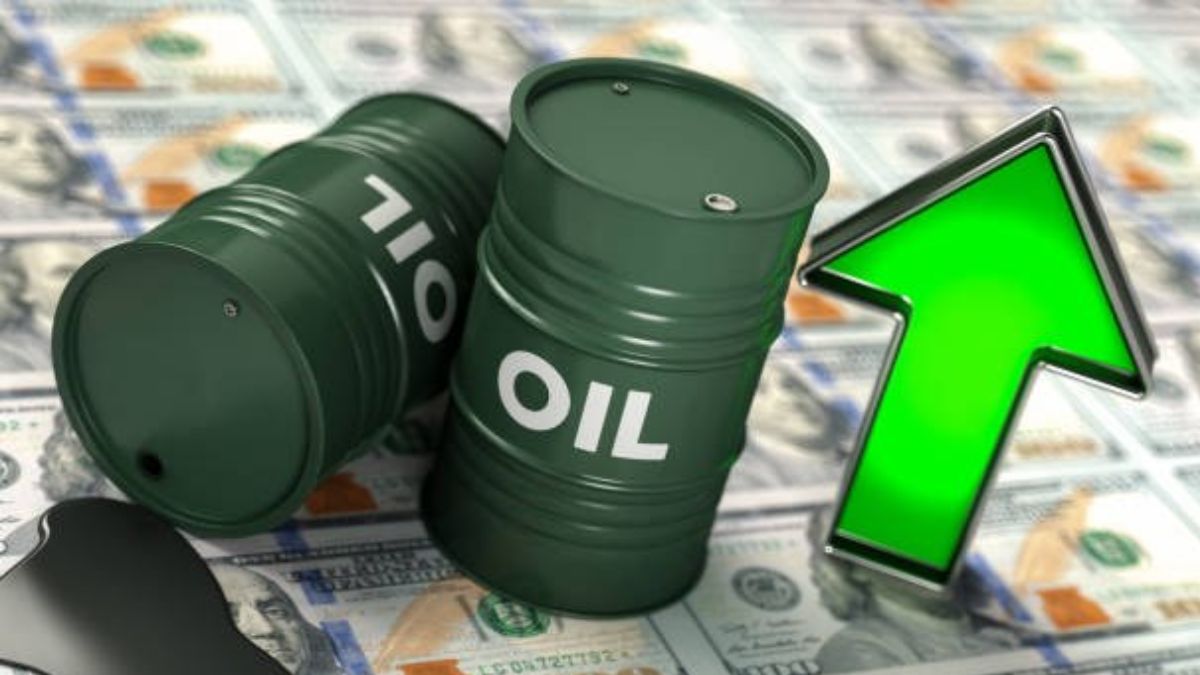
Speculative bubbles in Brent crude markets form when prices are driven more by investor behavior and expectations than by actual supply and demand fundamentals.
It usually begins when traders become strongly optimistic about future oil prices. This optimism can be triggered by events like supply disruptions, geopolitical tensions, or expectations of strong economic growth. As prices start rising, more investors enter the market hoping to profit from further gains.
This increased buying activity pushes prices even higher, which reinforces the belief that prices will continue to rise. At this stage, the market becomes driven more by momentum and sentiment rather than real consumption of oil. Financial traders, hedge funds, and algorithmic systems can all amplify this trend by increasing speculative positions.
As prices continue rising, they may move far above what physical supply and demand conditions justify. This is the core of a speculative bubble, where expectations of future price increases become self-fulfilling for a period of time.
However, bubbles are not stable. At some point, market participants start questioning whether prices are too high compared to actual demand. If demand weakens, supply increases, or negative news appears, confidence can quickly shift.
When sentiment changes, investors may rush to exit their positions at the same time. This sudden selling pressure can cause prices to fall rapidly, sometimes even more sharply than they rose. This phase is known as a correction or crash in the bubble cycle.
Liquidity conditions and leverage also play a role. Many traders use borrowed money to trade oil futures. When prices start falling, leveraged positions may be forced to close, which accelerates the downward movement.
In simple terms, speculative bubbles in Brent crude form when rising prices attract more buying based on expectations rather than fundamentals, pushing prices far above real demand and supply levels. Eventually, when sentiment shifts, the bubble can deflate quickly, leading to sharp price declines.