

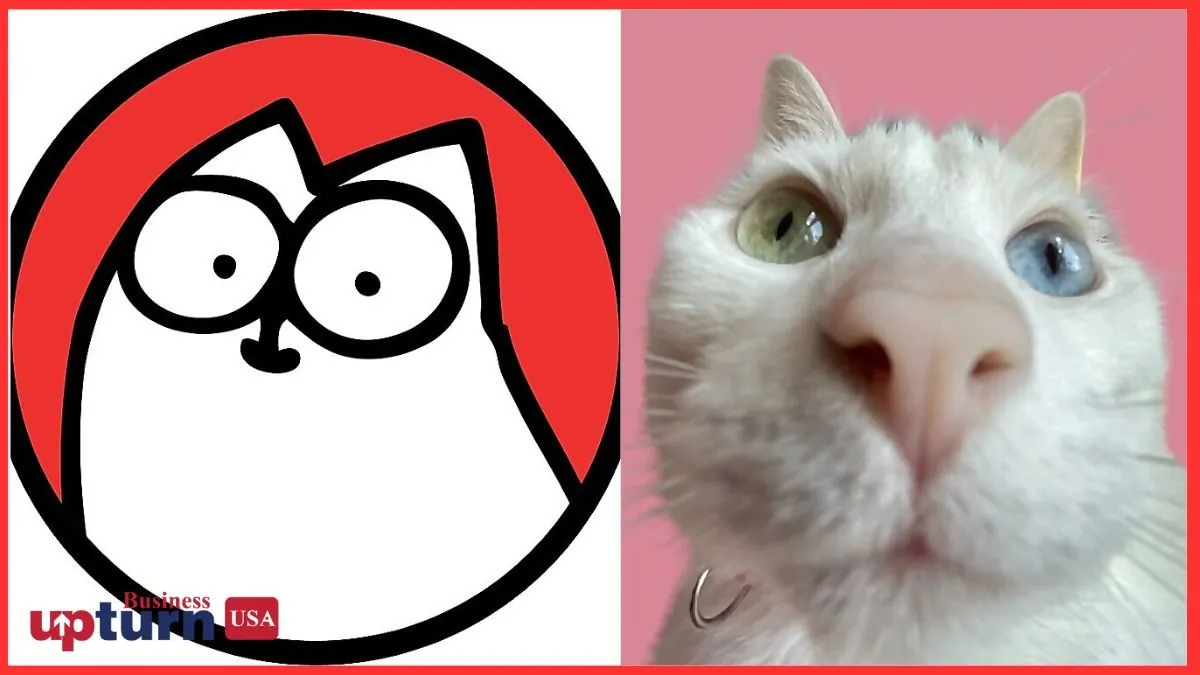
The world of pet influencers has exploded in popularity over the past decade, with cats taking center stage in digital storytelling. Among the most renowned feline influencers, Simon’s Cat and Khaleesi Cat have carved out substantial niches, captivating audiences worldwide. Beyond entertainment, these two influencers have built highly effective business models that generate revenue across multiple streams. From merchandise to YouTube ad revenue and brand partnerships, Simon’s Cat and Khaleesi Cat have set benchmarks in pet influencer marketing strategies in the U.S. This article dives deep into their income generation strategies and how they monetize their captivating feline personas.
How Simon’s Cat Built a Multi-Stream Revenue Empire
Simon’s Cat, created by British animator Simon Tofield, is a globally recognized animated cat franchise. While its origins are overseas, the brand’s presence in the United States is significant, thanks to strong social media engagement and partnerships with U.S. brands. Understanding Simon’s Cat business model offers insights into how animated pet influencers can monetize beyond traditional social media.
Merchandise and Licensing: Turning Animation into Profit
One of the core revenue streams for Simon’s Cat lies in merchandise and licensing. The brand offers a range of products including plush toys, apparel, stationery, and home decor. In the U.S., these items are available through online marketplaces like Amazon and specialty pet stores, directly targeting American consumers who have a high affinity for quirky, cat-themed products. Licensing deals with U.S. publishers also allow for Simon’s Cat books and comic compilations, further diversifying income.
This merchandising approach leverages the universal appeal of the animated cat, turning a creative character into tangible products. The licensing agreements ensure that revenue isn’t limited to direct sales but also includes royalties from third-party collaborations, making Simon’s Cat business model robust and adaptable to shifting market trends.
Digital Platforms: YouTube, Patreon, and Social Media Monetization
YouTube plays a pivotal role in Simon’s Cat’s monetization strategy. With millions of views per video, YouTube ad revenue provides a steady income stream. Additionally, the brand uses Patreon to offer exclusive content to paying subscribers, generating recurring revenue while fostering a loyal community. Social media platforms like Instagram, Facebook, and TikTok further amplify reach, attracting sponsorships from U.S.-based pet brands and lifestyle companies.
Sponsored content is another critical component of Simon’s Cat business model. Collaborations with pet food companies, toy manufacturers, and lifestyle brands allow Simon’s Cat to maintain authenticity while capitalizing on its massive online following. This dual approach of organic engagement and strategic partnerships ensures a well-rounded, profitable digital presence.
Khaleesi Cat’s Monetization Strategy in the U.S. Market
Khaleesi Cat, a real-life feline influencer, has captured the hearts of U.S. audiences through relatable content and an engaging personality. Unlike animated characters, Khaleesi Cat relies on social media authenticity to drive income. The brand’s business model focuses on leveraging personal engagement and lifestyle branding to maximize pet influencer revenue USA.
Social Media Influence: Sponsored Posts and Brand Partnerships
Khaleesi Cat monetization revolves heavily around social media, particularly Instagram, TikTok, and YouTube. Sponsored posts are a primary income source, with brands paying to feature their products in Khaleesi Cat’s content. U.S.-based pet food companies, grooming product brands, and luxury pet accessory lines frequently collaborate with Khaleesi Cat to reach a dedicated and highly engaged audience.
Brand partnerships extend beyond one-off posts. Long-term collaborations and ambassador deals allow Khaleesi Cat to generate consistent income while building credibility with fans. Additionally, strategic cross-promotions with other U.S. pet influencers expand reach and increase potential monetization opportunities, demonstrating an advanced understanding of pet influencer marketing strategies.
Merchandise, Apparel, and Lifestyle Products
Merchandise for Khaleesi Cat includes apparel, accessories, and themed lifestyle products. Unlike Simon’s Cat, which leverages animation for merchandising, Khaleesi Cat focuses on the lifestyle angle, encouraging fans to integrate products into their everyday lives. Limited-edition releases, such as seasonal clothing lines or collectible items, create scarcity and drive demand within the U.S. market.
Furthermore, Khaleesi Cat often collaborates with U.S.-based designers and small businesses to produce exclusive merchandise, ensuring authenticity and tapping into niche markets. This approach highlights a critical difference in monetization strategies between real-life and animated pet influencers, emphasizing personalization and relatability in driving revenue.
Comparing the U.S.-Centric Business Models of Simon’s Cat vs Khaleesi Cat
While both Simon’s Cat and Khaleesi Cat excel in revenue generation, their approaches differ due to the nature of their content and audience expectations. Understanding these nuances offers valuable lessons for aspiring pet influencers and marketers targeting U.S. consumers.
Audience Engagement and Revenue Diversification
Simon’s Cat relies on universal humor and relatable scenarios to engage audiences, creating a broad appeal suitable for merchandise, books, and digital content monetization. In contrast, Khaleesi Cat leverages a personal and relatable persona, fostering deeper emotional connections with followers. This distinction informs the types of revenue streams each can successfully pursue. Simon’s Cat benefits from scalable products and licensing deals, while Khaleesi Cat excels in social media sponsorships and lifestyle-driven merchandise.
Both influencers diversify revenue streams effectively. Simon’s Cat integrates YouTube ad revenue, Patreon subscriptions, and licensing, while Khaleesi Cat combines sponsored posts, direct product sales, and long-term brand collaborations. These complementary approaches illustrate how pet influencers in the U.S. can monetize content across multiple platforms while tailoring strategies to their unique audience demographics.

Unique Strategies That Give Each Influencer an Edge
Simon’s Cat business model has the advantage of timeless, animated content that can be repurposed endlessly. This flexibility allows for international expansion and consistent revenue from licensing and merchandise sales. In the U.S., this model benefits from a robust culture of pet-themed entertainment and gifting, ensuring sustained demand.
Khaleesi Cat, on the other hand, capitalizes on real-time engagement and influencer authenticity. Sponsored content and interactive campaigns with U.S. brands create a sense of immediacy and personal connection. Khaleesi Cat’s edge lies in adaptability; real-life interactions and personality-driven marketing resonate strongly with American audiences seeking authenticity over polished animation.
The Untapped Potential: Future Revenue Avenues in U.S. Pet Influencer Market
The U.S. pet influencer market continues to evolve, with new monetization strategies emerging every year. Both Simon’s Cat and Khaleesi Cat are well-positioned to explore untapped avenues, from virtual reality experiences and AI-powered content to exclusive membership platforms and personalized pet care subscriptions.
Additionally, collaborations with U.S.-based streaming platforms or appearances in lifestyle and pet-focused shows could expand visibility and revenue. For Simon’s Cat, interactive animation apps or gamification could enhance fan engagement, while Khaleesi Cat might explore interactive livestreams, behind-the-scenes content, or co-branded wellness products. As consumer demand for pet-centric content grows, these influencers can continue to innovate, leveraging their established brand identities to maximize profitability.
Conclusion: Insights into Pet Influencer Marketing in the U.S.
The business models of Simon’s Cat and Khaleesi Cat showcase the diverse strategies that pet influencers use to monetize content in the United States. While Simon’s Cat emphasizes scalable, licensed products and digital content monetization, Khaleesi Cat leverages personal engagement and lifestyle branding. Both approaches are highly effective, demonstrating that creativity, audience understanding, and strategic partnerships are key to sustainable income.
For U.S. marketers, these case studies offer valuable insights: pet influencer revenue USA is not limited to ad revenue or social media metrics alone. Success comes from a multi-stream approach, blending merchandise, sponsored content, brand partnerships, and innovative digital strategies. As the pet influencer industry continues to mature, the potential for new revenue streams and creative engagement remains vast, ensuring that feline stars like Simon’s Cat and Khaleesi Cat will continue to captivate audiences and generate substantial business growth.
This article is intended solely for informational and editorial purposes. It does not constitute endorsement or promotion of any artificial intelligence technology. Business Upturn makes no representations or warranties regarding the accuracy, completeness, or reliability of the information provided.