

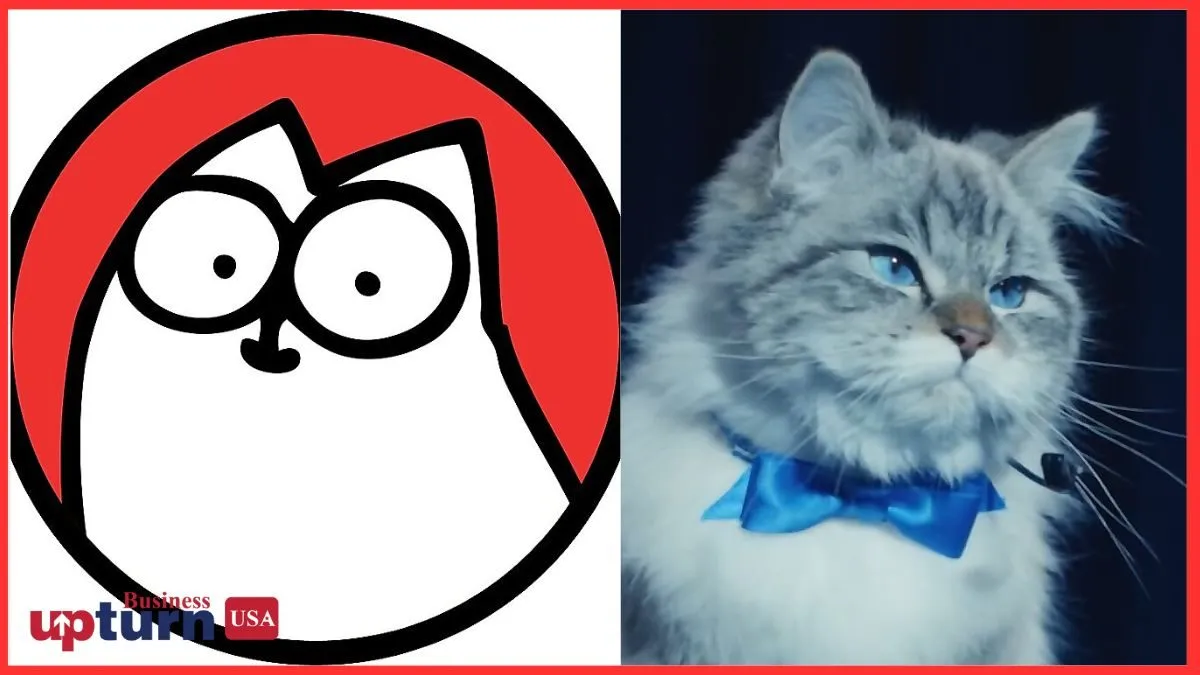
The world of pet influencers has grown exponentially in recent years, with furry stars capturing hearts and driving significant revenue streams. Among these, Simon’s Cat and Squirrel & Chipmunk have emerged as leaders in pet content monetization, captivating audiences in the United States and around the globe. While Simon’s Cat is known for its charming animated antics, Squirrel & Chipmunk brings an energetic and engaging live-action dynamic to the table. This article explores their business models, income generation strategies, and revenue streams, offering a comprehensive view of how these pets have built thriving U.S.-centric empires.
Simon’s Cat Business Model and Revenue Streams
Simon’s Cat has carved a niche in the pet influencer industry with its distinctive animation style and relatable pet humor. The brand’s business model is carefully designed to maximize multiple income channels, appealing to a broad U.S. audience of pet lovers, teens, and adults alike.
At the heart of Simon’s Cat’s success is its ability to convert audience engagement into sustainable revenue. With millions of subscribers across YouTube, Instagram, and other social platforms, the brand leverages high-quality content to attract advertising deals, sponsorships, and brand partnerships, particularly in the U.S. pet product market.
Merchandise and Product Lines
Merchandise represents a significant portion of Simon’s Cat business model. The brand offers a wide array of products, including plush toys, apparel, stationery, and home goods. These items are sold both online and through U.S. retailers, ensuring a steady revenue stream. Limited edition merchandise releases create urgency and drive repeated purchases, enhancing consumer loyalty.
YouTube Ad Revenue and Sponsorships
YouTube remains a core platform for Simon’s Cat, providing ad revenue through high view counts and consistent engagement. Sponsored videos with U.S.-based pet brands and lifestyle products offer an additional income layer. These collaborations are carefully curated to match the brand’s image, ensuring authenticity and audience trust.
Book Sales and Publishing
Simon’s Cat has successfully ventured into publishing, releasing books that compile animated stories and original content. These books are distributed widely in the United States, both in physical bookstores and online platforms such as Amazon. Book sales not only generate direct revenue but also reinforce brand visibility and long-term audience engagement.
Licensing and Brand Collaborations
Licensing deals form another cornerstone of Simon’s Cat revenue. U.S. companies license the brand’s characters for use in various products, from calendars to digital merchandise. This approach allows for passive income streams while maintaining brand integrity. Collaborations with pet food and accessory brands further enhance revenue potential and brand recognition.
Squirrel & Chipmunk Business Model and Revenue Streams
Squirrel & Chipmunk operates with a dynamic, personality-driven approach that appeals directly to U.S. audiences. Unlike the animated style of Simon’s Cat, this influencer duo focuses on live-action content, creating a more interactive and engaging experience for followers.
The brand’s business model emphasizes diversified revenue streams, with a strong focus on social media monetization, product collaborations, and premium subscription services. Squirrel & Chipmunk has cultivated a loyal fanbase through consistent engagement and creative content tailored for the U.S. market.
Merchandise and Limited-Edition Products
Merchandise is a key pillar of Squirrel & Chipmunk revenue. The brand offers themed apparel, accessories, and seasonal products. Exclusive U.S. releases and limited-edition collaborations with pet brands drive significant sales and foster a sense of community among followers. Online storefronts are optimized for easy U.S. shipping, ensuring accessibility and convenience.

Social Media Ad Revenue and Platform Strategy
Squirrel & Chipmunk leverages platforms such as TikTok, Instagram, and YouTube to generate advertising income. With a focus on highly shareable content, the duo attracts U.S. brand partnerships and sponsored posts. The brand’s strategy prioritizes audience engagement metrics, which increases the likelihood of premium advertising deals and sustained ad revenue.
Patreon and Subscription Models
A notable revenue strategy for Squirrel & Chipmunk is the use of Patreon and other subscription-based platforms. Fans can access exclusive content, behind-the-scenes footage, and personalized interactions in exchange for monthly support. This subscription model provides predictable recurring income and strengthens fan loyalty, particularly in the U.S. market where paid online communities are highly popular.
Licensing, Brand Collaborations, and Appearances
Squirrel & Chipmunk also generates income through licensing deals and collaborative projects with U.S. pet brands. Appearances at events, both virtual and in-person, contribute to revenue and reinforce brand presence. Partnerships with lifestyle and pet accessory companies are carefully aligned with brand values to maintain authenticity while maximizing earnings.
Comparative Analysis: Simon’s Cat vs Squirrel & Chipmunk
While both Simon’s Cat and Squirrel & Chipmunk excel in the U.S. pet influencer industry, their monetization strategies reveal key differences. Simon’s Cat primarily leverages content licensing, merchandise, and publishing, creating passive income streams that scale with brand recognition. In contrast, Squirrel & Chipmunk emphasizes live engagement, subscriptions, and interactive social content, producing more direct revenue from active fan participation.
Both brands share similarities in diversifying income channels and forming strategic brand collaborations. However, Simon’s Cat relies heavily on animation-based storytelling, enabling broader licensing opportunities, whereas Squirrel & Chipmunk capitalizes on personality-driven content, fostering a highly engaged community that supports premium subscriptions and social media advertising.
Audience Engagement and Content Strategy
Simon’s Cat focuses on humor and relatable pet scenarios that appeal to all ages, particularly adults who enjoy nostalgic or whimsical content. Squirrel & Chipmunk, meanwhile, tailors content for younger audiences and families, creating high-energy videos that encourage shares, comments, and direct fan interactions. This difference in content strategy impacts how each brand monetizes its audience in the U.S.
Platform Utilization and Revenue Diversification
Simon’s Cat strategically uses YouTube and Instagram as its primary monetization platforms, while Squirrel & Chipmunk diversifies across multiple social channels, including TikTok, for higher viral potential. Both brands maintain diversified revenue streams, but the balance between passive and active income differs. Simon’s Cat benefits from predictable licensing and merchandise revenue, while Squirrel & Chipmunk relies more on real-time engagement and subscription models.
Unique Insight: Untapped Potential in the U.S. Pet Influencer Market
One intriguing aspect of Simon’s Cat and Squirrel & Chipmunk’s U.S. strategy is their ability to capitalize on niche fan behaviors. For Simon’s Cat, licensing opportunities extend beyond pet-related products into lifestyle and home décor, a relatively untapped market for animated pet brands. Squirrel & Chipmunk’s interactive content could further expand into gamified experiences, offering virtual meet-and-greets or app-based engagement that monetizes attention in innovative ways.
Both brands demonstrate that U.S. pet influencers can thrive by understanding their audiences’ preferences and aligning monetization strategies accordingly. The blending of traditional merchandise, licensing, and new-age digital subscription models offers a roadmap for sustainable growth.
Conclusion
Simon’s Cat and Squirrel & Chipmunk showcase the diverse possibilities of pet content monetization in the U.S. market. Simon’s Cat excels with merchandise, publishing, and licensing, creating scalable passive income streams. Squirrel & Chipmunk, on the other hand, thrives on live-action content, subscriptions, and social media engagement, generating dynamic revenue through active fan participation.
Despite differences in approach, both brands succeed by diversifying income channels, maintaining audience engagement, and forming strategic partnerships. Their success highlights how creativity, brand alignment, and an understanding of U.S. market preferences can transform pet influencers into multimillion-dollar businesses. As pet content continues to captivate audiences, Simon’s Cat and Squirrel & Chipmunk remain shining examples of strategic monetization and long-term brand growth.
This article is intended solely for informational and editorial purposes. It does not constitute endorsement or promotion of any artificial intelligence technology. Business Upturn makes no representations or warranties regarding the accuracy, completeness, or reliability of the information provided.