

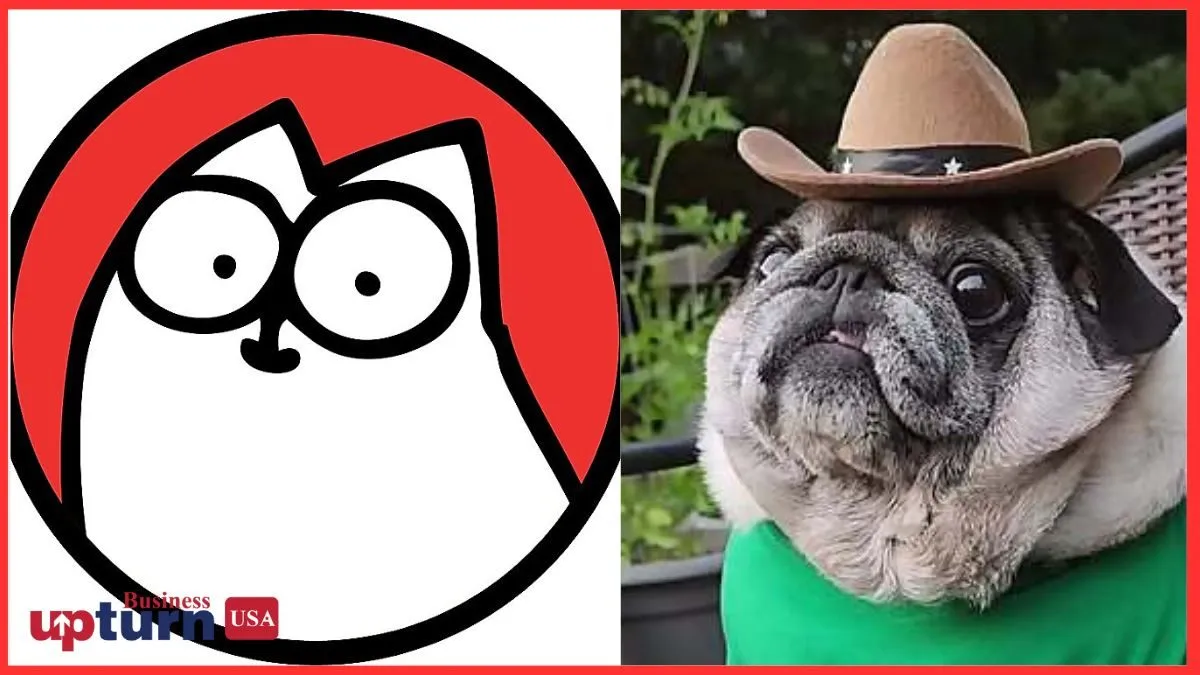
Pet influencers have grown from cute internet sensations to full-fledged business entities with complex revenue structures. Among the most notable are Simon’s Cat and Lil’ Pickles, two brands that have captivated global audiences while ingeniously transforming their charm into sustainable income streams. In this exploration, we dive into the details of their business models, dissect their revenue channels, and reveal how their strategies exemplify modern pet influencer monetization in the U.S. market.
Simon’s Cat Business Model: Turning Mischievous Charm into Profit
Content Platforms and Digital Monetization
Simon’s Cat began as a charming animated series that resonated with cat lovers worldwide. Its primary revenue driver is digital content distribution. By leveraging YouTube, Instagram, and TikTok, Simon’s Cat capitalises on ad revenue through platform monetization. For instance, YouTube’s partner program allows the channel to earn a substantial income per view, with CPM (cost per mille) rates in the U.S. market ranging from $4 to $8 for family-friendly animation content.
Beyond ad revenue, Simon’s Cat employs a subscription-based model on platforms such as Patreon. Loyal fans can access exclusive shorts, behind-the-scenes content, and early previews, creating a predictable revenue stream that complements advertising income. This dual approach ensures that Simon’s Cat maximises its pet influencer revenue streams by tapping both mass and niche audiences simultaneously.
Merchandising Strategy and Licensing Deals
Merchandising is central to Simon’s Cat business model. The brand offers an extensive range of products, including plush toys, calendars, stationery, and apparel. These items are sold via the official website and select retail partners across the U.S. By capitalising on the characters’ recognisable aesthetic and humour, Simon’s Cat has built a merchandising strategy that not only drives direct sales but also reinforces brand identity.
Licensing is another significant contributor to Simon’s Cat income. By licensing characters for collaborations with greeting card companies, mobile apps, and animation software, the brand gains a consistent royalty-based revenue stream. Such partnerships exemplify a sophisticated approach to pet influencer monetization, where the brand extends its reach beyond direct content consumption.
Lil’ Pickles Income: Crafting a Relatable and Engaging Pet Persona
Social Media Engagement and Sponsorship Deals
Lil’ Pickles has carved a niche by cultivating an interactive and relatable presence on social media. Platforms like Instagram and TikTok allow for rapid audience growth, while engagement metrics such as likes, comments, and shares drive the brand’s visibility. High engagement rates directly translate into higher sponsorship fees, as brands seek influencers with loyal and active followings.
Pet influencer sponsorships USA often involve partnerships with pet food companies, toy manufacturers, and lifestyle brands. Lil’ Pickles income is significantly bolstered by these collaborations. For example, sponsored posts or stories feature product placements in a way that feels organic to the content, ensuring higher audience receptivity. Unlike traditional advertising, this approach leverages the influencer’s persona to drive brand affinity and sales.
Merchandising, Appearances, and Indirect Revenue
Lil’ Pickles merchandising strategy complements social media monetization. Branded apparel, accessories, and limited-edition toys are designed to appeal to fans who wish to extend their engagement beyond digital platforms. Online pop-up shops and collaborations with established pet product retailers in the U.S. create tangible revenue streams that are independent of platform algorithms.
Additionally, public appearances, live events, and virtual meet-and-greets are indirect monetization methods that contribute to Lil’ Pickles income. These events, often ticketed or sponsored, not only generate revenue but also strengthen community ties, which in turn enhances long-term brand value. By blending direct and indirect income streams, Lil’ Pickles demonstrates the versatility and resilience of modern pet influencer business models.
Comparing Pet Influencer Revenue Streams
Ad Revenue vs Sponsorship: A Strategic Balance
Simon’s Cat business model relies heavily on ad revenue through content platforms, while Lil’ Pickles income is more dependent on sponsorships and partnerships. This contrast highlights a strategic choice: one leverages the scalability of digital content, the other focuses on high-value brand collaborations. Both approaches illustrate how pet influencer revenue streams can be tailored to audience characteristics and brand identity.
In practice, combining these strategies offers the most robust financial outcome. Simon’s Cat’s ad revenue ensures a steady baseline income, whereas Lil’ Pickles’ sponsorships provide higher-margin opportunities. For emerging U.S. pet influencers, this duality presents a blueprint: diversify monetization channels to mitigate platform dependency while maximising engagement-driven revenue.
Merchandising and Licensing Synergy
Merchandising forms a cornerstone for both Simon’s Cat and Lil’ Pickles, but the execution differs. Simon’s Cat leverages character recognition and nostalgia to sell a broad spectrum of licensed products. Lil’ Pickles, by contrast, emphasises limited editions and pop-culture collaborations to create urgency and exclusivity, driving short-term sales spikes and social media buzz.
Licensing is more pronounced in Simon’s Cat business model, where royalties provide a recurring income stream without the operational overhead of producing and distributing physical products. Lil’ Pickles income, while incorporating licensing, leans more on co-branded products with other pet or lifestyle brands. These variations reflect how each influencer aligns revenue strategies with audience perception and brand ethos.
Unique Angles in Pet Influencer Monetization
Audience-Driven Revenue
One aspect often overlooked in pet influencer monetization is audience-driven revenue. Both Simon’s Cat and Lil’ Pickles capitalise on fan engagement to enhance income. Crowdfunding campaigns for special content, user-generated content contests, and fan art collaborations not only increase engagement but can also be monetised through merchandise integration or exclusive access tiers.
For instance, Lil’ Pickles often engages followers in content creation, which indirectly boosts merchandise sales and sponsorship value. Simon’s Cat, meanwhile, utilises fan feedback for character spin-offs or seasonal product launches. Such strategies exemplify how interactive audiences become co-contributors to revenue, expanding the traditional definition of pet influencer business models.
Content Diversification and Platform Strategy
Both influencers utilise a diversified content strategy across multiple platforms. Simon’s Cat produces animated shorts, feature-length films, and comic strips, which ensures that revenue is not solely dependent on a single content type or distribution channel. Lil’ Pickles focuses on short-form videos, live streams, and social media-exclusive content, catering to the consumption patterns of younger U.S. audiences.
Platform diversification also impacts sponsorship and merchandising effectiveness. Brands are more likely to invest in influencers with multi-channel reach, as it amplifies campaign visibility. By strategically aligning content with platform strengths, both Simon’s Cat and Lil’ Pickles optimise pet influencer revenue streams, demonstrating advanced monetization tactics.

Future Outlook: Emerging Trends in Pet Influencer Business USA
Looking ahead, the U.S. pet influencer market is poised for innovation. NFTs, AI-generated content, and fan-driven commerce are emerging as viable revenue streams. Simon’s Cat could explore limited-edition digital collectibles, leveraging character IP for blockchain-based monetization. Lil’ Pickles, with a highly engaged fan base, might implement AI-enhanced personalised content experiences or gamified merchandise drops.
The next phase of pet influencer business models in the U.S. will likely merge digital and physical assets, incentivising fan investment and participation. By observing the trajectories of Simon’s Cat and Lil’ Pickles, one can see a blueprint for sustainable growth: diversified monetization, strategic platform utilisation, and audience-driven innovation. These approaches ensure that pet influencer revenue streams remain resilient and adaptive in an increasingly competitive digital landscape.
Conclusion: Lessons from Simon’s Cat and Lil’ Pickles
Simon’s Cat and Lil’ Pickles exemplify the evolution of pet influencer monetization in the U.S. market. From ad revenue and sponsorships to merchandising, licensing, and audience-driven revenue, their business models offer a multi-dimensional approach to income generation. For aspiring influencers, the key takeaway is the importance of strategic diversification, engaging content, and a deep understanding of audience behaviour.
As the industry evolves, innovative avenues like NFTs, AI content, and fan-driven commerce will redefine what it means to monetise a pet persona. The success of Simon’s Cat and Lil’ Pickles demonstrates that with creativity, engagement, and strategic planning, even the smallest influencers can build enduring, profitable brands in the U.S. pet influencer landscape.
This article is intended solely for informational and editorial purposes. It does not constitute endorsement or promotion of any artificial intelligence technology. Business Upturn makes no representations or warranties regarding the accuracy, completeness, or reliability of the information provided.