

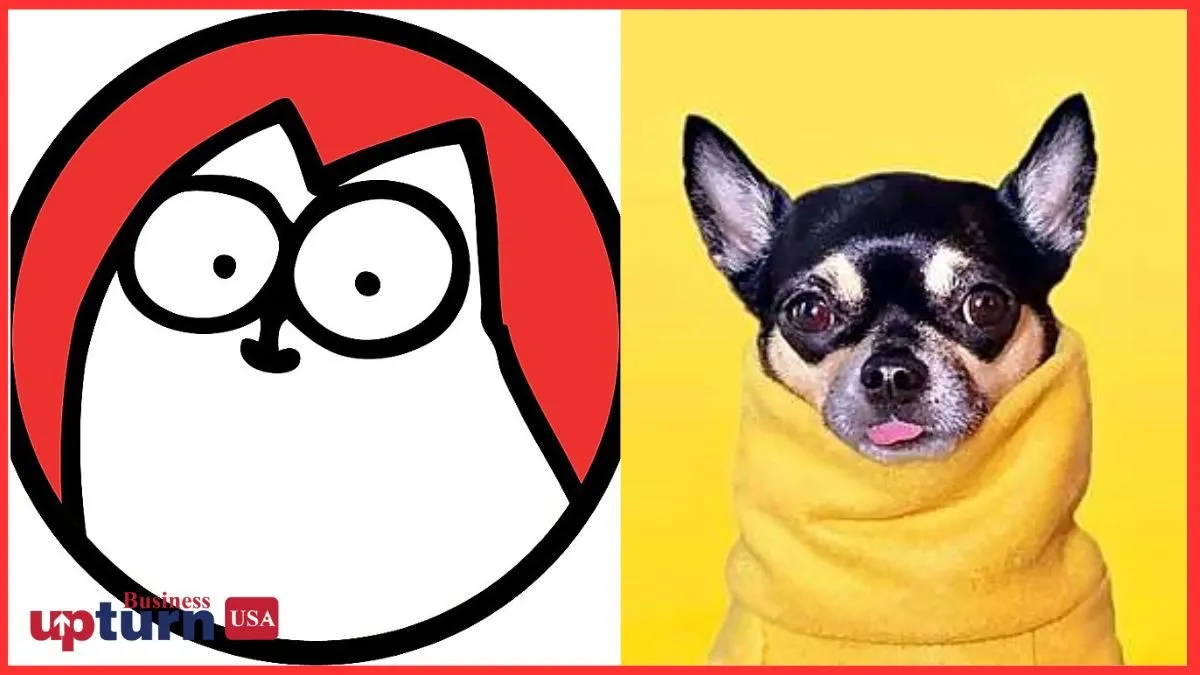
Simon’s Cat and Dolly Pawton have emerged as two of the most influential pet personalities globally, capturing hearts with humor, charm, and creativity. Beyond their adorable antics, both have built sophisticated business models that transform simple pet content into diverse revenue streams. Examining their approaches from a U.S.-centric perspective reveals the nuances of content monetization, brand partnerships, merchandising, and licensing, offering insights for both pet enthusiasts and aspiring digital entrepreneurs.
Content Monetization: How Pet Videos Translate to U.S. Revenue
YouTube Revenue Streams of Simon’s Cat
Simon’s Cat, created by Simon Tofield, gained fame through animated videos depicting humorous cat behaviors. YouTube remains a primary platform for monetization. Revenue comes primarily through ads, leveraging YouTube’s Partner Program, where earnings depend on views, ad engagement, and demographic targeting. The U.S. audience, with a high advertiser density, significantly boosts CPM (cost per thousand views), making Simon’s Cat videos especially profitable for U.S.-based ad campaigns. Monthly video views in the millions translate to consistent revenue that scales with subscriber growth and new video releases.
YouTube Monetization for Dolly Pawton
Dolly Pawton, a live-action influencer dog, focuses on lifestyle and pet care content. Monetization relies heavily on ad revenue from YouTube and sponsored content embedded directly into videos. With the U.S. pet market being one of the largest globally, Dolly Pawton attracts brands targeting American dog owners, boosting CPM rates. Seasonal content, like holiday-themed pet tips, aligns with peak advertising periods in the U.S., enhancing overall monetization potential.
Comparative Insights on Video Content
Simon’s Cat benefits from evergreen content that can generate long-term ad revenue due to the timeless appeal of animated cat humor. Dolly Pawton’s live-action content thrives on relatability, trends, and current pet lifestyle topics, often driving higher engagement and direct sponsorships. Both models illustrate that understanding audience demographics and engagement patterns in the U.S. is crucial for maximizing video-based income.
Brand Sponsorships and Strategic Partnerships
Simon’s Cat Sponsorship Deals
Simon’s Cat collaborates with global brands, including pet food companies, lifestyle products, and entertainment ventures. Sponsored campaigns often feature animation tailored to the brand’s messaging. In the U.S., pet brands like Purina or PetSmart engage Simon’s Cat to reach millennial pet owners who respond favorably to humor-driven advertising. The scalability of animation allows for international licensing, but American campaigns remain particularly lucrative due to brand budget sizes and consumer purchasing power.
Dolly Pawton Brand Collaborations
Dolly Pawton partners with dog-centric brands, pet subscription boxes, and lifestyle companies. Collaborations are often multi-platform, spanning Instagram, YouTube, and TikTok, with direct call-to-action content that drives measurable ROI for brands. U.S.-based sponsorships emphasize authenticity and relatability, leveraging Dolly Pawton’s personable presence and the growing trend of influencer-driven pet marketing.
Contrast Between Partnership Models
Simon’s Cat relies on creative animation to integrate brands seamlessly, suitable for storytelling campaigns. Dolly Pawton leverages real-life interactions, unboxing experiences, and lifestyle demonstrations to engage audiences. Both methods highlight that U.S. pet consumers respond differently: storytelling attracts attention, while authentic experiences drive conversions.
Merchandising and Product Lines
Simon’s Cat Merchandise
Simon’s Cat has built a substantial merchandise empire including apparel, stationery, plush toys, and home decor. The U.S. market benefits from online retail platforms like Amazon, Etsy partnerships, and specialty stores. Merchandise aligns with brand aesthetics, and limited-edition releases or seasonal items create urgency, driving sales. E-commerce strategies tailored to U.S. audiences, such as holiday campaigns and subscription boxes, expand revenue beyond ad-based income.
Dolly Pawton Product Offerings
Dolly Pawton offers branded pet accessories, grooming products, and themed lifestyle items. Products often feature the influencer’s image or catchphrases, enhancing brand recall. Leveraging U.S.-centric marketplaces and fulfillment networks ensures fast delivery and customer satisfaction. Seasonal product drops and collaborations with American pet brands strengthen market relevance and boost revenue.
Comparative Analysis of Merchandise Strategies
Simon’s Cat benefits from its animated character licensing, which allows cross-product adaptation with minimal overhead. Dolly Pawton relies on physical presence and personal branding, creating tangible connections with followers. Both approaches highlight different advantages: animation allows scalable creative merchandise, whereas live-action branding fosters emotional attachment that encourages repeated purchases in the U.S.
Licensing Deals and Intellectual Property
Simon’s Cat Licensing Model
Licensing represents a cornerstone of Simon’s Cat revenue. The brand licenses characters for apparel, toys, books, apps, and even games. In the U.S., licensing extends to educational content, themed events, and digital media, tapping into American consumer enthusiasm for collectible and lifestyle products. Partnerships with American publishers and tech companies enhance visibility and generate additional revenue streams.
Dolly Pawton Intellectual Property Strategy
Dolly Pawton leverages branding for licensing collaborations, such as dog apparel lines, pet food partnerships, and co-branded merchandise. While not animated, Dolly Pawton’s unique image and personality enable licensing opportunities that reflect U.S. pet owner trends, including wellness products and eco-friendly pet accessories.

Licensing Comparison
Simon’s Cat’s animated format allows for broader licensing across digital and physical products, maximizing long-term revenue without requiring the physical presence of an animal. Dolly Pawton capitalizes on real-life relatability, offering licensing in lifestyle and pet wellness markets. Both strategies reflect how U.S. consumer preferences for animation versus authenticity influence revenue generation.
Digital Content and Unique Revenue Streams
Simon’s Cat Digital Products
Simon’s Cat has diversified into digital comics, e-books, mobile apps, and streaming content. These digital assets appeal to tech-savvy U.S. consumers and fans seeking interactive experiences. Apps featuring games or augmented reality content offer subscriptions or in-app purchases, creating recurring revenue beyond traditional ads.
Dolly Pawton Digital Ventures
Dolly Pawton’s digital initiatives include online courses for pet training, downloadable guides, and exclusive membership content. U.S. followers often engage in paid content for insider access, tips, and behind-the-scenes footage. Platforms like Patreon or exclusive Instagram content provide consistent, audience-driven revenue.
Unique Revenue Insights
Simon’s Cat emphasizes scalable digital experiences that can reach millions simultaneously, while Dolly Pawton focuses on personalized, interactive content that encourages audience loyalty. Both approaches illustrate that diversifying digital offerings is key to sustaining growth in the competitive U.S. pet influencer space.
Audience Influence and U.S. Market Dynamics
American viewers significantly shape both influencers’ income potential. High engagement, purchasing power, and brand awareness in the U.S. enhance ad revenue, sponsorship opportunities, and merchandise sales. U.S. pet owners increasingly seek relatable content, ethical brand partnerships, and products reflecting lifestyle trends. Simon’s Cat and Dolly Pawton have both tapped into these trends, tailoring content and products to match U.S. consumer expectations.
Trends like pet humanization, seasonal campaigns, and wellness-focused marketing have expanded opportunities for monetization. For example, U.S. consumers are more likely to purchase themed merchandise, subscribe to pet care courses, or invest in branded accessories for their pets, creating a lucrative ecosystem for pet influencers.
Fresh Insights: Storytelling vs. Relatability in Revenue Growth
A lesser-discussed angle is the psychological appeal driving revenue: Simon’s Cat leverages storytelling to create an emotional connection with humor and universal cat behavior, encouraging repeated engagement and long-term brand loyalty. Dolly Pawton capitalizes on live-action relatability, making followers feel personally connected to the dog’s experiences. For U.S. brands, understanding these subtle psychological drivers informs effective sponsorships, ad placements, and product launches, highlighting a nuanced layer of influencer monetization often overlooked.
Conclusion: Current Updates and Future Potential
Both Simon’s Cat and Dolly Pawton continue to evolve their business models in response to U.S. market trends. Simon’s Cat remains a powerhouse of animation-driven merchandising, licensing, and digital content monetization, while Dolly Pawton leverages live-action authenticity to attract brand partnerships and interactive digital products. Growth potential in the U.S. remains strong, with new sponsorships, seasonal campaigns, and innovative digital experiences on the horizon.
For aspiring influencers and businesses, their models offer a blueprint: combining multiple revenue streams, understanding audience psychology, and leveraging market-specific trends can turn pet content into a robust, multi-million dollar enterprise. Simon’s Cat vs Dolly Pawton income comparison underscores that, whether through animated antics or real-life charm, strategic monetization tailored to the U.S. audience is the key to enduring success.
This article is intended solely for informational and editorial purposes. It does not constitute endorsement or promotion of any artificial intelligence technology. Business Upturn makes no representations or warranties regarding the accuracy, completeness, or reliability of the information provided.