

Over the past decade, tarot reading has transformed from a niche spiritual practice into a thriving global business ecosystem. What once belonged to mystical fairs and candle-lit corners has now become a digital frontier, with influencers using platforms like YouTube, Instagram, and Patreon to reach millions. The rise of digital tarot entrepreneurship has birthed a new generation of spiritual creators who merge intuition with branding, empathy with monetization, and personal connection with scalable business models.
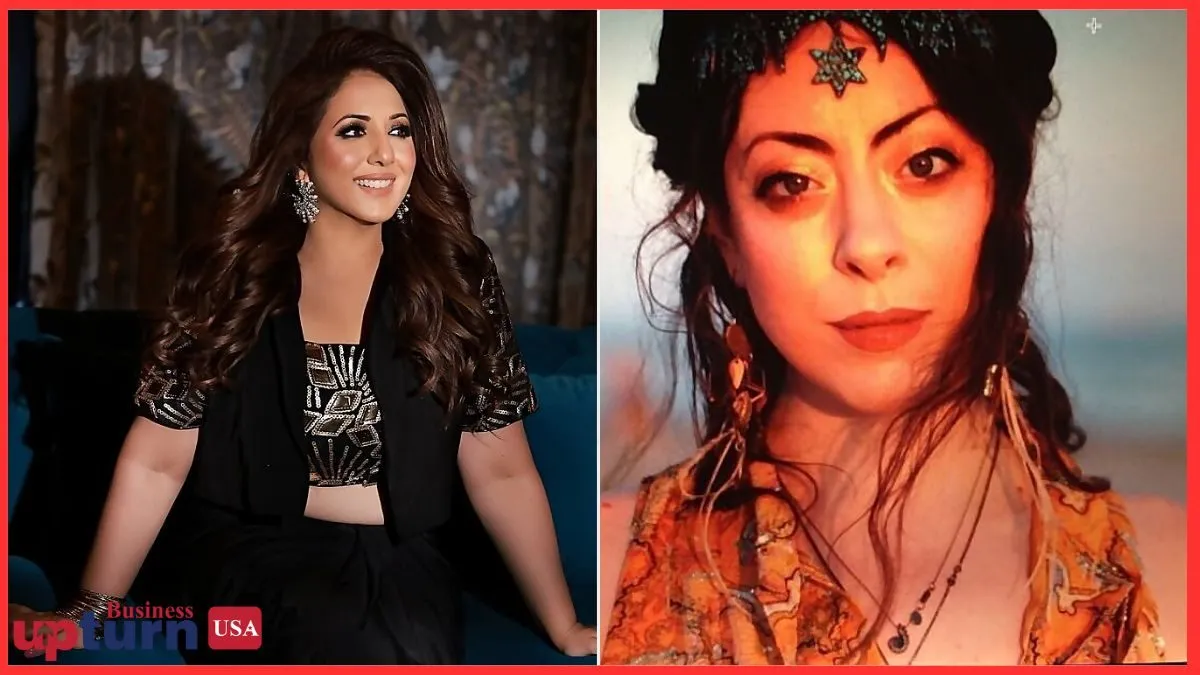
Among these modern tarotpreneurs, Munisha Khatwani from India and Sister Temperance Tarot from the West stand out as two powerful examples of how tarot has evolved into a multifaceted digital enterprise. While Munisha Khatwani has built a celebrity-driven spiritual brand deeply intertwined with the Indian entertainment industry, Sister Temperance Tarot has developed a global digital education empire rooted in accessibility, community, and authenticity. Together, they showcase two ends of the tarot business spectrum — one powered by fame and mainstream media, and the other fueled by digital community-building and transparent entrepreneurship.
Munisha Khatwani — The celebrity-driven tarot brand
How Munisha monetizes her celebrity edge
Munisha Khatwani’s business model is a textbook case of how personal branding can amplify spiritual entrepreneurship. A well-known name in India’s television and entertainment world, she leveraged her visibility to position herself as a trusted tarot authority. Her transition from TV personality to spiritual entrepreneur was not accidental — it was a strategic evolution that allowed her to transform recognition into revenue.
Today, the Munisha Khatwani business model revolves around multiple income channels: private tarot consultations, celebrity readings, brand collaborations, workshops, and digital courses. Her appearances on talk shows and entertainment networks provide organic marketing, boosting her visibility to both mainstream and online audiences. This blend of entertainment and expertise positions her as a modern mystic who bridges glamour and guidance.
Beyond consultations, Munisha’s content strategy plays a key role in her brand’s scalability. Her Instagram reels and YouTube videos combine motivation, tarot predictions, and manifestation techniques — all carefully designed to attract engagement and funnel viewers toward paid offerings. By balancing free content with premium services, she effectively converts social media followers into clients. Her monetization strategy mirrors influencer marketing principles, where trust and relatability drive conversions more than overt advertising.
Courses, readings, and collaborations as revenue streams
Munisha’s revenue structure extends beyond one-on-one tarot sessions. Her workshops and online tarot courses cater to audiences eager to learn from a celebrity expert. These digital products allow her to scale income beyond time-bound readings, turning knowledge into an evergreen asset. Her brand partnerships with lifestyle and wellness companies further diversify her portfolio, integrating spirituality with commerce in ways that appeal to aspirational millennials and professionals.
Corporate tie-ups and event collaborations add another layer to her income model. From hosting live tarot events to collaborating with production houses for celebrity readings, Munisha seamlessly merges spirituality with entertainment. This makes her brand both lucrative and media-friendly. The Munisha Khatwani business model thus thrives on a hybrid of celebrity credibility, digital engagement, and premium spiritual services.
Sister Temperance Tarot — The global digital tarot enterprise
Building a loyal online community through education and empathy
In contrast to Munisha’s celebrity-based brand, Sister Temperance Tarot exemplifies how authenticity and education can scale a tarot business globally. Rooted in North American digital culture, Sister Temperance built her following through transparency, inclusion, and consistent value delivery. Her YouTube channel, website, and Patreon form the core of her empire, each designed to empower and educate rather than simply predict.
Her videos — often calm, insightful, and deeply personal — teach audiences not just how tarot works, but how to integrate it into daily spiritual practice. This educational focus transforms passive viewers into active learners and, ultimately, loyal patrons. Her digital classroom format turns spiritual curiosity into structured learning, which generates recurring income through course sales, Patreon memberships, and e-book downloads.
The Sister Temperance Tarot income model thrives on building trust through transparency. She openly discusses pricing, reading ethics, and tarot misconceptions, creating an approachable image that resonates with modern seekers. Her inclusive tone attracts diverse audiences, from seasoned practitioners to beginners. This consistent educational messaging sets her apart in a market often clouded by mysticism and secrecy.
Diversified income through YouTube, Patreon, and consultations
While Munisha’s model leans heavily on media partnerships and celebrity exposure, Sister Temperance’s business is anchored in digital content monetization. Her YouTube channel serves as both a marketing funnel and a primary income stream, leveraging ad revenue, brand sponsorships, and affiliate marketing. Through Patreon, she offers tiered memberships, providing exclusive readings, behind-the-scenes insights, and tarot lessons to paying subscribers. This subscription-based structure ensures predictable monthly income while deepening community bonds.

Consultations and digital readings remain a key pillar, but they are balanced with scalable digital assets. Sister Temperance’s e-books, course bundles, and downloadable tarot guides represent passive income streams that grow independently of time. Her strategy embodies the essence of digital tarot entrepreneurship — creating systems that multiply spiritual impact while maintaining financial sustainability.
By merging spiritual education with digital literacy, she represents a new class of online entrepreneurs who view tarot not as an occult art but as a communicative, therapeutic tool. Her approachable branding and consistent engagement prove that empathy and structure can coexist within a monetized spiritual framework.
Business model comparison — Strategy, scalability, and sustainability
Both Munisha Khatwani and Sister Temperance Tarot have achieved remarkable success, but their strategies reveal contrasting philosophies. Munisha’s approach is top-down: leveraging fame, collaborations, and offline reputation to build a premium brand. Sister Temperance’s strategy is bottom-up: cultivating a loyal grassroots digital community that grows organically through educational value.
In terms of scalability, Munisha’s model thrives in visibility-driven ecosystems like India’s entertainment scene. However, its dependence on personal appearances and celebrity engagement makes it less automated. Sister Temperance’s digital-first structure, by contrast, offers long-term scalability through content that compounds over time. Her courses and Patreon model generate continuous revenue even without constant personal involvement.
Both models rely heavily on trust as currency. Munisha builds trust through mainstream credibility and consistent delivery, while Sister Temperance earns it through openness, consistency, and relatability. In both cases, trust directly translates into income — whether through private bookings or monthly patronage.
From a sustainability perspective, Sister Temperance’s diversified digital assets provide more resilience against platform fluctuations. Munisha’s strength, however, lies in her cross-platform recognition and offline collaborations, which ensure she remains relevant beyond the algorithm.
A viewer’s take — What makes each model appealing to us
Audiences flock to Munisha Khatwani for her polished, star-powered delivery. Her readings exude confidence, and her predictions carry weight thanks to her celebrity connections. Fans see her as a bridge between mainstream culture and mysticism, a blend of entertainment and enlightenment that makes spiritual guidance feel glamorous yet grounded.
On the other hand, followers of Sister Temperance Tarot are drawn to her authenticity and inclusivity. Her community-first approach makes viewers feel seen and supported. The value proposition here is not just guidance, but empowerment — she teaches audiences to read for themselves, creating a sense of independence within spirituality.
In essence, both create emotional economies: Munisha monetizes aspiration, while Sister Temperance monetizes belonging. Both models demonstrate how tarot influencer business strategy is not about selling predictions but about selling connection, clarity, and community.
The future of tarot entrepreneurship — Lessons from both empires
The success of these two tarotpreneurs reflects broader shifts in the wellness economy. As more people seek emotional connection and self-understanding, tarot has evolved into a medium of emotional commerce. The Munisha Khatwani business model proves that spirituality can thrive in mainstream media without losing authenticity, while the Sister Temperance Tarot income strategy shows how transparency and education can create scalable, sustainable businesses.
Future tarot entrepreneurs can learn from both: blend digital consistency with personal storytelling, diversify income through courses and community, and use content as both a teaching tool and a trust-building mechanism. Whether rooted in celebrity influence or community education, both models underline a key truth — spiritual entrepreneurship today is as much about business acumen as it is about intuition.
This article has been curated for informational and educational purposes related to tarot readers and the business aspects of spiritual entrepreneurship. Business Upturn makes no representations or warranties regarding the accuracy, completeness, or reliability of the information provided.