

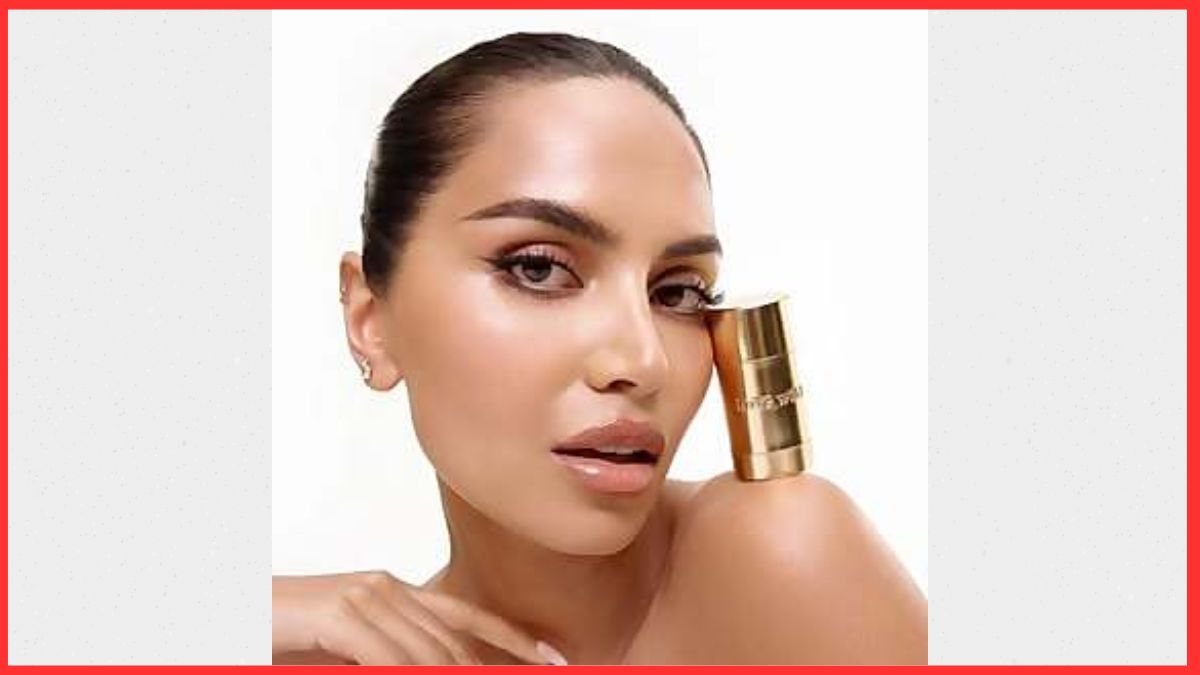
In today’s creator economy, few names reflect a structured, scalable business model as effectively as Diipa Büller-Khosla. Operating at the intersection of luxury fashion, beauty entrepreneurship, and digital influence, Büller-Khosla has transformed her platform into a multi-channel revenue engine with global reach and strong commercial discipline.
Core Revenue Stream: Brand Partnerships and Campaign Deals
Premium Brand Collaborations as Primary Income Driver
Büller-Khosla’s foundational income stream comes from high-value brand partnerships. She collaborates with globally recognized luxury and beauty companies such as Estée Lauder, Charlotte Tilbury, and Valentino Beauty. These partnerships typically involve multi-deliverable campaigns across Instagram, events, and branded storytelling formats.
Industry benchmarks indicate that top-tier influencers with millions of followers can command five-figure to low six-figure fees per campaign. Given her positioning in the premium segment, her deals are structured not as one-off posts but as integrated campaigns, increasing both deal size and long-term brand alignment.
Entrepreneurial Expansion: inde wild as a Scalable Revenue Engine
Direct-to-Consumer Beauty Brand Monetization
A defining shift in Büller-Khosla’s business model is her role as founder of inde wild, a beauty and wellness brand rooted in Ayurvedic principles and modern skincare science. Unlike influencer-only revenue, this direct-to-consumer (DTC) model enables margin control and recurring revenue.
Inde wild generates income through product sales via its e-commerce platform and strategic retail partnerships. In the U.S. market, DTC beauty brands typically operate with gross margins ranging between 60% and 80%, depending on formulation and distribution strategy. This positions the brand as a significantly higher-margin venture compared to traditional influencer marketing deals.
Product-Led Growth Strategy
The brand’s hero products, including serums and oils, are marketed through content-led storytelling rather than aggressive paid advertising. This reduces customer acquisition costs and leverages her existing audience as a conversion funnel.
Platform Monetization and Digital Assets
Social Media as a Revenue Infrastructure
Beyond direct sponsorships, Büller-Khosla monetizes her social media presence through affiliate marketing, branded content licensing, and cross-platform amplification. Instagram remains her primary revenue driver, supported by short-form video platforms that increase engagement and discoverability.
Affiliate links tied to beauty and fashion products provide performance-based income, particularly in the U.S. market where affiliate ecosystems are mature and conversion tracking is robust.
Strategic Positioning: Advocacy as Brand Equity
Post for Change: Nonprofit-Linked Influence Strategy
Büller-Khosla is also the founder of Post for Change, a social impact initiative. While not a direct revenue stream, it strengthens brand equity and enhances long-term monetization potential by aligning her personal brand with purpose-driven campaigns—an increasingly valuable factor for U.S.-based advertisers.
The Bottom Line: A Diversified, High-Margin Influencer Business
Diipa Büller-Khosla’s income model reflects a transition from influencer to entrepreneur. Her revenue is diversified across three core pillars: premium brand collaborations, a high-margin DTC beauty brand, and digital monetization channels. This multi-layered structure reduces dependency on platform algorithms and creates sustainable, scalable income growth.
For U.S. audiences and marketers alike, her strategy illustrates a broader industry trend: the most successful luxury influencers are no longer just content creators—they are brand builders with vertically integrated business models.