

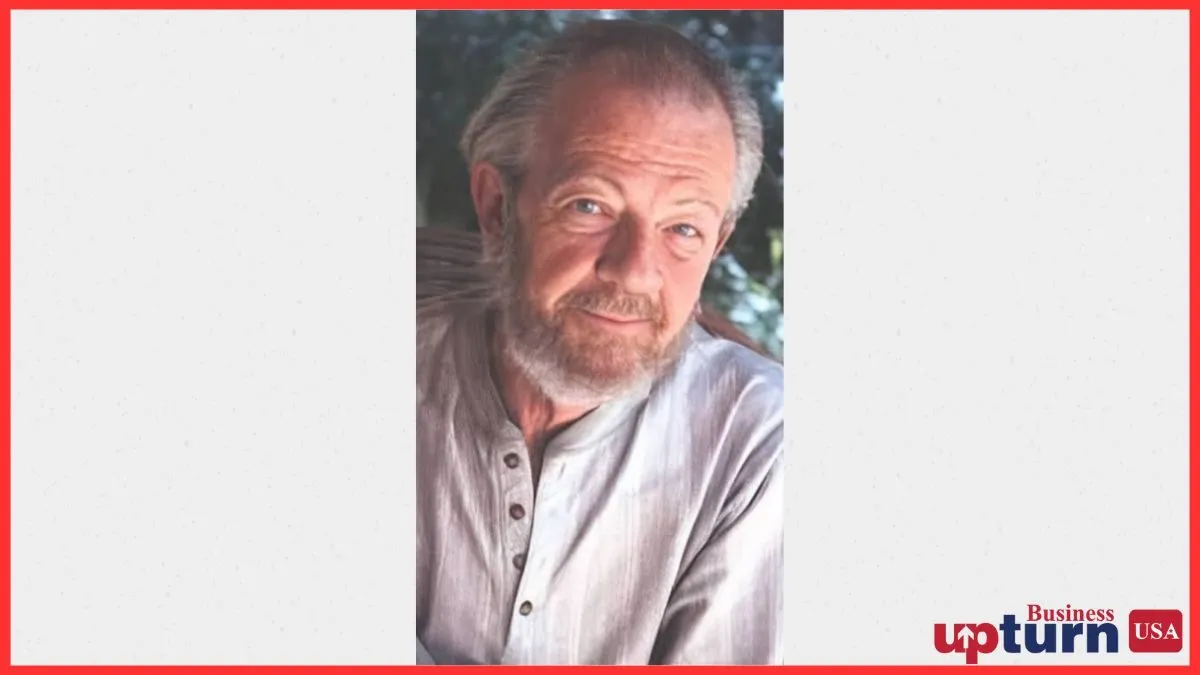
David R. Hawkins, M.D., Ph.D., is often remembered as a spiritual teacher, psychiatrist, and author—but few realize he also constructed one of the most enduring influence-driven business models in the American self-development and consciousness sectors. Known for his “Map of Consciousness” and bestselling works like Power vs. Force, Hawkins not only disseminated a complex spiritual and psychological framework but also embedded it in a robust publishing and education enterprise that continues to thrive long after his passing in 2012.
In a nation grappling with anxiety, polarization, and a renewed search for meaning, Hawkins’ work remains deeply relevant. From wellness influencers in Austin, Texas, to online communities in California, and self-help circles across New York and Florida, his business model has taken root in the American psyche. But what exactly makes it so effective, scalable, and enduring? This article explores the inner architecture of Hawkins’ business strategy—how it is monetised, licensed, marketed, and positioned for long-term resonance in U.S. society.
Conscious Commerce: The Scalable Architecture Behind David R. Hawkins’ Business Model
From Spiritual Philosophy to a Structured Revenue Engine
While many spiritual leaders operate informally or rely on donations, Hawkins built a streamlined revenue-generating system underpinned by intellectual property, licensed media, and premium educational content. The foundation of his business model was his publishing strategy—anchored by Power vs. Force, which became a cult classic in American wellness and self-improvement spaces. By partnering with Hay House, a major U.S.-based publishing house known for spiritual authors, Hawkins secured broad market distribution while retaining brand control.
Beyond books, he offered tiered access to content through audio lectures, DVDs, and digital recordings sold via his website, Veritas Publishing. These materials—branded with calibrated consciousness levels—acted as both educational assets and perpetual revenue streams. The tiered pricing structure, often ranging from $29.95 to hundreds of dollars for bundled seminars, mirrored the self-improvement industry’s shift toward perceived value over volume, a strategy now commonplace in American personal development.
Licensing and Intellectual Property: How Hawkins Created a Self-Sustaining System
One of the most strategically underappreciated aspects of Hawkins’ model is his sophisticated use of intellectual property. His “Map of Consciousness”—a hierarchical scale measuring levels of human awareness from Shame (20) to Enlightenment (1000)—was copyrighted and licensed through Veritas Publishing. Unlike abstract philosophical concepts, this quantifiable model allowed practitioners, coaches, and even corporations in the U.S. to reference his work under formal license agreements.
This licensing model transformed Hawkins’ intellectual work into a tool usable in coaching certifications, therapy practices, and business leadership workshops across the U.S., all while generating consistent revenue and reinforcing brand fidelity. In fact, several American consciousness coaches openly state they calibrate content or individuals based on Hawkins’ scale—creating indirect marketing loops that further amplify his legacy without centralized oversight.
The Publishing Pyramid: How David R. Hawkins Built a Lifelong Content Ladder for Americans
Strategic Book Releases and Evergreen Sales Funnels
David R. Hawkins’ publishing was not just prolific—it was methodically strategic. Each book built upon the last, forming a sequential knowledge system that kept readers engaged over years, not months. Beginning with Power vs. Force and culminating in later works like Letting Go and The Eye of the “I”, the Hawkins brand created what can be termed an “evergreen content ladder.”
This publishing model aligns with modern American consumption behavior, where readers gravitate toward comprehensive learning journeys. By layering entry-level titles with more advanced spiritual texts, Hawkins established a self-sustaining funnel that ensured long-term customer retention. Even today, Letting Go frequently ranks in the top 100 in Amazon’s U.S. spirituality category, over a decade after its initial release.
Print, Digital, and Audio: Multi-Format Monetisation Across American Demographics
Hawkins anticipated a shift toward multi-format content well before it became the norm. Veritas Publishing offered his lectures and seminars in multiple formats—DVDs for traditionalists, MP3s for digital adopters, and transcripts for readers. This diversified distribution allowed Hawkins’ brand to reach a wide spectrum of Americans: retirees in Arizona preferred DVDs, while younger seekers in Los Angeles or New York favored streaming or downloadable formats.
This multi-format strategy also aligned with the broader e-learning boom in the United States, positioning Hawkins’ materials as early forerunners of spiritually-centered online education. The decision to own the distribution channel through VeritasPublishing.com rather than rely on external platforms gave the business greater pricing control, direct consumer data access, and insulation from platform policies.
The Business of Transformation: Monetising Seminars, Workshops, and Live Events in the USA
High-Ticket Transformation Events and Community Formation
David R. Hawkins’ live seminars, especially those hosted across cities like Sedona, Phoenix, and Chicago, were instrumental in reinforcing brand loyalty and creating experiential learning environments. These events were monetised as high-ticket offerings, often exceeding $300 per seat, with some multi-day workshops costing significantly more. They weren’t merely lectures—they were immersive brand experiences.
In the American context, such events capitalized on a growing culture of self-investment—where people are willing to spend on retreats, bootcamps, and transformation experiences as much as they would on traditional vacations or wellness programs. By recording these events and repackaging them for resale, Hawkins effectively created a secondary income stream from a single primary asset.
Exclusive Access and Tiered Learning for Repeat Revenue
To enhance perceived value and exclusivity, Hawkins’ team often limited event access or created invite-only seminar tiers. For American consumers, exclusivity equals credibility. The approach created not only social proof but also FOMO-driven urgency—an evergreen marketing strategy within the U.S. consciousness market. As a result, many attendees became lifelong customers, purchasing every product that followed.
Community Influence and Online Reach: Sustaining an American Legacy Posthumously
Cultivating Grassroots Evangelists Through Online Forums and Reader Groups
Even without frequent direct media appearances, Hawkins’ influence in the U.S. continues to grow through decentralised user communities. American Facebook groups, Reddit threads, and Goodreads discussions are filled with users calibrating their own behaviors or world events based on Hawkins’ Map of Consciousness.
This organic community-building wasn’t accidental—it was seeded through the open licensing of concepts, accessible self-tests in books, and simplified models that individuals could apply without expert oversight. The American DIY ethos found fertile ground in Hawkins’ framework, allowing his brand to spread horizontally without institutional bottlenecks.
YouTube, Podcasts, and the Hawkins Revival Among Gen Z
YouTube channels and podcasts across the U.S. are now revisiting Hawkins’ teachings, often aligning them with modern mental health, trauma healing, or manifestation trends. Spiritual influencers on platforms like TikTok and Instagram have started referencing Hawkins’ scale as a measurable tool for emotional growth—an unexpected but powerful integration into Gen Z’s digital self-help movement.
Although Hawkins himself was not an influencer in the traditional sense, his structured teachings have become “content blocks” for digital creators, offering value-laden material that translates well to visual and auditory platforms. This dynamic has triggered a posthumous revival, attracting a new American demographic born well after his initial rise.
Value Creation Beyond Sales: David R. Hawkins’ Role in Shaping American Thought Culture
Personal Empowerment as a Scalable Ideology
At the heart of Hawkins’ business model lies a single ideological pivot: individuals are responsible for their state of consciousness, and thus, their reality. This message has become increasingly resonant in post-pandemic America, where decentralised healing, self-accountability, and inner transformation have eclipsed institutional trust.
By giving Americans a numeric model to track their growth, Hawkins turned abstract spiritual principles into something tangible and trackable—similar to how fitness apps gamify physical health. The ability to self-assess and “ascend” the scale gave his followers not just hope, but measurable motivation.
Creating a Personal Brand Economy Around Consciousness
Unlike gurus who built cults of personality, Hawkins created a brand around calibrated truth. This depersonalized structure made his model modular, licensable, and applicable to various sectors without the dependency on a charismatic figurehead. In America’s brand-driven economy, this translated to adaptability—from therapists using his techniques in clinics to corporations exploring leadership through calibrated consciousness.
Conclusion: The Enduring Mechanism of Conscious Capitalism in the Hawkins Model
David R. Hawkins didn’t just write books—he architected a business model that aligned spiritual depth with economic scalability. His integration of publishing, intellectual property licensing, digital education, and experiential events created a multi-pronged revenue ecosystem that continues to influence Americans’ inner and outer lives. More importantly, his framework embedded itself in the U.S. self-development economy in ways few spiritual figures have achieved: scalable, measurable, and perpetually relevant.
As American society moves deeper into self-reliant healing and digital spirituality, Hawkins’ model—grounded in consciousness metrics and modular teachings—may see a second wave of institutional integration. Whether through AI-powered wellness apps, corporate leadership modules, or university mindfulness programs, the potential for Hawkins’ calibrated insights to reframe America’s pursuit of well-being is far from exhausted.
In a nation where capitalism and consciousness often appear at odds, David R. Hawkins’ business model stands as a rare bridge—an economy of enlightenment that continues to scale.
(This article is intended for informational and editorial purposes only. It does not constitute endorsement or promotion of any individual, company, or entity mentioned. Business Upturn makes no representations or warranties regarding the accuracy, completeness, or reliability of the information provided.)