

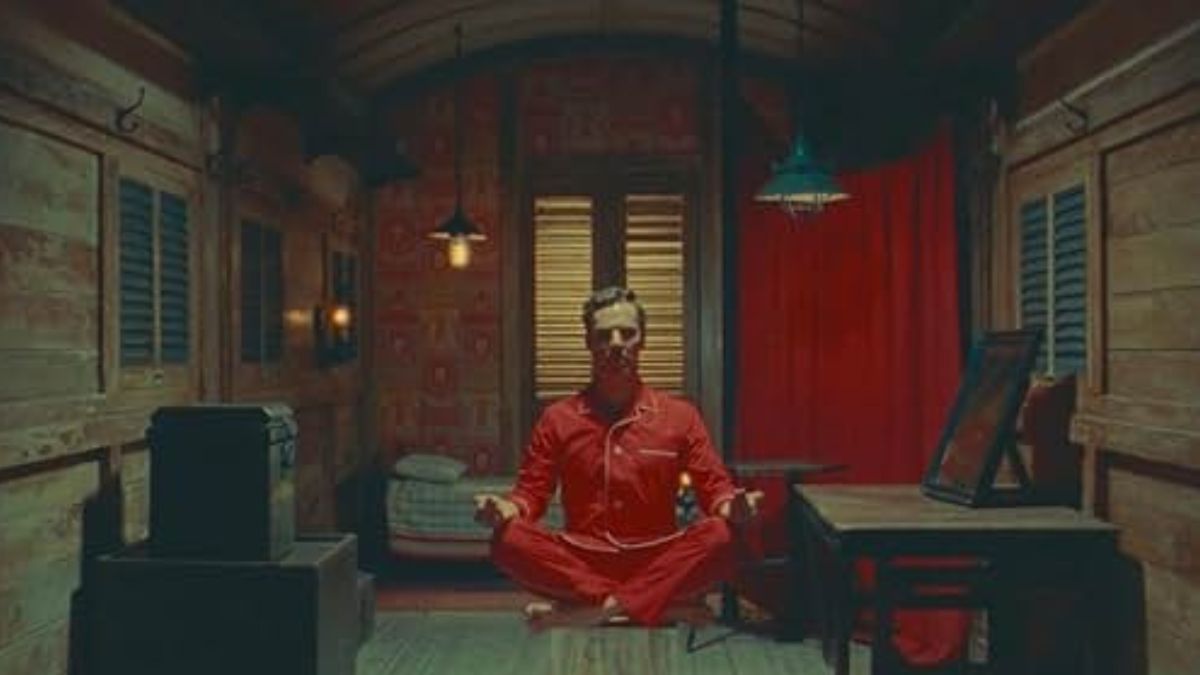
Aesthetic living started as something soft and inspiring. It was about noticing beauty in everyday life, slowing down, and creating small moments that felt calm and meaningful. For many people, it offered a sense of control and comfort, especially in a fast and overwhelming world.
But over time, that simple idea slowly turned into something heavier.
What began as appreciation became expectation. Instead of occasionally enjoying beautiful moments, people started feeling like their entire life needed to look and feel a certain way. Their space, routines, habits, and even emotions had to fit a specific aesthetic. This shift turned something natural into something that needed to be maintained.
That is where it becomes a trap.
When aesthetic living becomes a lifestyle, it creates pressure to keep everything aligned with a certain image. You may start thinking about how your surroundings look, how your day flows, and whether your life feels peaceful or “put together” enough. Instead of just living, you are constantly adjusting and refining.
This takes mental energy. Your mind is not just experiencing life, it is also evaluating it. Even simple tasks can feel like they need to be done in a certain way to match the aesthetic you are trying to create. Over time, this constant awareness becomes tiring.
Another part of the trap is comparison. When you see others living in visually pleasing and curated ways, it can make you feel like you need to do the same. It creates a silent standard of what life should look like. Even if you know it is not fully real, it can still influence how you see your own life.
There is also a loss of flexibility. Real life is unpredictable and sometimes messy. But aesthetic living often values calmness, order, and beauty. When your reality does not match that, it can lead to frustration. You may feel like you are failing at something, even though you are just experiencing normal ups and downs.
Over time, this can disconnect you from your natural preferences. You might start choosing things not because you truly like them, but because they fit a certain look or feeling. Your life becomes shaped by an image instead of your actual needs.
The trap is not in enjoying beauty. It is in feeling like you have to create it all the time.
When aesthetic living loses its softness and becomes a standard, it stops being freeing. It becomes something you try to keep up with, something that quietly controls how you live instead of supporting it.
Breaking out of this does not mean rejecting beauty. It means allowing it to exist without pressure. Some days will feel calm and pretty, and others will feel rushed and ordinary. Both are part of a real life.
When you stop trying to make everything aesthetic, you start to feel lighter. Life becomes less about how it looks and more about how it actually feels. And that shift is what brings back a sense of ease.