

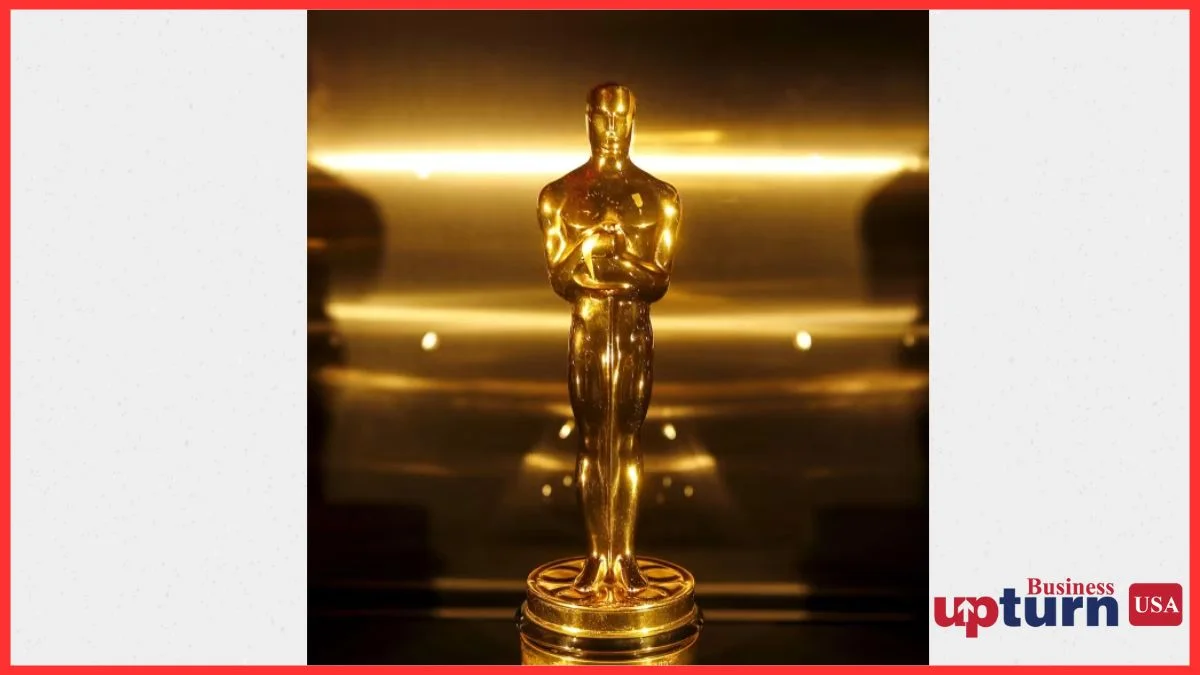
The Academy Awards are preparing for a historic shift that will reshape how American audiences experience Hollywood’s most prestigious night. Beginning in 2029, the Oscars will move from traditional broadcast television to streaming, with YouTube securing exclusive global rights under a multi-year deal running through 2033. The announcement, confirmed by the Academy of Motion Picture Arts and Sciences, marks the end of an era dominated by network television and the beginning of a new digital chapter for the entertainment industry.
This transition does not happen overnight. ABC, owned by Disney, will continue airing the ceremony through 2028, including the highly anticipated centennial celebration. After that, YouTube will become the primary stage for the Oscars, signaling a profound power shift in American media consumption.
The Oscars’ YouTube Deal Signals a New Media Power Center in the US
For decades, ABC served as the trusted home of the Oscars, shaping how generations of Americans gathered around their televisions on awards night. The Academy’s decision to partner with YouTube reflects a reality that can no longer be ignored: streaming platforms now define where audiences are, how they engage, and how culture spreads.
According to the Academy’s announcement, YouTube outbid ABC and other potential suitors during a competitive auction process. While financial details were not disclosed, the scale of the deal alone underscores YouTube’s growing influence as more than just a video platform—it is now a central pillar of global entertainment.
YouTube CEO Neal Mohan said the partnership aims to honor the Oscars’ legacy while inspiring a new generation of creators and film lovers worldwide. His statement emphasized continuity rather than disruption, a message likely crafted to reassure Hollywood veterans wary of Silicon Valley’s influence.
Hollywood Reacts as Tradition Meets Algorithm-Driven Audiences
Not everyone in the film industry views the move as a comfortable evolution. Some creators have publicly expressed unease, suggesting the partnership reflects deeper tensions between theatrical storytelling and audience-centric platforms. A screenwriter commented online that the deal felt like an uneasy alliance between old Hollywood and a platform that disrupted it.
Yet YouTube’s track record complicates that criticism. The platform has actively supported filmmakers experimenting with new formats, emerging technology, and alternative distribution paths. While the Oscars still prioritize theatrical releases, most award-winning films now reach American audiences primarily through streaming after their cinema runs.
From Red Carpets to Recommended Feeds: A Subtle Cultural Shift
Recent Best Picture winners illustrate this hybrid reality. Films often debut at prestigious festivals, enjoy theatrical releases, and eventually find massive second lives on streaming platforms. The Oscars’ move to YouTube formalizes what many US viewers already experience—discovering acclaimed cinema through a screen that fits in their hands.
ABC, in its farewell statement, expressed pride in having hosted the Oscars for more than half a century and voiced enthusiasm for its final three broadcasts. The tone suggested respect rather than rivalry, acknowledging that the media landscape has fundamentally changed.