

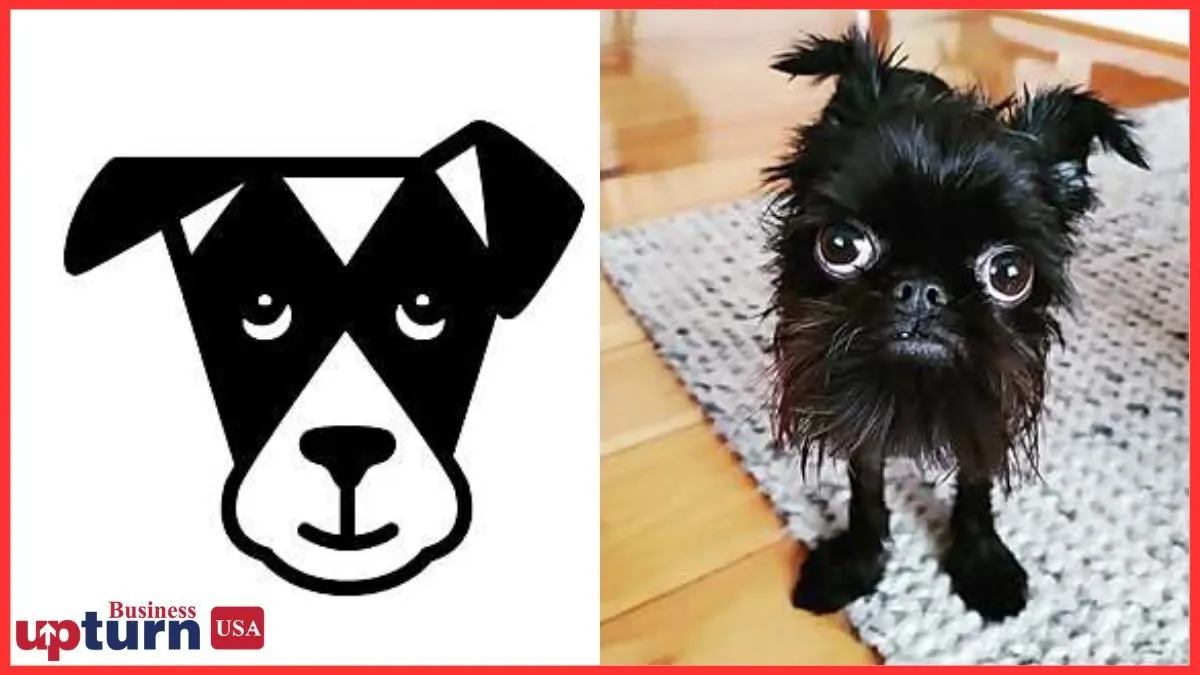
Pet influencer revenue in the USA has skyrocketed over the past decade. Among the standout names are The Dogist, a renowned dog photography brand that has evolved into a multifaceted pet influencer empire, and Melon & Squid the Griff, a beloved Brussels Griffon duo captivating fans across Instagram and TikTok. While both are adored for their unique personalities and impeccable branding, their income generation strategies reveal different approaches to pet influencer monetisation.
The Dogist business model centres on storytelling through photography. Founded by Elias Weiss Friedman, The Dogist started as a street-style dog photography project and blossomed into a global brand. Melon & Squid the Griff income streams, by contrast, rely heavily on personality-driven content, tapping into the charm of two cheeky Griffons whose relatable antics resonate deeply with pet owners and younger audiences.
The Dogist Business Model: From Photography Project to Pet Marketing Powerhouse
The Dogist began as a visual storytelling platform but quickly expanded its revenue streams. One key element of the Dogist business model is direct product monetisation. The brand sells photo books, calendars, and premium prints that allow fans to own a piece of its distinctive dog photography. This product line generates consistent income while reinforcing the brand’s position as a dog photography leader.
Another crucial component is brand partnerships. The Dogist collaborates with major pet-related companies and lifestyle brands, offering sponsored content that seamlessly blends with its authentic photography. These partnerships demonstrate how pet influencer revenue in the USA increasingly depends on high-quality, niche content rather than broad appeal. By aligning with trusted brands, The Dogist maintains its credibility while securing lucrative deals.
Sponsored Campaigns and Event Collaborations
Beyond products and partnerships, The Dogist leverages live events and charitable initiatives. Hosting photo walks, brand-sponsored pop-up exhibitions, and rescue fundraisers expands its reach beyond social media. These events are not only revenue opportunities but also build stronger community connections. Many brands pay premium rates for exposure at such gatherings, making event collaborations a core element of U.S. pet influencer marketing strategies.
The Dogist also licenses its images for media and advertising, creating another revenue stream. Dog photography brand monetisation through licensing ensures income diversification. This approach shields the business from overreliance on a single platform, an increasingly important consideration in an unpredictable social media landscape.
Melon & Squid the Griff Income Streams: Personality-Driven Monetisation
Melon & Squid the Griff thrive on personality-based branding. Their business model focuses on creating highly engaging video content that drives traffic and shares. Their charming skits and relatable dog-owner scenarios make them favourites among pet lovers who crave entertainment. Their income streams include sponsored reels, TikTok collaborations, and affiliate marketing links embedded within their content.
Merchandising is another pillar of their monetisation strategy. Branded toys, Griffon-themed apparel, and limited-edition accessories have become staples for their fans. By offering tangible products, Melon & Squid deepen their connection with their audience and open new revenue channels.
Strategic Partnerships and Platform Diversification
Like The Dogist, Melon & Squid collaborate with pet-related brands, but they approach these partnerships differently. They favour humorous, short-form content that subtly integrates products without feeling forced. This style appeals to younger demographics who dominate TikTok and Instagram Reels. Their collaborations often go viral, driving both brand recognition and revenue.
Platform diversification is another smart move. They have expanded from Instagram to TikTok, YouTube Shorts, and even Patreon, ensuring multiple income streams. This diversification protects them against sudden algorithm changes or platform-specific issues, a lesson many U.S. pet influencer marketing strategies have learned the hard way.

Comparing Merchandising Tactics
The Dogist’s merchandise focuses on photography-based products that showcase canine beauty and storytelling. Their calendars and photo books are designed for pet lovers who appreciate artistry. In contrast, Melon & Squid the Griff income streams from merchandise lean into playful humour and fandom culture. Limited-edition plush toys or quirky Griffon caricature tees create excitement, encouraging impulse buys.
This distinction reveals how different approaches to pet influencer revenue in the USA can target distinct audience preferences. The Dogist appeals to art collectors and dog enthusiasts, while Melon & Squid capitalise on fandom-driven enthusiasm.
Community Engagement and Philanthropy as Monetisation Tools
Community engagement plays a significant role in both business models. The Dogist frequently highlights rescue organisations, donating portions of proceeds to shelters. These acts of philanthropy build goodwill and attract socially conscious consumers. Brands seeking to align with ethical causes are drawn to The Dogist’s reputation, increasing its sponsorship opportunities.
Melon & Squid, while also supportive of rescue efforts, monetise their community engagement differently. They host live Q&A sessions, behind-the-scenes Patreon exclusives, and fan-driven challenges that increase subscriber loyalty. This model fosters a sense of closeness with fans, translating to direct financial support.
Leveraging Content Formats for Maximum Reach
The Dogist primarily uses high-resolution photography to tell powerful stories. Its content is often evergreen, making it ideal for long-term licensing. Melon & Squid the Griff, on the other hand, embrace the fast-paced nature of short-form video. Their TikTok clips and Instagram reels are designed for virality, which can spike merchandise sales and sponsored post fees in a short period.
Both strategies demonstrate how pet influencer revenue in the USA benefits from tailoring content formats to audience habits. The Dogist’s polished aesthetic appeals to premium brands, while Melon & Squid’s playful energy attracts viral marketing campaigns.
Revenue Stream Diversification: Why It Matters
Revenue stream diversification is critical for both. The Dogist balances products, licensing, partnerships, and events. Melon & Squid combine sponsored content, merchandise, affiliate marketing, and fan-supported platforms like Patreon. This diversification safeguards them against platform disruptions and shifting consumer trends, ensuring sustainable income.
Dog photography brand monetisation strategies like The Dogist’s show that timeless content has long-term value. Meanwhile, Melon & Squid’s approach reveals the potential of personality-driven content to generate rapid spikes in income.
Lessons for Aspiring Pet Influencers
Aspiring pet influencers can learn from these models. The Dogist’s success shows the value of a strong niche and professional presentation. Investing in quality photography or videography can elevate a brand. Melon & Squid teach the power of relatability and humour. Connecting with audiences emotionally can lead to high engagement and brand loyalty.
Both highlight the importance of understanding U.S. pet influencer marketing strategies. Building a loyal community, diversifying revenue, and staying authentic are the keys to longevity.
A Fresh Angle: The Future of Pet Influencer Monetisation in the USA
Looking ahead, one unexpected but promising trend could reshape pet influencer monetisation: pet-centric virtual reality (VR) experiences. Imagine fans attending immersive VR dog walks hosted by The Dogist or participating in virtual playdates with Melon & Squid the Griff avatars. As VR adoption grows, early adopters in the pet influencer space could unlock premium revenue streams unavailable through traditional platforms.
Additionally, the rise of AI-driven personalisation could allow these influencers to create custom content for fans, such as AI-generated Griffon art or personalised dog portraits. This blend of technology and pet influencer marketing strategies could define the next era of pet influencer revenue in the USA.
Conclusion: Two Paths, One Booming Industry
The Dogist business model and Melon & Squid the Griff income streams showcase two distinct yet equally successful approaches to pet influencer monetisation. The Dogist leverages timeless dog photography, product sales, and prestigious brand partnerships. Melon & Squid thrive on personality-driven content, merchandising, and multi-platform engagement. Together they demonstrate how U.S. pet influencer marketing strategies are evolving beyond simple social media fame into sophisticated, diversified business operations. With emerging technologies like VR on the horizon, the pet influencer industry in the USA is poised for even more creative and profitable opportunities.
This article is intended solely for informational and editorial purposes. It does not constitute endorsement or promotion of any artificial intelligence technology. Business Upturn makes no representations or warranties regarding the accuracy, completeness, or reliability of the information provided.