

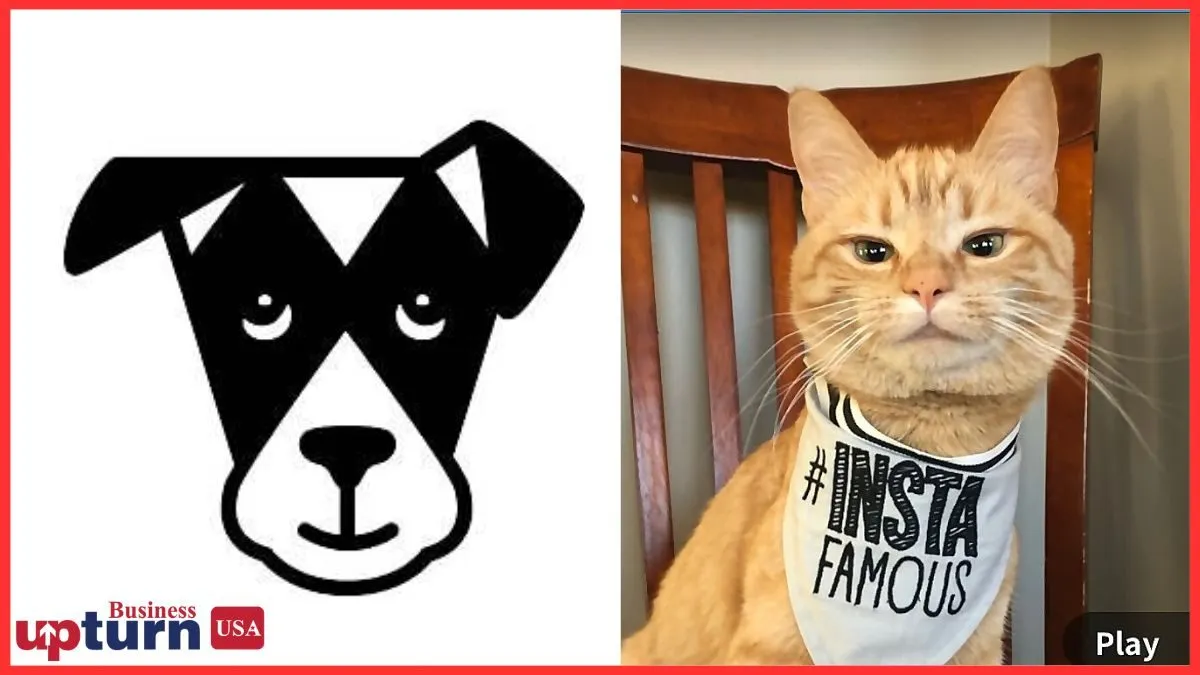
In the fast-evolving world of social media, pets have emerged as influential personalities with lucrative business potential. Two U.S.-based pet influencers, The Dogist and The Cat Named Carrot, exemplify how animals can be transformed into thriving brands. While The Dogist began as a dog photography account capturing candid street dogs, The Cat Named Carrot has built a devoted following with engaging cat-centric content. Both influencers have turned their online presence into revenue-generating powerhouses, but their business models differ in strategy, scope, and monetization techniques. This article dives into their income sources, marketing strategies, and overall business models, offering a detailed comparison for anyone curious about the pet influencer economy in the USA.

The Dogist Business Model: How One Photographer Turned Dogs Into a Thriving Brand
The Dogist, founded by photographer Elias Weiss Friedman, started as a simple Instagram account featuring portraits of dogs in New York City. Over the years, it has evolved into a multi-dimensional brand, leveraging high-quality photography to build a loyal audience. The Dogist business model relies heavily on content-driven monetization, combining social media sponsorships, merchandise sales, photography services, and book publishing.
Friedman has successfully positioned The Dogist as a lifestyle brand, offering a mix of visual storytelling and merchandise that appeals to dog lovers. His Instagram following, which reaches millions, serves as a prime platform for sponsored content, attracting pet brands, lifestyle companies, and consumer goods partners. This strategic alignment allows The Dogist to maintain authenticity while generating substantial income from partnerships.
Key Income Sources for The Dogist
Social media monetization is a primary revenue stream for The Dogist. Sponsored posts on Instagram, often featuring collaborations with pet product brands or lifestyle companies, generate significant income. Brands benefit from The Dogist’s highly engaged audience, which values authenticity and visually appealing content. Each post acts as both advertising and entertainment, seamlessly integrating marketing with storytelling.
Merchandise and book sales further bolster The Dogist income. Branded apparel, calendars, and accessories, as well as photography books like “The Dogist: Photographic Encounters with 1,000 Dogs,” provide direct-to-consumer revenue. Additionally, Friedman occasionally conducts workshops and photography services, offering aspiring pet photographers insights into his craft. This combination of digital and physical products exemplifies a diversified and sustainable pet influencer business strategy.
The Cat Named Carrot Business Model: From Instagram Fame to Monetized Cat Personality
The Cat Named Carrot has become a celebrated feline influencer, captivating audiences with playful antics and charming personality-driven content. The Cat Named Carrot income stems from a slightly different approach compared to The Dogist, focusing more on character branding and audience engagement than photography alone. By cultivating a relatable and entertaining persona, Carrot has expanded revenue streams to include sponsored content, merchandise, and virtual appearances.
Carrot’s business strategy emphasizes building an emotional connection with fans. This approach has attracted partnerships with pet food brands, cat accessories, and lifestyle companies. By fostering a highly interactive community, Carrot maximizes engagement metrics that are crucial for securing brand collaborations. Social media presence across Instagram, TikTok, and YouTube also amplifies reach, creating multiple monetization opportunities in a competitive pet influencer market.
How The Cat Named Carrot Generates Revenue
The Cat Named Carrot income is driven primarily through sponsored content. Brands pay for posts and videos that showcase Carrot in engaging, relatable scenarios, often incorporating products naturally into content. This strategy ensures that promotions feel organic, maintaining trust with followers while delivering measurable returns to partners.
In addition to sponsorships, merchandise income contributes to the revenue mix. Branded apparel, plush toys, and limited-edition items allow fans to participate in Carrot’s brand ecosystem. Virtual appearances, collaborations with other pet influencers, and occasional media features provide additional income channels. By leveraging Carrot’s strong personality and online presence, this model demonstrates how character-focused branding can translate into sustainable financial success.
Comparing the Business Models: Dogs vs Cats in Influencer Economy
When comparing The Dogist business model and The Cat Named Carrot income strategies, several similarities and differences emerge. Both influencers rely heavily on social media monetization and brand collaborations, but their approach to content and audience engagement differs. The Dogist leverages high-quality photography to appeal to aesthetic sensibilities, whereas Carrot uses personality-driven content to build emotional bonds.
Scalability also varies. The Dogist’s model allows expansion through books, merchandise, and photography workshops, offering diversified income sources that complement social media earnings. Carrot’s model thrives on virality and character branding, which encourages direct fan engagement and limited-edition merchandise drops. Both approaches demonstrate the adaptability and innovation required for pet influencer revenue USA but cater to different audience psychology.
Unique Insights and Future Growth Opportunities
An intriguing trend in the pet influencer business is the increasing integration of fan-driven content. Both The Dogist and Carrot leverage community-generated material to maintain engagement, but future monetization could involve subscription-based content, NFTs, or interactive experiences. This would allow fans to feel more connected while opening additional revenue streams.
Another noteworthy insight is the potential for cross-platform branding. While The Dogist emphasizes Instagram and book publishing, The Cat Named Carrot is already capitalizing on short-form video platforms like TikTok. By strategically expanding content to new channels, both influencers can future-proof their income streams, ensuring continued relevance and growth in the competitive U.S. pet influencer landscape.
Conclusion: Tailoring Pet Influence Into Profitable Brands
The Dogist and The Cat Named Carrot showcase two distinct yet highly effective approaches to monetizing pet fame in the USA. The Dogist business model highlights the power of visual storytelling and diversified products, while The Cat Named Carrot income strategy demonstrates the value of personality-driven content and fan engagement. Both models underscore the dynamic potential of pet influencer revenue USA, offering insights for aspiring pet entrepreneurs and marketing professionals alike.
Through social media sponsorships, merchandise income, brand collaborations, and creative engagement strategies, these pet influencers have successfully transformed their furry charm into sustainable business ventures. As the pet influencer industry continues to evolve, their strategies offer valuable lessons on innovation, audience connection, and the future of pet-centric entrepreneurship.
This article is intended solely for informational and editorial purposes. It does not constitute endorsement or promotion of any artificial intelligence technology. Business Upturn makes no representations or warranties regarding the accuracy, completeness, or reliability of the information provided.