

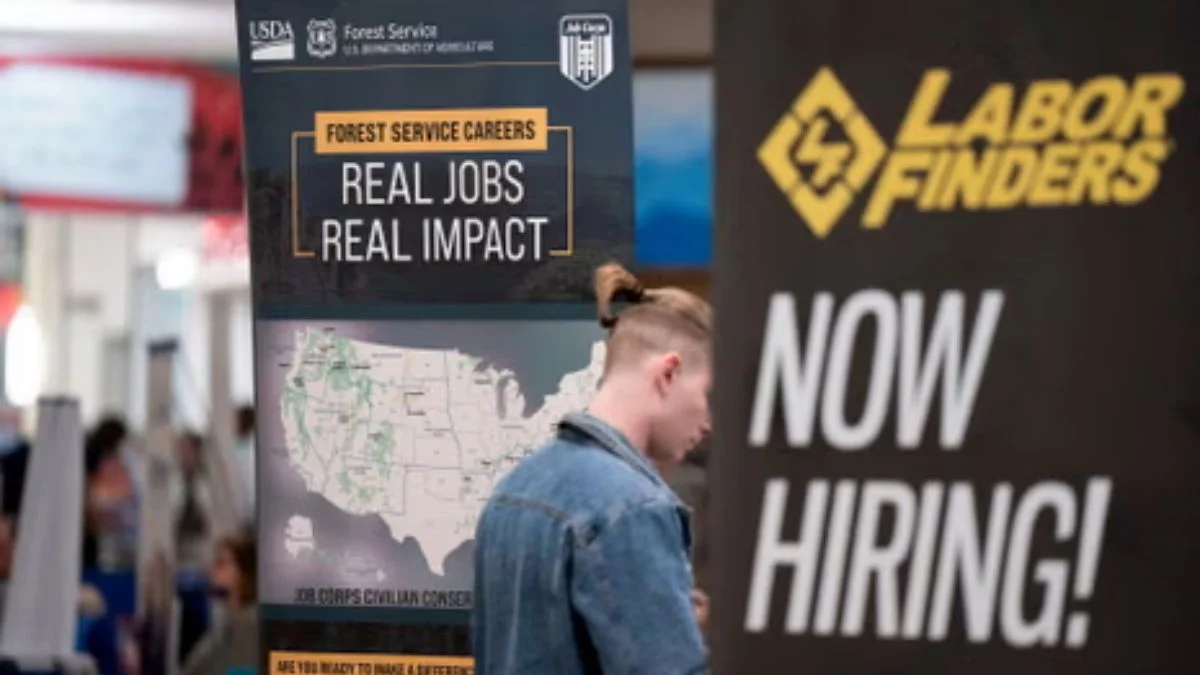
Large companies are still laying off workers as 2026 begins. The wave of job cuts that defined 2025 has not slowed down. Banks and tech firms are reducing staff to cut costs and reshape their businesses.
Many companies are also shifting money toward areas they see as more important. Artificial intelligence and alternative investments are at the top of that list.
Citigroup is moving faster with its cost cutting plans. The bank is preparing to cut around 1,000 jobs this week. This is part of a larger plan led by CEO Jane Fraser.
Citigroup announced two years ago that it wants to cut 20,000 jobs by the end of 2026. At the end of September, the bank had about 227,000 employees.
Under Fraser, Citigroup has pulled back from many overseas retail banking operations. It has also reorganized its core businesses to simplify how the bank runs.
The company said it will continue reducing staff in 2026. It explained that these changes are meant to match current business needs. Technology has also helped the bank operate with fewer people.
Citigroup’s finance chief has said total headcount could fall to around 180,000 by the end of 2026. That number includes about 40,000 workers expected to leave when the bank lists its Mexican unit Banamex.
More job cuts are still needed to reach that target. Despite the layoffs, Citigroup shares rose 66% last year and outperformed many other big US banks.
Meta is also planning job cuts. Around 10% of staff in its Reality Labs division may be laid off. That unit has about 15,000 employees.
Reality Labs works on virtual reality hardware and metaverse projects. The cuts are expected to hit teams working on VR headsets and a virtual reality social platform.
Meta’s technology chief has called an important internal meeting, though details remain unclear. The move reflects CEO Mark Zuckerberg’s focus on artificial intelligence.
Meta is spending heavily on AI research and data centers. At the same time, it is scaling back some of its metaverse ambitions.
The company has spent tens of billions of dollars on virtual reality since buying Oculus in 2014. Consumer interest has remained limited.
Last month, Meta said it was shifting some investment away from the metaverse and toward AI powered glasses.
BlackRock is also trimming its workforce. The asset management giant is cutting about 250 jobs. That is roughly 1% of its global staff.
The cuts affect both investment and sales teams. They come as BlackRock continues to reshape its business.
The firm recently bought private credit company HPS Investment Partners for $12 billion. This shows its growing focus on alternative investments.
BlackRock made two similar rounds of cuts last year. Each removed about 1% of staff.
At the end of September, BlackRock had about 24,600 employees and managed around $13.5 trillion in assets.
Together, these announcements show a clear trend. Companies across finance and technology are still cutting jobs. Cost control and strategic shifts remain a priority in 2026.