

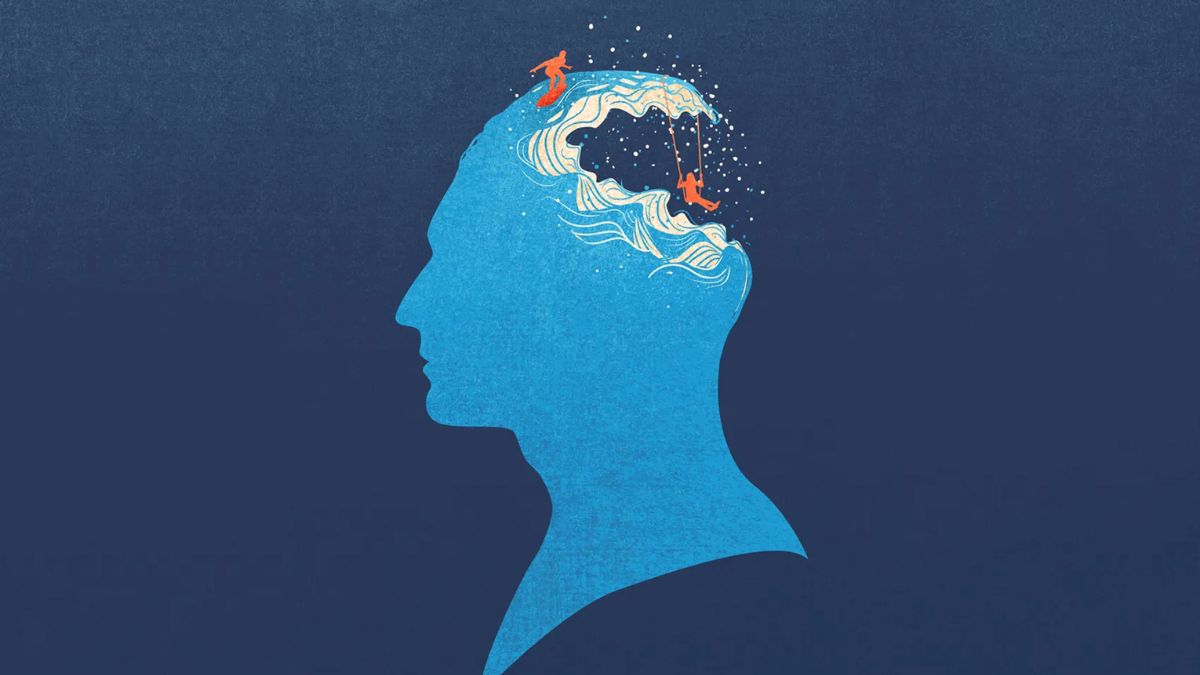
Avoiding the discomfort of change is something almost everyone does at some point in life. Change is rarely just about external shifts, it also brings emotional unease, uncertainty, and a temporary loss of stability. Because of this, the mind often tries to protect itself by staying where things feel familiar, even if that familiarity is no longer satisfying.
One of the main reasons people avoid discomfort during change is the brain’s natural preference for predictability. Familiar situations feel safe because they are known. Even if a current situation is not ideal, the mind can predict how it will feel, what will happen, and how to respond. Change removes that predictability, which creates internal resistance.
Another reason is emotional sensitivity to uncertainty. Change often comes with unanswered questions. What if things don’t work out, what if the decision is wrong, what if the outcome is worse than before. These thoughts create emotional tension, and to avoid that tension, people often delay or resist making changes altogether.
Comfort also plays a strong role. Even when a situation is not fulfilling, it can still provide routines, emotional patterns, or a sense of identity that feels stable. The discomfort of staying is often quieter than the discomfort of changing, so the mind chooses what feels less immediately threatening.
There is also the fear of temporary struggle. Change usually requires going through a transition phase where things feel uncertain or unstable. This in-between stage can feel uncomfortable because you are no longer fully in the old phase, but not yet settled into the new one. Many people avoid change specifically to escape this transitional discomfort.
Another layer is emotional attachment to identity. When change challenges how you see yourself, it can create inner resistance. For example, if you have always identified as someone who is stable, independent, or consistent, stepping into change may feel like losing that identity temporarily. This can make discomfort feel even more intense.
Avoidance can also come from past experiences. If previous changes led to stress, failure, or emotional difficulty, the mind remembers that pain and becomes more cautious in the future. It begins to associate change itself with discomfort, even when the new situation might actually be better.
The problem with avoiding discomfort is that it often delays necessary growth. While it provides short-term relief, it can create long-term stagnation. Life continues to evolve whether a person participates in that change or not, and resisting it too long can lead to feelings of being stuck or disconnected from oneself.
What makes change easier over time is not removing discomfort completely, but learning to tolerate it. Discomfort is not a sign that something is wrong; it is often a sign that something unfamiliar is being integrated. Every meaningful shift in life carries some level of emotional unease in the beginning.
When a person starts allowing discomfort instead of immediately avoiding it, something slowly changes. The fear becomes less overwhelming, and the unknown becomes less threatening. Action begins to feel more natural than resistance. Even small steps toward change start reducing the emotional weight of it.
In the end, avoiding the discomfort of change is a natural human response, but staying in that pattern too long can limit growth. Change always carries a certain level of unease, but so does staying exactly the same. The difference is that one leads to expansion, and the other often leads to repetition.