

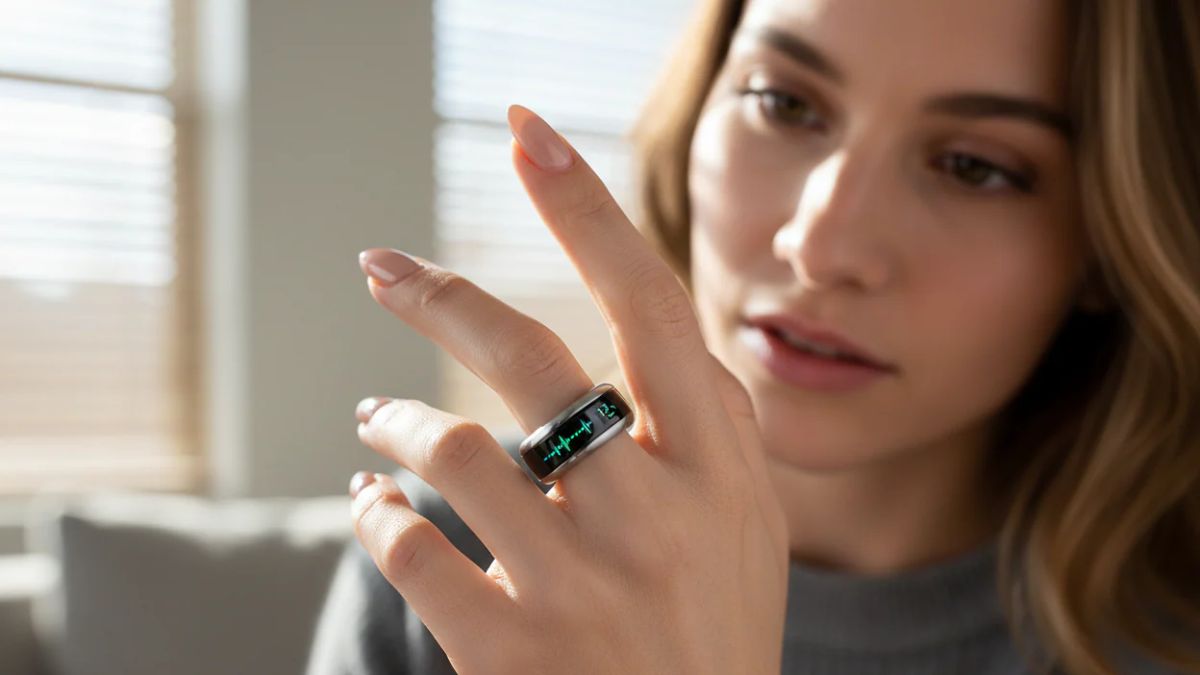
AI sleep analytics are providing a new level of insight into how our nightly recovery directly impacts our mental clarity and emotional resilience. In 2026 researchers at Stanford have introduced a foundation model called SleepFM which can predict over one hundred health conditions including mental disorders and dementia from just a single night of sleep data. By analyzing multiple streams of information such as brain activity and heart rhythms at the same time the AI can spot subtle signs of distress that humans might miss. This technology makes it possible to see exactly how a poor night of rest leads to the mental fog or irritability that can disrupt your productivity the following day.
One of the most valuable aspects of these analytics is their ability to serve as an early warning system for your cognitive health. Large scale studies are now using AI to monitor the sleep of students and workers to flag the first signs of emotional duress before they escalate into more serious problems. By looking at “sleep age”—a metric that compares your sleep patterns to those of others—the AI can provide an objective measure of how well your brain is aging and recovering. If the software notices that your brain activity looks fatigued even when you think you are resting it can suggest immediate changes to your routine to restore your focus.
These tools also help you understand the “bidirectional relationship” between your mood and your rest. AI can correlate your digital habits—such as the tone of your messages or your physical movement during the day—with the quality of your deep sleep stages. This allows for a much more personalized approach to mental wellness because you can see the clear data on how a stressful workday or a lack of exercise specifically triggers your own sleep disturbances. In 2026 therapists and wellness coaches are increasingly using this passive data to help people build “just in time” interventions that protect their mental clarity during high pressure weeks.
Ultimately using AI for sleep analytics transforms the mysterious hours of the night into a strategic asset for your mind. By providing a clear and accurate sleep score based on clinical grade data the technology helps you prioritize the recovery your brain needs for complex problem solving and creativity. This shift toward high precision tracking ensures that you aren’t just sleeping more but sleeping better to support your long term mental performance. As these models continue to learn from millions of hours of rest they are becoming a reliable guide for anyone looking to maintain a sharp and balanced mind in a fast paced world.