

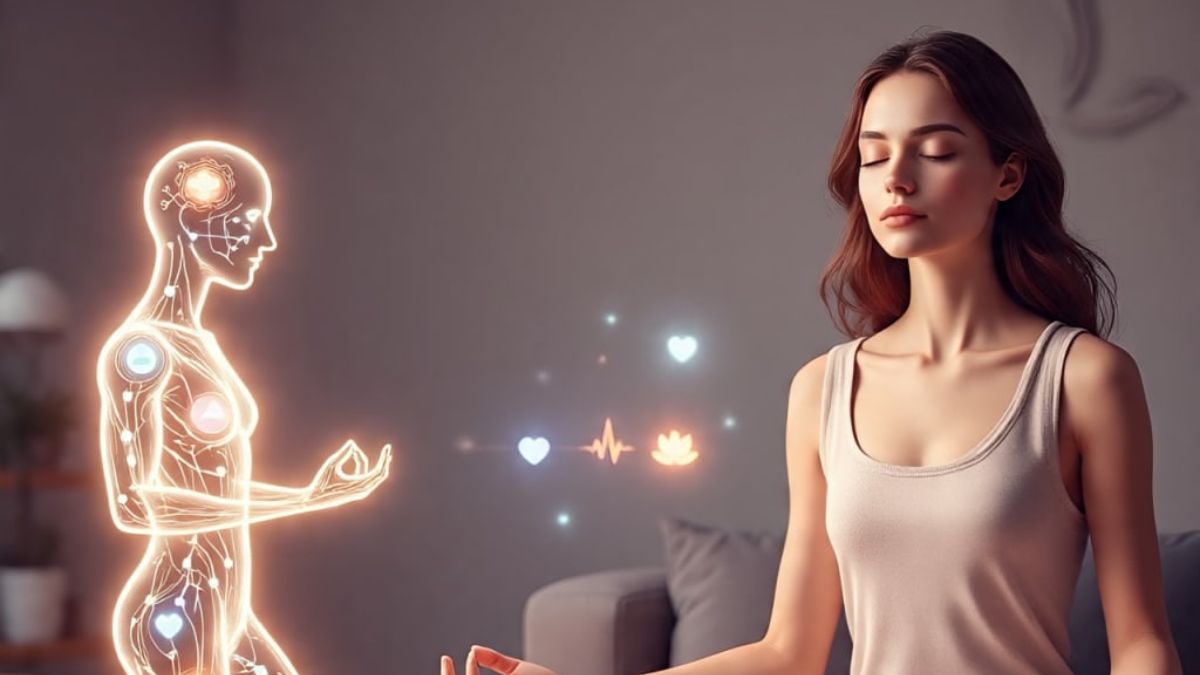
AI micro-coaching is emerging in 2026 as a sophisticated solution to the “afternoon slump,” a period typically between 1:00 PM and 3:00 PM when circadian rhythms naturally dip and focus begins to fade. Unlike traditional productivity advice, these AI systems use “in-the-flow” support to provide real-time interventions based on your immediate physiological and behavioral data. By integrating with wearables and desktop software, the AI acts as a digital energy manager, identifying the precise onset of lethargy and suggesting specific, five-minute actions to restore your cognitive clarity without the need for additional caffeine.
The latest 2026 wearables, including the Luna Band and the Dreame AI Haptic Ring, are central to this coaching by monitoring “continuous biomarkers” like heart rate variability and core body temperature. When the AI detects a “stress surge” or a drop in physical readiness, it can deliver a subtle haptic nudge or a voice-led guidance session through Siri-integrated LifeOS. These devices are designed to be “invisible interfaces,” looking like normal jewelry while quietly tracking your focus. This allows the AI to recommend a proactive “micro-rest”—such as a brief walk in the sun to reset your internal clock or a specific breathing pattern—exactly when your body is most resilient to a quick recovery.
On the software side, AI productivity tools like Motion and Zapier Agents are now being used to reorganize your workday around these predicted energy slumps. Motion uses AI to automatically reschedule lower-priority tasks or administrative “click work” to your tired afternoon hours, protecting your high-energy morning windows for deep creative work. Meanwhile, new voice-to-text tools like Wisprflow allow you to keep moving on projects even when your typing speed slows down, turning a potential period of stagnation into a productive “sprint.” These tools recognize that energy is a finite resource and use algorithmic scheduling to ensure you are never forcing a difficult task during a biological dip.
Ultimately, AI micro-coaching is about moving away from “always-on” optimization and toward a more balanced, “N-of-1” employee experience. By 2026, many organizations are adopting these tools to help managers coach their teams in the moment, rather than relying on annual reviews. This ensures that every individual has a personalized “energy-aware” plan that accounts for their unique metabolism and workload. By providing the right intervention at the right time—whether it’s a suggestion for collaborative work to boost motivation or a reminder to hydrate—AI is helping professionals maintain a steady level of performance while protecting their long-term mental and physical well-being.