

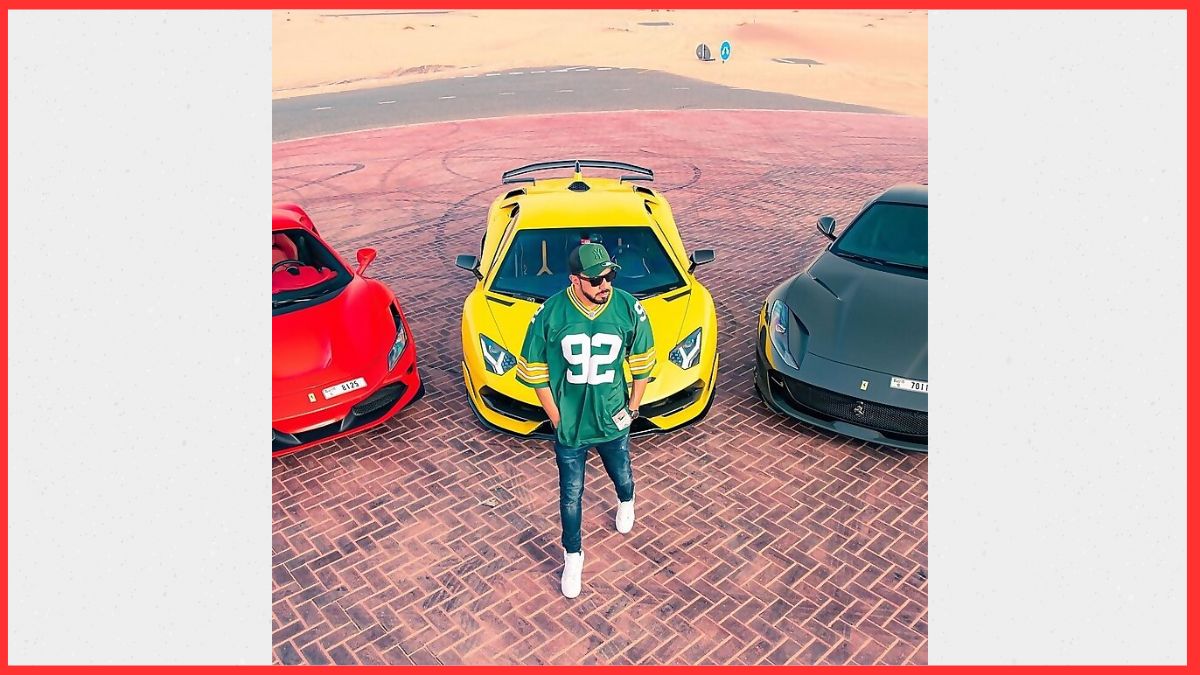
Luxury influencers operate at the intersection of aspirational content and high-margin brand partnerships. Ibrahim Assad has emerged as a niche digital creator focused on luxury lifestyle storytelling, with content typically centred on premium travel, high-end fashion, and curated experiences. While publicly available verified financial disclosures are limited—as is standard across the influencer economy—his observable monetization channels align with established industry practices among U.S.-facing luxury creators.
Core Revenue Streams Powering Ibrahim Assad’s Brand
Sponsored Brand Partnerships
The primary revenue engine for luxury influencers like Ibrahim Assad is sponsored content. Luxury brands in sectors such as fashion, hospitality, and automotive allocate significant marketing budgets toward influencer campaigns targeting affluent audiences. In the U.S. market, sponsored posts for mid-to-high tier luxury influencers typically range from $5,000 to $50,000 per campaign depending on audience size, engagement rate, and exclusivity terms. Assad’s content positioning suggests alignment with premium brands seeking polished visual storytelling and brand-safe messaging.
Affiliate Marketing and Performance-Based Earnings
Affiliate marketing offers a scalable income stream tied directly to conversions. Through affiliate links embedded in social media bios or swipe-up features, influencers earn commissions—typically between 5% and 20%—on luxury goods and services. While luxury purchases have longer decision cycles, their high average order value makes this model particularly lucrative in the U.S. e-commerce ecosystem.
Platform Monetization and Ad Revenue
Digital platforms such as Instagram, YouTube, and TikTok provide additional monetization layers. While Instagram’s direct payouts remain limited, YouTube ad revenue can generate between $3 to $10 per 1,000 monetized views in the U.S., depending on niche and audience demographics. If Assad maintains a video content presence, this represents a supplementary but consistent income stream.
Business Model Expansion Beyond Social Media
Brand Collaborations and Capsule Collections
Luxury influencers often extend their monetization through co-branded product launches. These collaborations—ranging from limited-edition fashion pieces to curated travel experiences—typically involve revenue-sharing agreements. For creators with strong audience trust, conversion rates in such campaigns can outperform traditional sponsored posts.
Consulting and Creative Direction
As luxury influencers build expertise in visual branding and audience engagement, many transition into consulting roles. Brands pay for strategic input on campaign direction, social media aesthetics, and influencer marketing strategy. In the U.S., consulting fees for experienced digital creators can range from $2,000 to $10,000 per project.
Audience Economics and Positioning Strategy
A defining factor in Ibrahim Assad’s earning potential is audience quality rather than sheer volume. Luxury brands prioritize high-income demographics, engagement authenticity, and geographic relevance—particularly U.S.-based audiences with purchasing power. This allows influencers with smaller but premium audiences to command higher rates per engagement compared to mass-market creators.
The Bottom Line: A Multi-Channel Monetization Engine
Ibrahim Assad’s business model reflects a diversified, performance-oriented approach typical of modern luxury influencers. By combining brand partnerships, affiliate income, platform monetization, and strategic collaborations, he operates within a high-margin ecosystem driven by audience trust and aspirational positioning. For U.S. brands, this model delivers measurable ROI, while for the influencer, it creates a scalable and resilient income structure rooted in premium digital storytelling.