

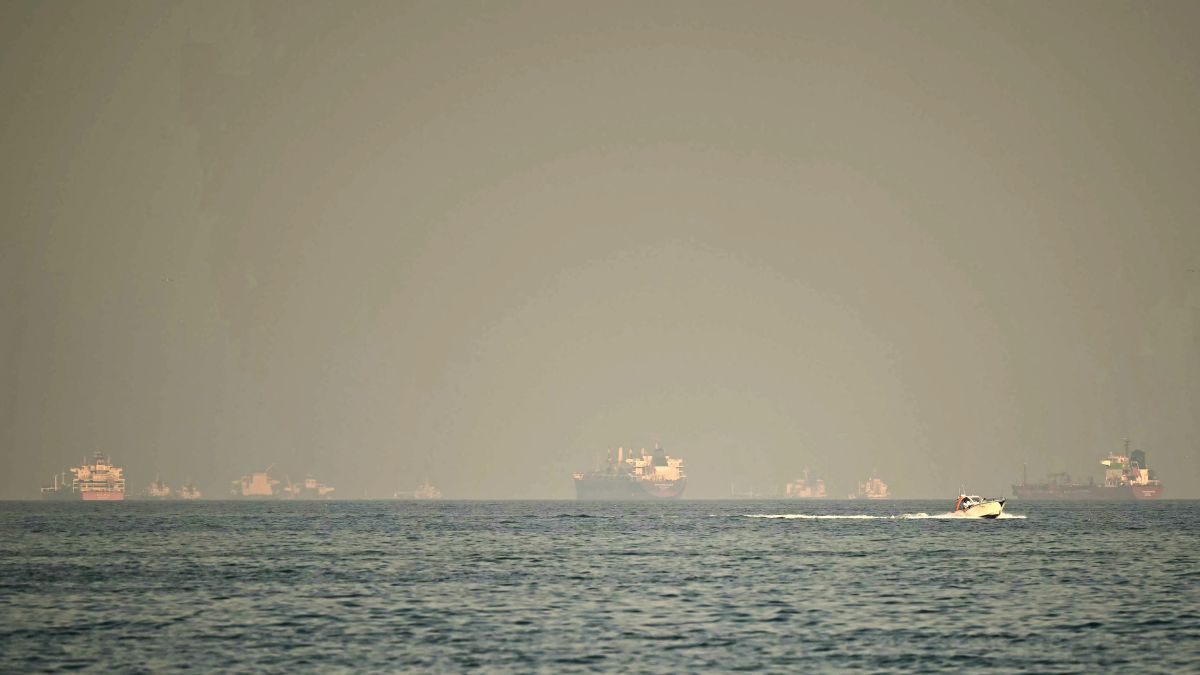
The United States and Israel have stepped up military action against Iran in an effort to force the reopening of the Strait of Hormuz. Reports indicate that airstrikes have targeted Iran’s Kharg Island, a key hub for nearly 90% of the country’s oil exports. This comes as President Donald Trump sets a firm deadline for Iran to comply with U.S. demands or face further action.
US and Israel military strikes on Iran target Kharg Island
Recent reports confirm that U.S. and Israeli forces carried out targeted strikes on Kharg Island. The island is critical for Iran’s oil export capacity, and damage to its facilities could severely disrupt global crude flows. Analysts say the attacks directly threaten the shipping of around 20% of the world’s oil that passes through the Strait of Hormuz. Iran has rejected U.S. ceasefire terms and demanded broader conditions, escalating the risk of conflict.
Strait of Hormuz closure risks global oil prices
The Strait of Hormuz is one of the world’s most important maritime chokepoints. Any blockage or disruption from Iran could push oil prices even higher. Currently, WTI crude is above $115 per barrel and Brent is trading above $110, reflecting both logistical constraints and fears of production losses. Energy market analysts warn that sustained closures or reduced exports could destabilize global supply chains and intensify inflationary pressures.
Trump’s deadline intensifies Iran tensions
President Trump has repeatedly warned Iran that failure to comply with the Strait of Hormuz deadline could result in the country being “taken out.” The U.S. has emphasized that critical infrastructure, including power plants and bridges, could be targeted. Israel has echoed these warnings, signaling that military action will continue if Iran does not meet demands. The deadline has heightened global attention, making every hour crucial in this escalating crisis.
Global markets react to Strait of Hormuz threat
Financial markets are responding to the heightened risk. Commodities such as crude oil, natural gas, and gold have surged, while equities sensitive to global risk sentiment have experienced volatility. Investors are moving toward safe-haven assets as geopolitical uncertainty rises. Analysts note that any further escalation around the Strait of Hormuz could have long-term economic consequences, particularly for oil-importing nations.
Diplomatic efforts and potential cease-fire
Despite military pressure, diplomatic channels remain active. Mediators from Pakistan and other countries have proposed temporary ceasefire terms, but Iran has demanded permanent security guarantees and broader concessions. Experts say the coming hours are critical, as Tehran’s response will determine whether the Strait of Hormuz reopens or the region faces deeper escalation.
The combined military, diplomatic, and economic pressures make the Strait of Hormuz a focal point for global attention. The next few days will be pivotal in shaping energy security, market stability, and regional geopolitical outcomes.