

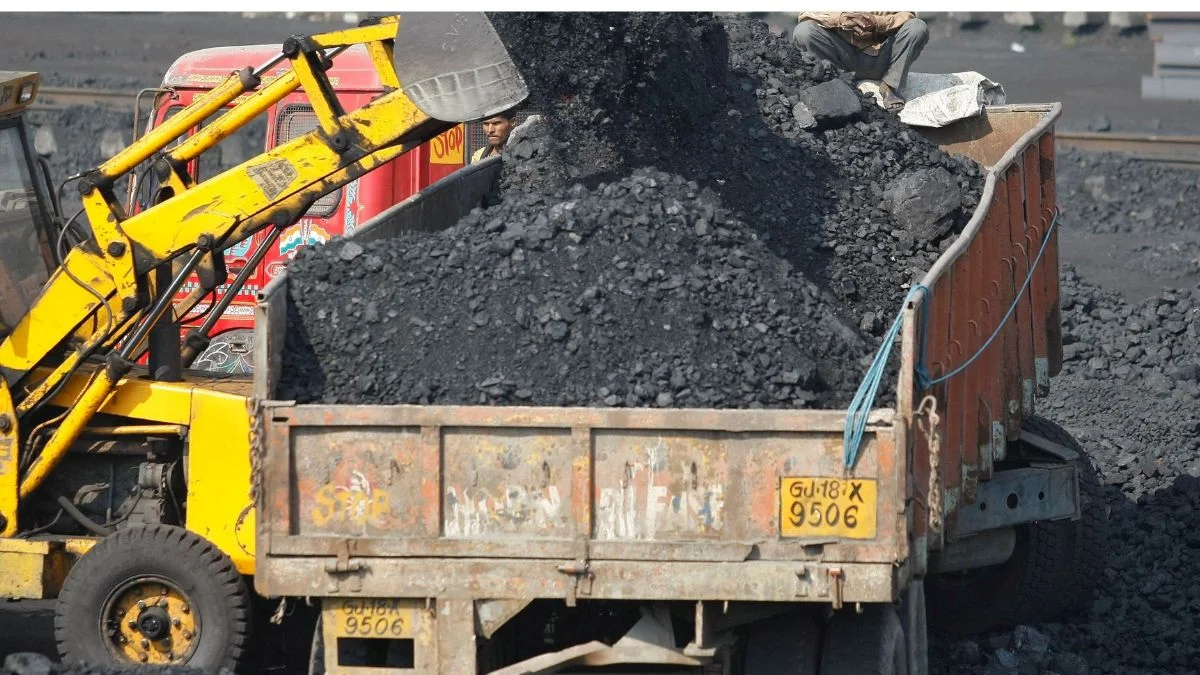
India has once again achieved the landmark of 1 billion tonnes (BT) of coal production, recording this feat for the second consecutive year as of 20 March 2026, reinforcing the nation’s energy self‑reliance and trade resilience. The milestone is expected to deliver a marked downturn in thermal coal imports, saving foreign exchange and tightening the nation’s trade balance.
Domestic production levels have remained elevated, backed by sustained policy support, efficient coordination among coal producers and an uninterrupted supply chain to power plants across the country. Stocks at coal‑based thermal power stations were recorded at over 50 million tonnes, about 17.4 % higher than the previous year, helping utilities reduce dependence on imported coal blending by over 54 %.
The surge of domestic output has already contributed to a decline in India’s coal imports. In Fiscal Year (FY) 2024‑25, coal imports fell by approximately 7.9 % to 243.62 million tonnes from 264.53 million tonnes the previous year, yielding an estimated foreign exchange savings nearing $8 billion (₹60,681 crore).
The reduction in imports plays directly into India’s broader strategy of safeguarding its trade balance and economic sovereignty. Historically, India has imported thermal coal to meet energy and blending requirements, drawing supplies from countries like Indonesia, South Africa and Australia. But with internal output rising close to the billion‑tonne mark, reliance on overseas markets — with their volatile pricing — has eased, protecting India from global commodity shocks and reducing import bills.
Coal remains the backbone of India’s electricity sector, accounting for roughly 74.5 % of generation in FY 2024‑25. As such, greater use of domestic coal also eases pressure on foreign exchange reserves that would otherwise be impacted by import payments for fuel.
Government initiatives promoting commercial mining, regulatory reforms, e‑auction reforms (Coal SETU) and targeted incentives continue to lower barriers to enhanced output and help further import substitution.
Economists argue that reducing non‑essential thermal coal imports at scale will allow more favorable terms of trade and frees up foreign exchange for other critical imports like high‑grade coking coal for steel production, which India still sources externally due to domestic shortfalls.
By solidifying energy security and trimming import dependence, India’s coal sector achievement not only fuels its internal growth engines, but also supports a healthier balance of payments and macroeconomic sustainability.