
The United States’ military action in Venezuela and the abduction of President Nicolás Maduro have reverberated far beyond Latin America, reshaping diplomatic calculations across multiple regions. The operation, which resulted in significant casualties in Caracas and prompted immediate global reactions, drew condemnation from several governments outside the Western bloc and intensified debate over sovereignty, intervention, and control of strategic resources. For countries across the Middle East, North Africa, and Europe, the episode has underscored how quickly geopolitical balances can shift when military power is deployed to secure political and economic objectives, particularly in energy‑rich states.
Algeria’s Low‑Profile Response to the US Abduction of Venezuela’s President
Against this turbulent backdrop, Algeria’s response has been defined by caution and near silence, a stance that stands out given its long‑standing alliance with Caracas. While traditional Venezuelan partners such as China, Russia, and Iran publicly condemned the US action as illegal and contrary to international norms, Algiers issued no official statement and its domestic media reported the event in restrained terms. This low‑profile posture contrasts with seven decades of close diplomatic ties between Algeria and Venezuela, rooted in shared membership of Opec and the Non‑Aligned Movement, as well as a history of cooperation on South‑South diplomacy and hydrocarbon price stabilization.
The current state of Algeria’s foreign policy reflects a recalibration shaped by its evolving relationship with Washington. According to geopolitical researcher Adlene Mohammedi in an interview with Middle East Eye, Algeria has shown significant restraint because the United States has become both an economic and security partner. The US is now Algeria’s leading source of foreign direct investment, accounting for 29 percent of total inflows, largely concentrated in the energy sector, while also relying on Algiers for regional security cooperation in the Sahel. This convergence has continued even as Algeria maintains historical positions on issues such as Palestine, highlighting the practical constraints influencing its diplomatic choices.
Oil Market Fears and Algeria’s Strategic Vulnerability After Venezuela
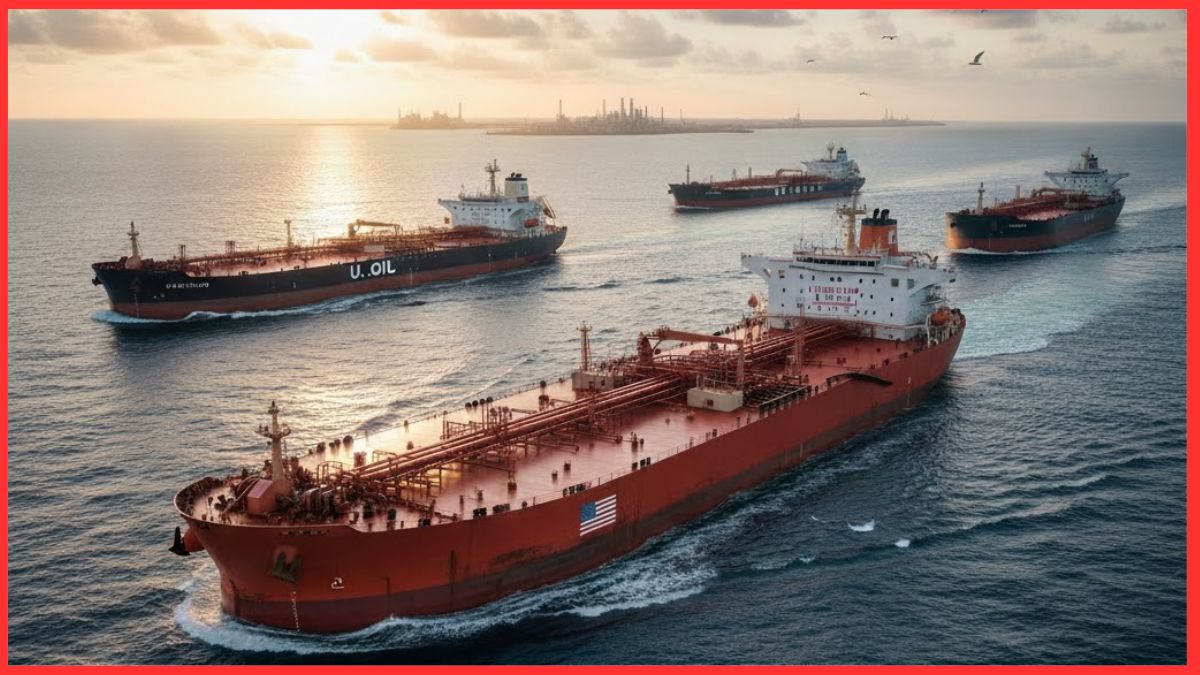
Beyond diplomacy, concerns over oil markets have reinforced Algeria’s caution. Analysts, have linked the US move in Venezuela to broader ambitions to influence global oil supply and Opec’s internal balance. For hydrocarbon‑dependent producers like Algeria, where energy accounts for a significant share of GDP and export revenues, the prospect of US‑controlled Venezuelan production raises fears of price volatility and diminished leverage within Opec. In this context, Algeria’s muted reaction reflects not indifference, but an attempt to navigate a period of heightened uncertainty while safeguarding economic stability and strategic partnerships.