
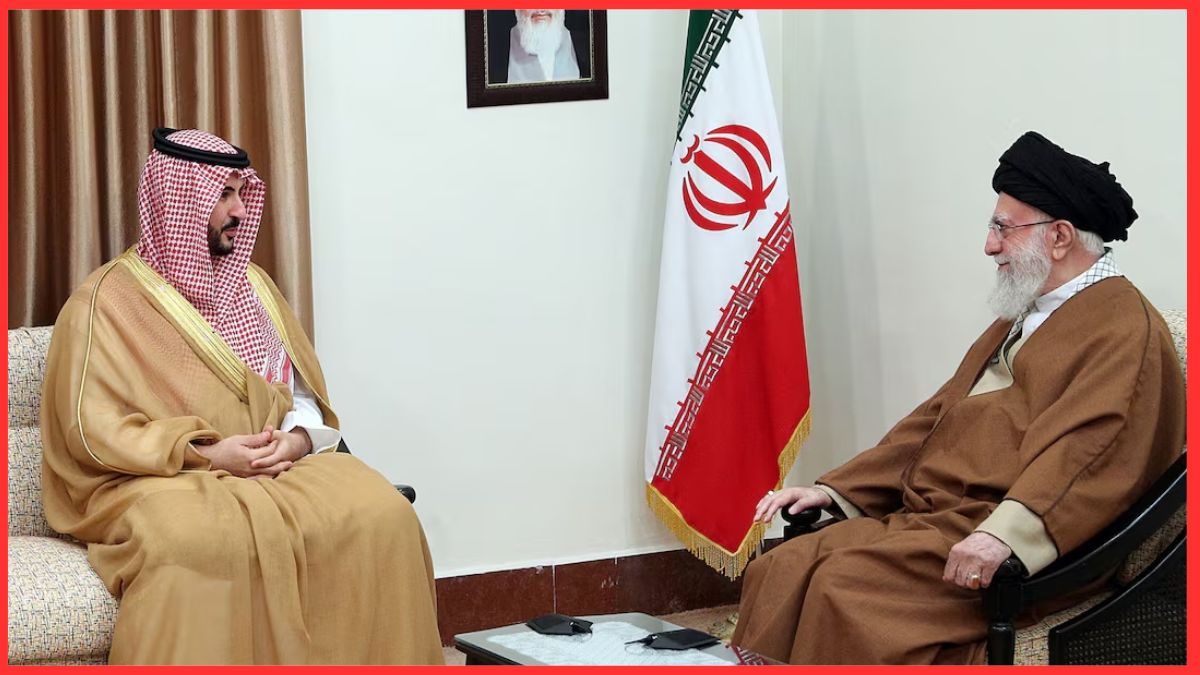
The United States is intensifying diplomatic efforts to persuade Saudi Arabia to align with potential military action against Iran, according to multiple officials familiar with the discussions. During a high-profile visit to Washington by Saudi Defense Minister Prince Khalid bin Salman, the Trump administration is expected to outline how limited military strikes could, in its assessment, reduce Iran’s regional influence, particularly through proxy groups and its ballistic missile capabilities. A US official briefed on the talking points said the meetings would also emphasize Washington’s long-term security commitments to Riyadh. However, Arab officials familiar with regional diplomacy described a disconnect between Washington’s approach and that of key Middle Eastern partners, noting that Saudi Arabia, along with Oman, Qatar, and Turkey, continues to advocate for negotiations rather than escalation. Axios first reported the Washington visit, which coincided with the presence of Israel’s military intelligence chief, underscoring the broader strategic context of the talks.
Diverging Regional Calculations and the Risks of Escalation
Military Buildup, Energy Markets, and Gulf Reluctance
Despite the diplomatic push, regional resistance remains significant. Arab officials told Middle East Eye that Gulf governments view a new conflict with Iran as destabilizing and difficult to control, particularly given recent efforts to stabilize relations with Tehran. Analysts cited by the outlet assessed that Gulf states believe they currently hold greater leverage over Iran following Israeli and US strikes in June 2025, and fear that further attacks could produce an unpredictable power vacuum or strengthen hardline elements within Iran. Saudi Arabia and the United Arab Emirates have publicly stated they would not permit their airspace or territory to be used for an attack on Iran, while Turkey has reportedly sought to mediate by proposing direct communication between Washington and Tehran.
At the same time, the United States has undertaken a substantial military buildup. The aircraft carrier Abraham Lincoln has been repositioned to the Middle East, accompanied by guided-missile destroyers and advanced aircraft, while additional THAAD and Patriot missile defense systems are being deployed. These developments have already reverberated through energy markets, with Brent crude rising nearly four percent amid Iranian announcements of live-fire drills in the Strait of Hormuz, a chokepoint for roughly one-fifth of global oil supplies.