

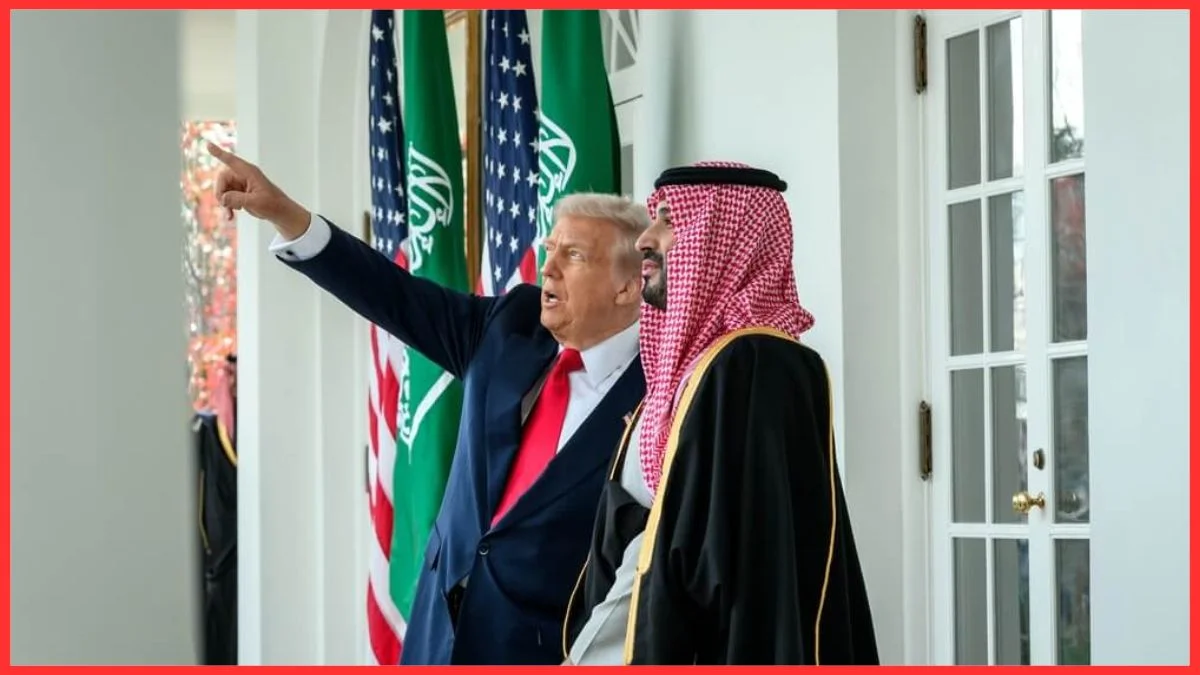
Nearly a decade after Washington was drawn into the Gulf crisis that pitted Qatar against its neighbors, the United States now finds itself watching a new and more complex rift unfold between Saudi Arabia and the United Arab Emirates, two of its most influential regional partners. The current dispute spans multiple theaters, from Yemen and Sudan to Libya and Washington itself, yet President Donald Trump has refrained from publicly backing either side. Former US officials told the publication that this restraint reflects lessons learned from 2017, when Trump openly criticized Qatar during the blockade led by Riyadh and Abu Dhabi. This time, despite Saudi strikes against UAE-backed Yemeni secessionists, competing proxy relationships in Sudan and Libya, and an increasingly hostile media and social media campaign, Trump has remained notably silent. Analysts attributed this to a combination of strategic calculation and personal business exposure across the Gulf, noting that Trump and his advisors now maintain financial ties in Saudi Arabia, the UAE, Qatar, and Oman, largely through projects linked to the Saudi developer Dar al-Arkan. With both Riyadh and Abu Dhabi offering massive investment pledges to the US economy and seeking to shape Trump’s perception of regional stability, officials and experts emphasized that openly favoring one side would undermine Washington’s broader interests in maintaining balance among its Gulf partners.
Investment Power, Regional Vision, and Why Trump Has Yet to Choose
The same reporting highlighted that Saudi Arabia and the UAE are advancing sharply different regional visions, with Riyadh positioning itself as a central leader of the Arab and Islamic worlds while Abu Dhabi pursues a global network of strategic partnerships, including close alignment with Israel. Former diplomats and intelligence officials interviewed by Middle East Eye assessed that Trump’s preference for stability, limited regional entanglement, and large-scale economic deals makes neutrality the most pragmatic course, even as intense behind-the-scenes lobbying continues. While Israel’s close relationship with the UAE provides Abu Dhabi with leverage in Washington, experts noted that Saudi Arabia’s larger economy, G20 status, and expanding defense ties with countries such as Pakistan and Turkey carry significant weight. As one former analyst explained, the administration appears determined to preserve strong relations with both capitals, concluding that the scale of investment and strategic stakes leaves little incentive for Trump to declare a favorite in the UAE–Saudi rivalry.