

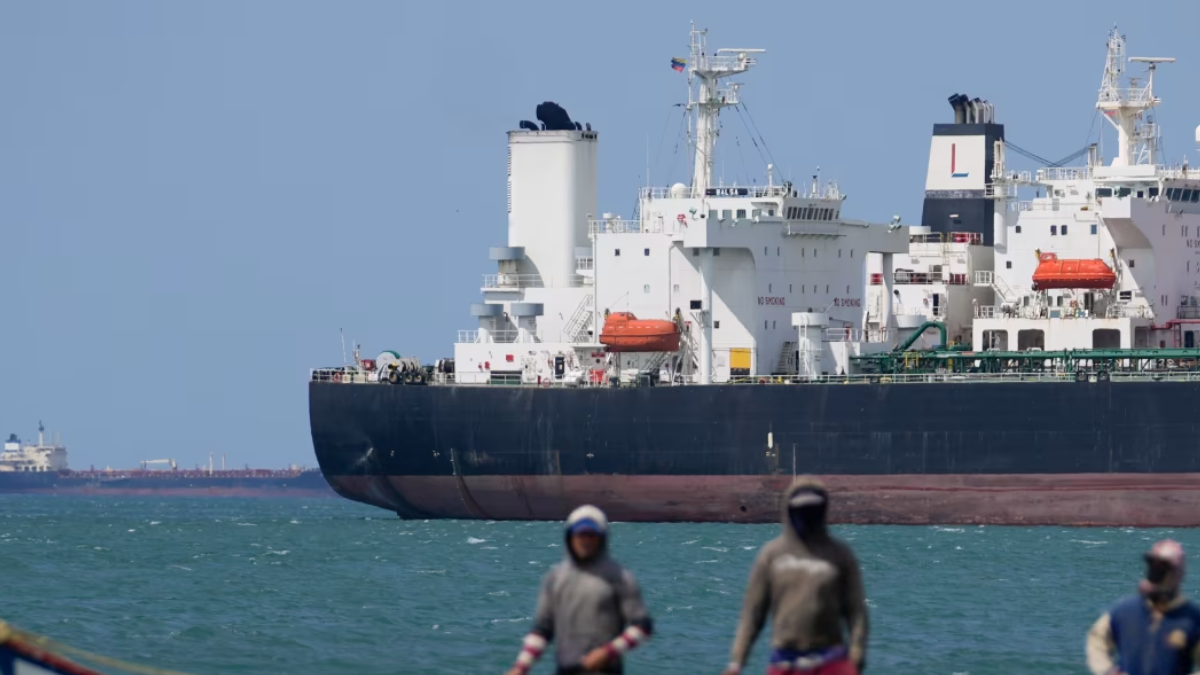
The recent indication that the United States is easing its stance on what has been described as an effective oil blockade against Cuba marks a significant shift in both legal posture and geopolitical signalling. This recalibration follows weeks of assertive rhetoric by Donald Trump, including suggestions of a potential takeover of Cuban territory. Such developments demand rigorous legal scrutiny, as they implicate core principles of international law, including sovereignty, non-intervention, and the prohibition on the use or threat of force. The transition from coercive posture to moderated policy reflects not only strategic reconsideration but also an implicit engagement with legal constraints that govern state conduct.
Economic Blockade and the Legal Limits of Sanctions
An oil blockade, even when not formally declared, constitutes a severe form of economic restriction that engages the framework of the United Nations Charter. While states retain the sovereign right to regulate their economic relations, international law draws a distinction between lawful sanctions and coercive measures that undermine the political independence of another state. The legality of such a blockade depends on multiple factors, including its intent, scale, and humanitarian impact. Measures that deprive a state of essential energy supplies may be interpreted as exerting undue pressure, particularly when imposed unilaterally without authorisation from the United Nations Security Council. In such cases, the blockade risks being characterised as an unlawful intervention, especially if it results in widespread civilian suffering. The decision to soften this stance suggests a recognition of these legal vulnerabilities, as continued enforcement could expose the United States to claims of violating established international norms.
Threats of Force and the Prohibition Under International Law
The earlier rhetoric suggesting a possible takeover of Cuba raises profound legal concerns under the prohibition on the threat of force. International law treats threats of force on the same footing as actual use of force, requiring that any such statements be justified under recognised exceptions such as self-defence. In the absence of an armed attack by Cuba or authorisation from the United Nations Security Council, any threat to invade or occupy Cuban territory would constitute a clear breach of the Charter. The principle of non-intervention further reinforces this prohibition, safeguarding the right of states to determine their internal affairs without external coercion. The apparent retreat from such rhetoric may therefore reflect an effort to realign policy with legal obligations and to avoid escalating tensions into a legally indefensible position.
Sovereignty and the Resilience of Small States
Cuba’s position in this scenario highlights the enduring relevance of sovereignty as a foundational principle of international law. Despite disparities in power, all states are entitled to territorial integrity and political independence. Attempts to impose regime change through economic or military means challenge this principle and risk undermining the broader legal order. The Caribbean region, with its history of external intervention, remains particularly sensitive to such developments. Any aggressive posture towards Cuba would not only affect bilateral relations but also reverberate across regional organisations and diplomatic alignments. By signalling a softer approach, the United States may be seeking to stabilise its regional relationships and reaffirm its commitment to lawful conduct.
Humanitarian Considerations and Civilian Impact
The humanitarian dimension of an oil blockade cannot be overlooked. Energy shortages have cascading effects on essential services, including healthcare, transportation, and food distribution. International law increasingly emphasises the need to consider the impact of state actions on civilian populations, even in the context of economic measures. While sanctions regimes often include provisions to mitigate humanitarian harm, the indirect effects of fuel restrictions can be severe and difficult to control. If such measures result in disproportionate suffering, they may be challenged as inconsistent with evolving human rights standards. The easing of the blockade may therefore reflect not only legal caution but also a recognition of the broader ethical implications.
Domestic Legal Authority and Policy Implementation
Within the United States, the authority to impose and adjust sanctions lies primarily with the executive branch, operating within a framework established by Congress. This framework grants significant discretion but also imposes limits designed to ensure accountability and compliance with domestic law. Any shift in policy must therefore be consistent with statutory requirements and may be subject to judicial review if contested. The interplay between executive action and legislative oversight remains a critical factor in shaping the legality and sustainability of foreign policy decisions.
Strategic Credibility and International Perception
The transition from aggressive rhetoric to moderated policy carries important implications for the credibility of the United States foreign policy. Consistency and adherence to legal norms are essential for maintaining trust among allies and for projecting stability in international relations. A move towards de-escalation may enhance the United States’ standing, particularly if it aligns with multilateral approaches and respect for international law. However, abrupt shifts may also raise questions about strategic coherence and long-term commitment.
Conclusion: Law as a Constraint on Power
The evolving United States approach to Cuba underscores the enduring influence of legal principles in shaping state behaviour. While power dynamics and strategic interests remain central to international relations, they operate within a framework that imposes limits and demands accountability. The softening of the oil blockade reflects a recalibration that acknowledges these constraints, illustrating the complex balance between coercion and compliance. In a global order increasingly defined by tension and uncertainty, adherence to international law remains a critical safeguard against escalation and instability.