

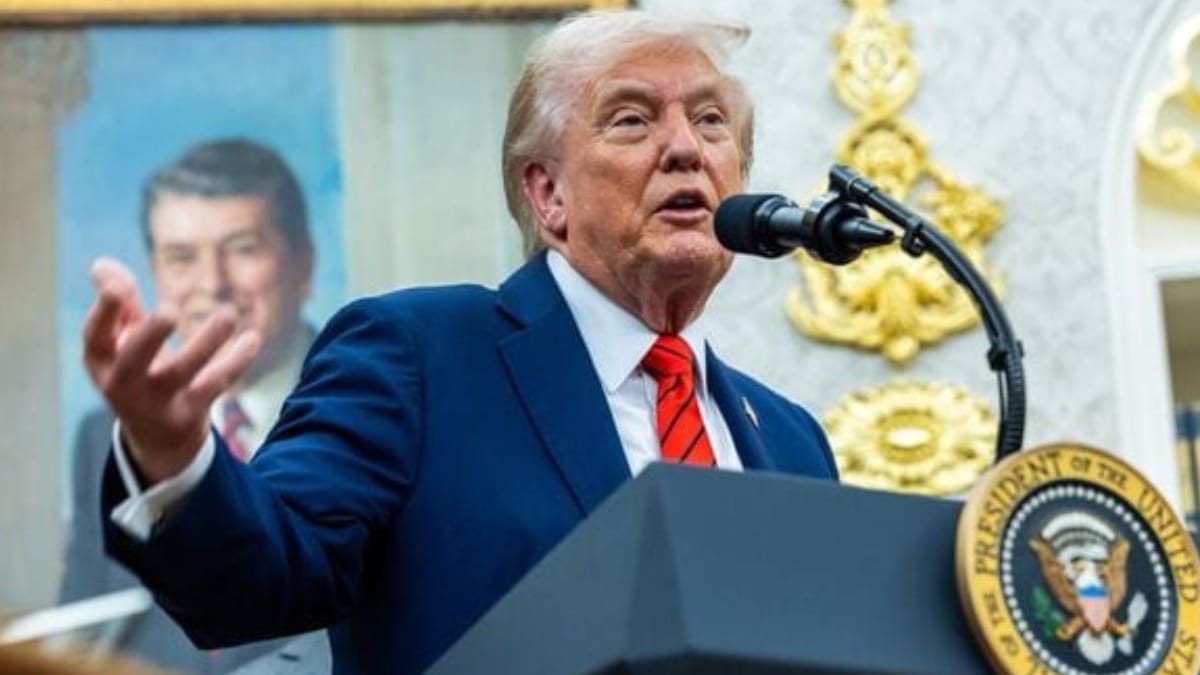
On 24th of January 2026, President Donald Trump warned he would impose a 100 percent tariff on Canadian goods if Canada proceeded with a pending trade arrangement with China, sharply raising tensions over North American trade policy and Beijing’s expanding economic influence.
Trump issued the threat while campaigning ahead of the US presidential election, accusing Canada of harming American economic interests by loosening trade barriers with China. He said greater Chinese market access in North America, especially in sensitive sectors such as electric vehicles, would “destroy American manufacturing” and weaken US supply chains.
The warning follows Canada’s announcement of a limited trade reset with China reached during high‑level talks in Beijing in mid‑January 2026. That arrangement includes reduced Chinese restrictions on Canadian agricultural exports, notably canola, and Canada’s decision to permit a capped number of Chinese‑made electric vehicles to enter its market at standard tariff rates.
Although the understanding does not amount to a free trade agreement, Trump described it as a strategic alignment with China and cautioned that any country facilitating Chinese industrial expansion would face severe trade consequences if he returns to office.
Evolving framework of trade relations:
Trade relations between the US and Canada have frequently been affected by protectionist disputes, despite the two countries’ close alliance and partnership under the USMCA framework. During Trump’s first term, the US imposed tariffs on steel and aluminium on national security grounds, prompting retaliatory measures from Ottawa.
Trump’s tough approach to China has been a hallmark of his economic policy since 2018, when his administration launched a broad trade confrontation with Beijing and imposed extensive tariffs on Chinese goods. Since then, Washington has regularly urged allies to curb economic cooperation with China, particularly in advanced manufacturing, clean technology and electric vehicles.
Canada’s ties with China have been strained since 2018 by diplomatic disputes and reciprocal trade restrictions. The January 2026 reset was widely seen as a pragmatic effort by Ottawa to stabilise agricultural exports and diversify trading partners amid growing global economic fragmentation.
Strategic implications
Trump’s tariff threat places Canada in a difficult position, requiring it to weigh economic engagement with China against the risk of retaliation from its largest trading partner. Analysts warn that a 100 per cent US tariff would severely disrupt Canadian exports, especially in manufacturing and agriculture.
No formal US trade measures have been announced. The warning nevertheless highlights that China‑related trade policy remains a contentious issue in North American politics and that Canada’s economic decisions could become a focal point in future US trade negotiations.