

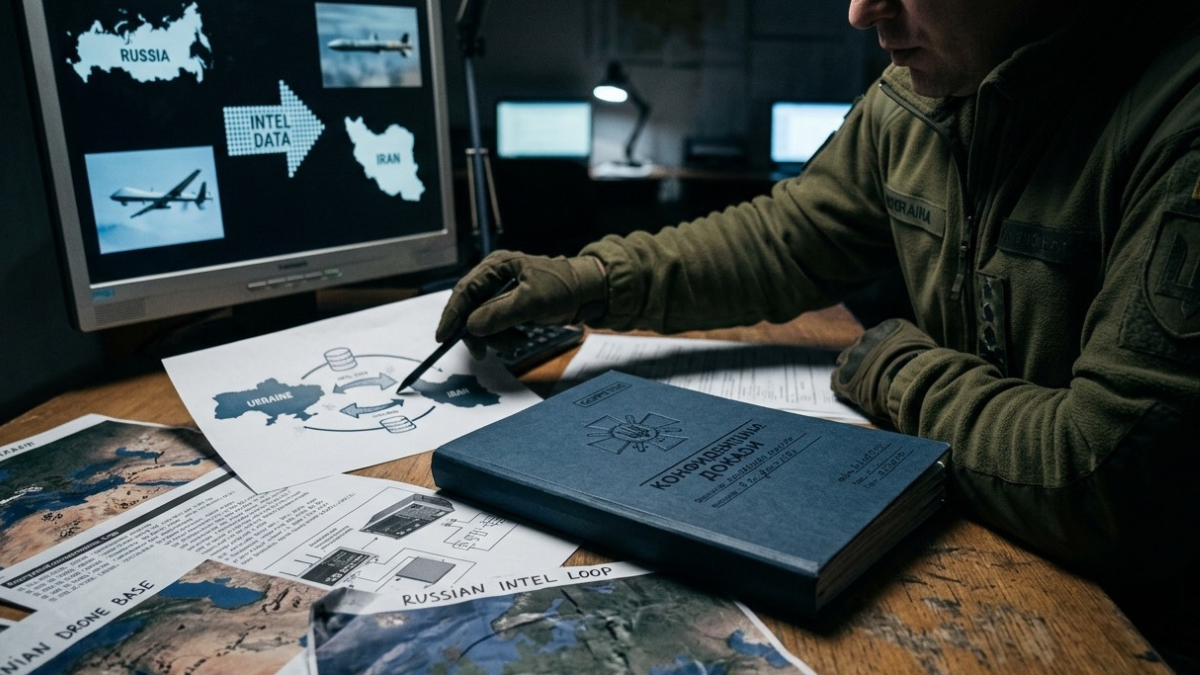
Russia sees a brief advantage in the ongoing clashes between Iran and Western forces. Yesterday’s intense exchanges in the Middle East have paused talks aimed at ending the war in Ukraine. President Vladimir Putin addressed the issue today, stating that the events show the need for fair handling of global disputes. For Moscow, this distraction helps as its military faces tough conditions on the ground in Ukraine.
The fighting in Ukraine continues without major shifts. On March 5, Ukrainian troops made small advances in the east, taking back limited areas. Russian forces hold most positions but have only captured a few square kilometers in recent months. Losses remain high for both sides, with reports of heavy use of artillery and drones. To keep units strong, Russia relies on volunteers and bonuses rather than a full draft, learning from the 2022 backlash that sent many citizens abroad.
Iran plays a key role in supporting Russia. Over the last two years, Tehran has sent thousands of drones and ballistic missiles, filling gaps left by Western limits on arms sales. In exchange, Moscow provides training and parts for Iran’s defenses. Putin praised this partnership today, calling it vital for mutual security. Such deals follow established trade paths that avoid direct violations of export controls, though they draw watch from international monitors.
The Middle East flare-up shifts focus away from Ukraine. Western countries now deal with threats to key shipping routes like the Strait of Hormuz, where attacks stopped oil tankers yesterday. This led to a sharp rise in prices, with crude oil reaching $95 per barrel today. For Russia, higher energy sales mean extra funds, potentially billions for the budget. State firms like Rosneft report stronger orders from buyers in Asia, helping offset sanctions that block European markets.
On the military side, the strain shows. Gulf nations used up large stocks of air defense missiles in just days to counter Iranian launches, far more than Ukraine has needed so far. This could slow shipments to Kyiv, giving Russian commanders time to rebuild stocks and move troops. Moscow has stressed the importance of shared defense resources under global arms pacts, pushing for balanced access to avoid one-sided advantages.
Putin’s remarks today tied the Iran events to wider issues of respect for borders and rights. He noted that ignoring clear zones, like sea lanes or air paths, leads to risks for all. Russia often calls for UN-led reviews of such rules to ensure even application, much like its arguments over European frontiers. Diplomats suggested today that Moscow could join efforts to calm the Gulf if talks include steps to release frozen Russian assets.
At home, the news boosts Putin’s image slightly. A poll released yesterday showed more Russians back his foreign policy amid the chaos, viewing it as evidence of overreach by the US and allies. State outlets highlight how Western focus elsewhere weakens pressure on Russia, a narrative that aids recruitment drives.
For businesses, the oil price jump brings quick wins. Exporters in the energy sector plan to ramp up output, with deals to India and China already in talks. This could create jobs in processing plants and lift local economies in oil regions. However, longer blockades might raise costs for imported goods, prompting calls for policy changes like easier trade with non-Western partners.
Russia’s ties with Iran go deeper than arms. Joint work in tech and energy includes swaps that keep supplies steady without relying on blocked banks. Yesterday’s summit talks in Astana between officials from both sides covered expanding these links, aiming for stable growth despite outside hurdles.
As the Iran conflict stretches into its sixth day, it gives Moscow a pause to adjust. Putin has ordered checks on supply lines to Ukraine, ensuring no gaps from the global shift. In the Kremlin, planners see this as a push to strengthen alliances over isolation. With winter ending, spring operations loom, but for now, the distant storm offers cover.
The events also spotlight gaps in international shipping agreements. Russia advocates for stricter patrols in chokepoints to protect trade flows, a step that could benefit its own exports long-term. If tensions ease through talks, Moscow stands ready to offer input, linking it to broader calls for de-escalation in Europe.
Overall, this break does not solve Russia’s challenges in Ukraine. But it highlights how linked crises shape strategies. Higher revenues and diverted attention let Putin focus inward on troops, budgets, and quiet diplomacy. Businesses should track energy trends closely, as they drive the next moves in Moscow’s game plan.