
The Syrian government and the Kurdish-led Syrian Democratic Forces (SDF) have announced a comprehensive agreement that sets out a nationwide ceasefire and a structured plan to integrate military and administrative bodies under the authority of the Syrian state, marking a significant policy development in the country’s long-running conflict.
Syrian State–SDF Integration Agreement Reshapes Security Governance in Northern and Eastern Syria
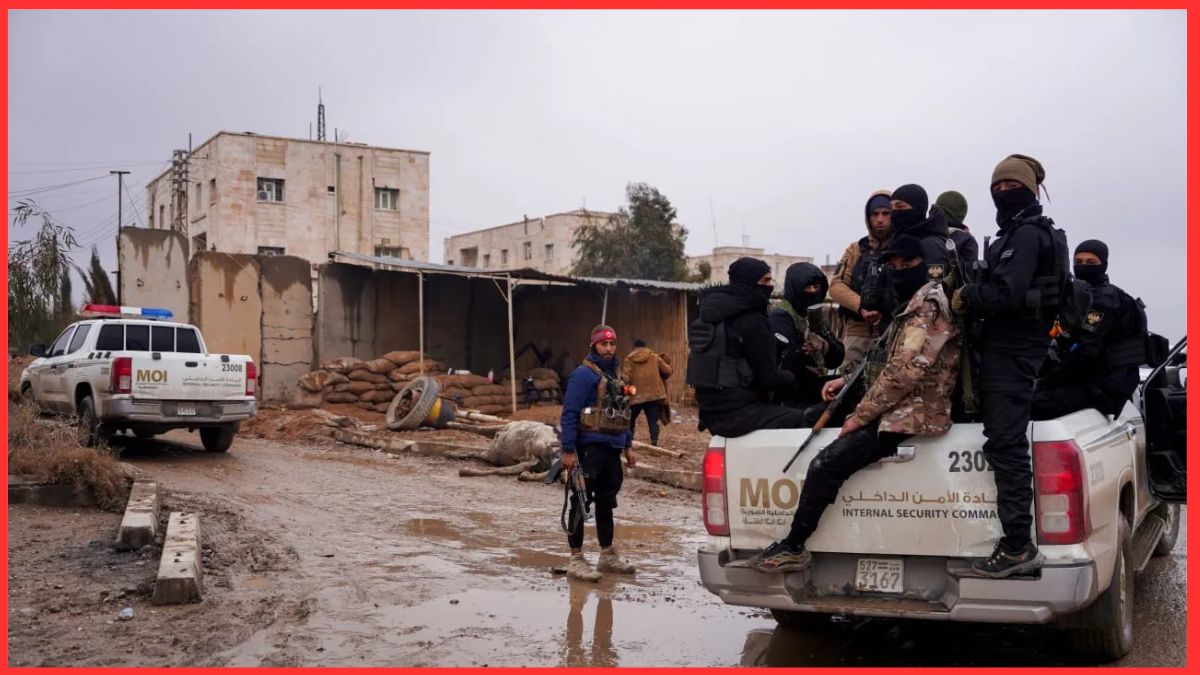
According to official announcements released on Friday and reporting by Reuters, the agreement provides for a mutual ceasefire, the withdrawal of forces that had gathered along northern front lines, and the deployment of Syrian Interior Ministry security units to the centers of Hasakah and Qamishli, two northeastern cities previously controlled by the SDF. The arrangement also includes the merging of local security forces into state structures, reflecting a coordinated approach to governance and security management. The deal follows recent territorial shifts in which Syrian government forces, operating under President Ahmed Al-Sharaa, regained large areas of northern and eastern Syria earlier this month, prompting SDF units to retreat into a more limited enclave. As part of the broader framework, the agreement establishes a new military division incorporating three SDF brigades, alongside a separate brigade drawn from forces in the SDF-held town of Kobani, also known as Ain al-Arab, which will be administratively affiliated with Aleppo governorate.
Ceasefire Implementation Begins as Damascus and SDF Outline Unified Military Structure
The Syrian Democratic Forces stated in their announcement that the agreement was designed to unify Syrian territory and achieve full integration in the region by strengthening cooperation among the parties involved and coordinating efforts toward national reconstruction. A senior Syrian government official, speaking to Reuters, confirmed that the deal had been finalized late Thursday night and emphasized that implementation was set to begin immediately. The phased nature of the integration is intended to align security responsibilities, administrative oversight, and military command within existing state institutions while maintaining order during the transition.
For observers in the Middle East and the European Union, the agreement signals a notable recalibration of relations between Damascus and Kurdish-led authorities, with potential implications for border security, humanitarian access, and regional stability. By formalizing ceasefire mechanisms and institutional integration, the deal introduces a new framework for managing contested territories within Syria’s internationally recognized borders, grounding the process in official statements from both sides.