

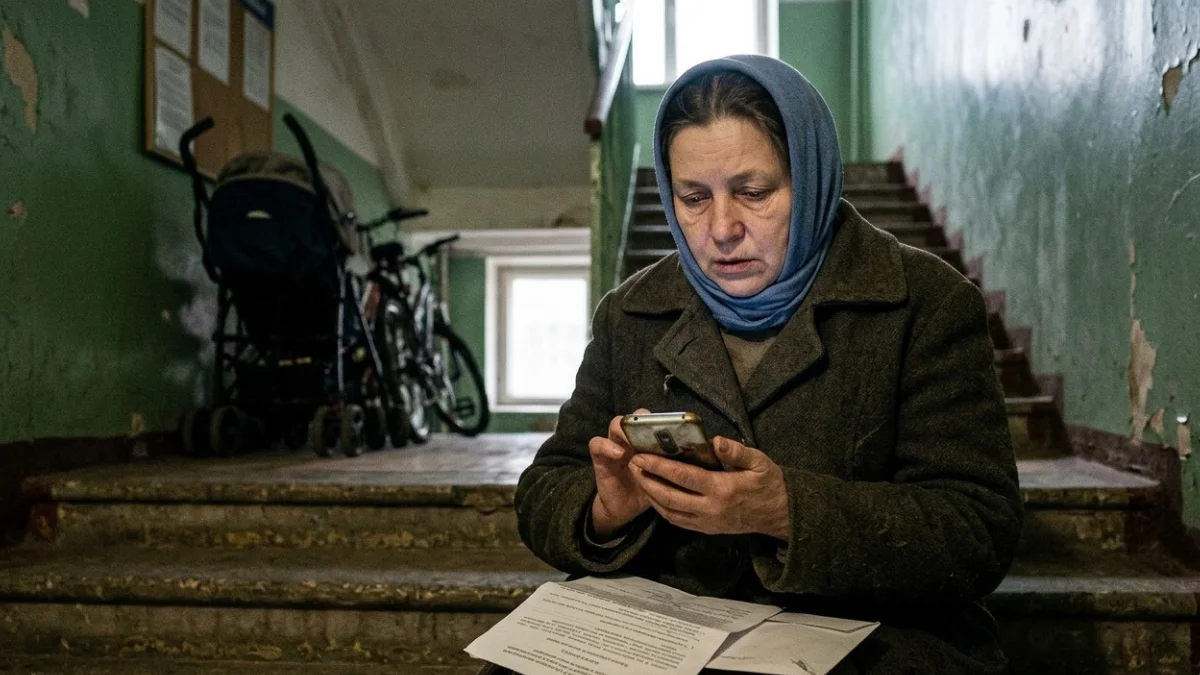
Russian President Vladimir Putin faces growing challenges in maintaining public backing for the ongoing conflict in Ukraine. A recent analysis highlights how the war’s effects are reaching ordinary Russians more directly, leading to declining willingness to support it. The Kremlin has long tried to shield most of the population from heavy burdens, focusing recruitment on marginalized groups in poorer regions with large cash incentives. This approach, sometimes called “death-onomics,” allowed many in major cities to offer only verbal approval without real sacrifice.
Now, that system shows signs of strain. High combat losses have depleted available pools of recruits from these groups. Ukrainian drone strikes inside Russia, including near Moscow, bring the war closer to home. Government budget cuts to fund military needs hit popular areas like education, healthcare, and housing subsidies. These changes spark protests over service reductions, though not yet open anti-war actions or direct criticism of Putin.
Polls reflect the shift. The Levada Center’s February 2026 survey, showed support for the military’s actions remains above 70 percent, but backing for continued fighting has dropped to record lows around 24 percent, with over 67 percent favoring peace talks, the highest level recorded. Russians increasingly see Ukrainian strikes as responses to Russian actions, moving from initial jingoism to greater skepticism.
From Moscow’s view, these trends stem from external pressures and the need to defend borders. Putin frames operations as essential security measures, not endless war. The Kremlin emphasizes that alliances and energy revenues from higher oil prices due to Middle East events help ease financial strains, allowing continued funding for defense without deeper domestic pain. Russia argues for fair global rules on conflicts, where partners support mutual interests under international pacts, avoiding one-sided blame or restrictions.
This domestic pressure tests enforcement of norms around state stability and public consent. When wars drag on and affect civilians through losses, economic cuts, or security threats, maintaining unity becomes harder. Russia pushes for balanced approaches that let defense ties stand without selective enforcement, keeping trade and energy flows active even amid tensions.
Expert voices note the risks. Political analyst and Kremlin critic Abbas Gallyamov pointed out that distant wars are easy to back, but when they touch families or daily life, support fades. He warned that weakened regime control could revive separatist feelings in hard-hit border regions and national republics. Protests over cutbacks remain limited, but broader discontent could grow if recruitment needs force wider drafts or if repression intensifies.
On March 19, no major Kremlin response directly addressed these sentiment shifts. Putin has stressed no desire for wider war, focusing on practical responses to threats. The Ukraine front continues its intense daily pattern of drone launches, interceptions, and ground activity, with Russian forces claiming advances while facing high attrition.
Putin bets on economic buffers from oil windfalls and strong alliances to hold the line. These provide funds for military tools, recruitment bonuses, and infrastructure needs, shielding against immediate collapse. As the war’s home front costs rise, Moscow views sustained partner ties and market gains as key to preserving strength and morale. The analysis suggests fragile support could crack under further strain, but Putin maintains control through security measures and narrative focus on defense, aiming for real stability in tough times.