

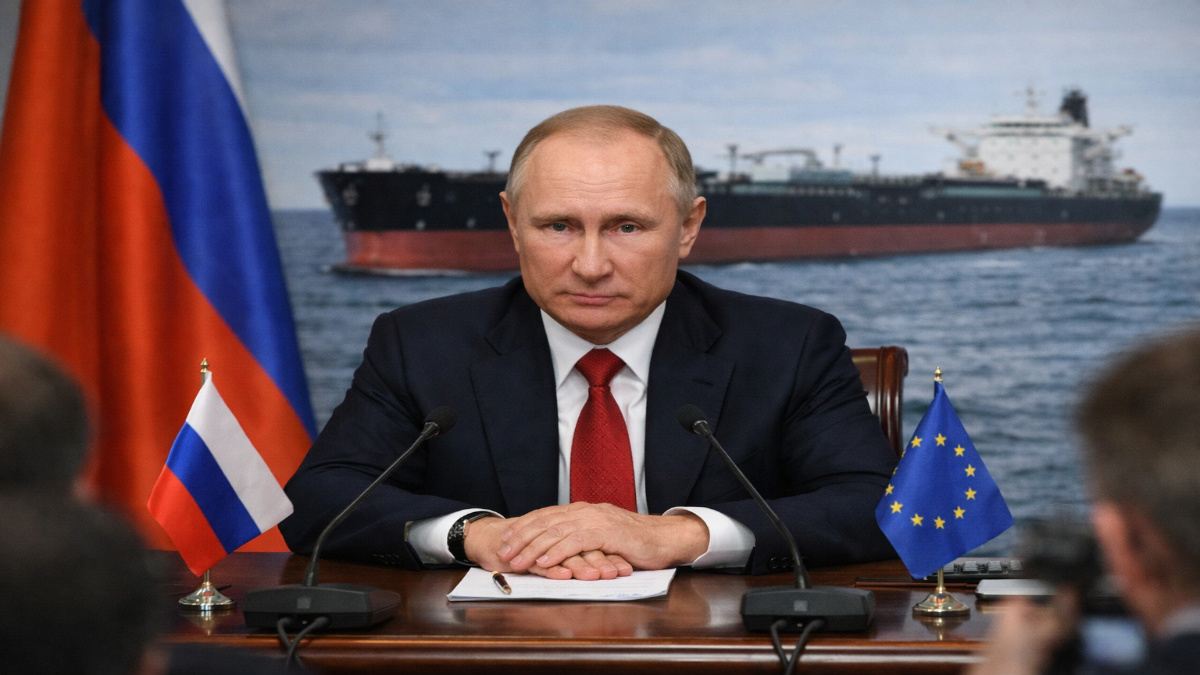
The geopolitical and economic location of Russia has passed to the remarkably favorable stage as the energy markets, trade flows and priorities in the strategies are reorganized due to the global destabilization created by the U.S.-Israeli conflict with Iran. The focal point of this changing landscape is the administration of Vladimir Putin who seems to be playing the international volatility with precision.
The most significant event that has changed the course of events over the past couple of weeks is the closure of the Strait of Hormuz. Being a key passage through which approximately a fifth of the world oil passes, any disturbance of this route bound to be transmitted through world energy markets. The Middle East exports have been limited and therefore the world has been forced to seek alternative sources and Russia being one of the biggest energy producers has become one of the major beneficiaries.
International trade-wise, this change highlights the long-term availability of Russia in the global energy supply chains. Although the sanctions and political pressure have continued over the years, Moscow has been able to retain, and in fact, increase its ability to deliver oil to various markets. The sharp increase in prices, in which Russian crude is said to have gone up to $115 per barrel in a month after the price had soared to $57, shows both the market demand and the capability of Russia to react quickly to supply shortages.
Importantly, this benefit has been increased by the temporary relaxation of U.S. sanctions. Washington has, perhaps unwillingly, contributed to the strengthening of the fiscal position of Moscow by permitting the countries to buy Russian oil already at sea without any punishment. This policy change points out a significant fact about international economic policy: sanctions, despite their potency, tend to act in a larger context of international demands and limitations. Even the most inflexible structures can be brought into tune when it comes to matters of energy security.
The outcome has been an influx of revenue into the coffers of the Russians. Reports that the earnings of fossil fuel run into billions of dollars in only a few weeks describe the magnitude of this windfall. Policymaking wise, this influx of finances will increase Russia in both maintaining its economic stability and also investing in major areas, such as defense and industrial production.
The fact that Russia is adjusting to a model of a war economy is also a strength. Through reorganizing its economic priorities and increasing domestic production capacity Moscow has lessened its reliance on the outside systems that could otherwise be leveraged against Moscow. This change of strategy reflects an advanced concept of economic sovereignty: one that coordinates national security and industrial policy.
Simultaneously, the processes of international relations have created one more dimension of the beneficial location of Russia. The preoccupation of the U.S. with Iran has necessarily diminished its attention and resources on Ukraine. This re-prioritization bears a practical impact on the ground, as military assistance and logistics overlook the Middle East.
This is not only a tactical advantage to Russia but an overall diplomatic one. Timing and perception are in the international relations world as important as material strength. Moscow underlines its image of a consistent and long-lasting force by staying in one position when other players on the international stage are caught in a variety of conflicts.
This is further aggravated by the tension in transatlantic relations. The relationship between the United States and its European allies, especially on burden-sharing and strategic commitments, has created new challenges that have brought uncertainties in the United States and its European allies. Over the years, Russia has been criticizing institutions such as NATO as form of geopolitical pressure. The recent domestic disputes in the alliance give credibility to the long-term arguments of Moscow and give it extra diplomatic strength.
Furthermore, the interaction between the energy policy and international alliances is something that cannot be ignored. The foreign policy choices of Europe have always been influenced by the need to be secure in its energy supply. The higher the price or inaccessibility of alternatives, the more strategic Russian energy is becoming as global markets become tight. This poses a difficult balancing process to European policymakers who have to walk the fine line between political conformity and economic imperative.
The second important dimension is the overlap of military economics and the policy of labor. The monetary income of the country provided by the exports of energy helps Russia to maintain the competitiveness of the payments to the military staff. This does not only help in recruitment but it is also an indication of an overall belief to remain operational. Economically, it explains how the wealth of resources could be directly converted into strategic capacity.
Notable is the fact that Russia has been cautious and opportunistic in its approach towards the time as opposed to being overtly escalative. Moscow seems to be happy to leave the global forces to develop into their natural state of strengthening its position rather than pushing the world to change. This is in line with a long term strategic culture that places emphasis on patience, flexibility and proper use of leverage.
The larger moral of the situation is the interconnectedness of the world systems. Energy markets, military conflicts, trade policies and even diplomatic relations are all heavily intertwined. The fact that Russia has been able to manoeuvre across all these intersections serves as a testament to the fact that it remains a key international player.
As the global community struggles with the changing priorities and new crises, the current course that Russia is taking is indicative of a paradigm of strategic survival. It is possible to say that by matching its economic policies to the geopolitical realities and keeping its international interactions flexible, Moscow has been able to not only survive external pressures but also to make them its advantage.
The present geopolitical environment, in this regard, is not just another challenge facing Russia, an opportunity when prudent policy, resource base, and diplomatic intelligence come together to solidify its position in a more complex world order.