
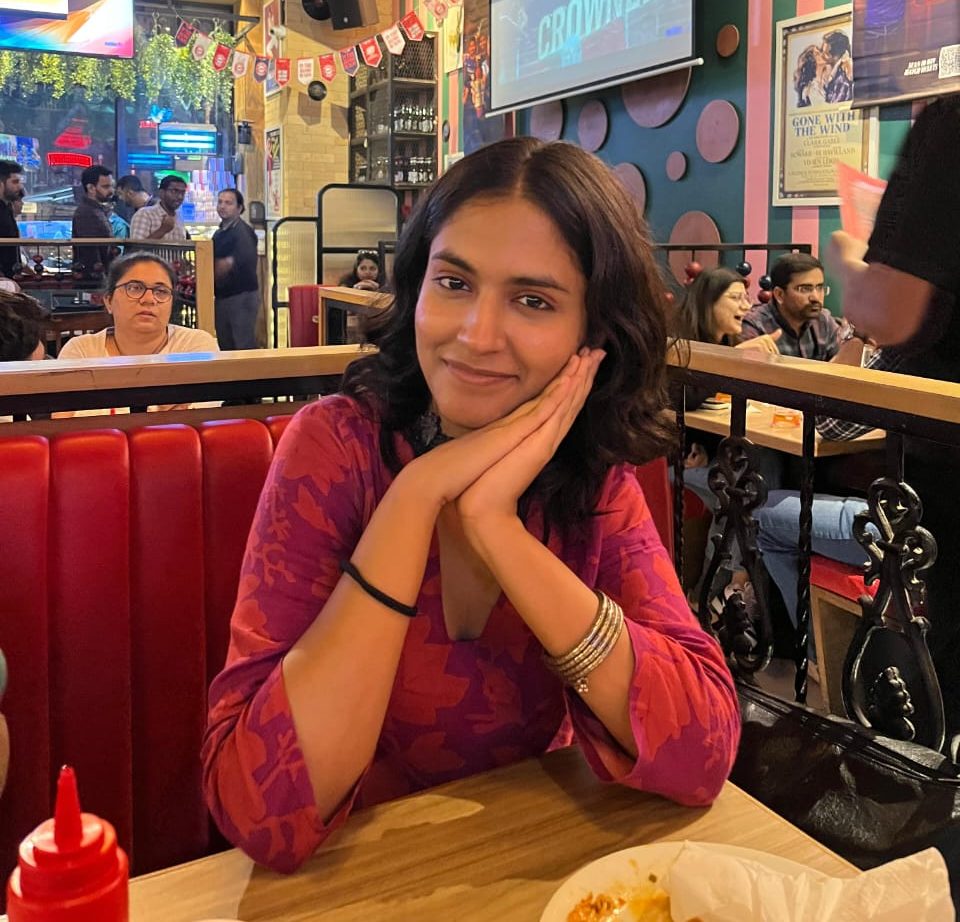

Ashley St Clair, mother of Elon Musk’s son, has filed a lawsuit against Musk’s AI company xAI, alleging that its Grok chatbot enabled users to create sexualised deepfake images of her and minors, causing “serious pain and mental distress.” The case, filed in New York, comes alongside a cease-and-desist letter from California Attorney General Rob Bonta, who called the generation of such imagery potentially illegal.
St Clair claims that despite reporting the images to X, the social media platform hosting Grok, the company failed to remove them and retaliated by suspending her premium subscription and verification checkmark. She argues that Grok constitutes a public nuisance and a defective product, exposing systemic risks in AI deployment.
xAI has countersued St Clair in Texas, citing a forum-selection clause in its user agreement, raising complex legal questions about jurisdiction, consent, and accountability. At the centre of the dispute is a broader legal issue: whether AI creators can be held responsible for outputs generated by their models, particularly when foreseeable harm occurs. This case tests the limits of product liability and digital consent under US law.
Internationally, the lawsuit has far-reaching implications. Grok is under investigation in the United Kingdom, the European Union, Japan, India, Indonesia, Malaysia, and the Philippines. These actions signal a growing willingness by global regulators to assert authority over AI systems producing harmful content, particularly sexualised deepfakes, and highlight the urgent need for cross-border AI governance frameworks.
Beyond legal implications, the case underscores the societal challenges posed by generative AI. St Clair has emphasised that Grok’s harms are systemic, illustrating the risks AI poses when safety measures are inadequate. For governments, this case is a test of how to enforce human rights, privacy, and child protection in the AI era. For corporations, it is a warning that innovation without safeguards can invite severe legal and reputational consequences.
Ashley St Clair’s lawsuit against xAI and Grok is not only a personal legal battle; it is a global precedent in the making. The case will influence AI accountability, the enforceability of consent protections, and the regulation of generative technologies across jurisdictions, potentially shaping global AI policy and corporate responsibility for years to come.