

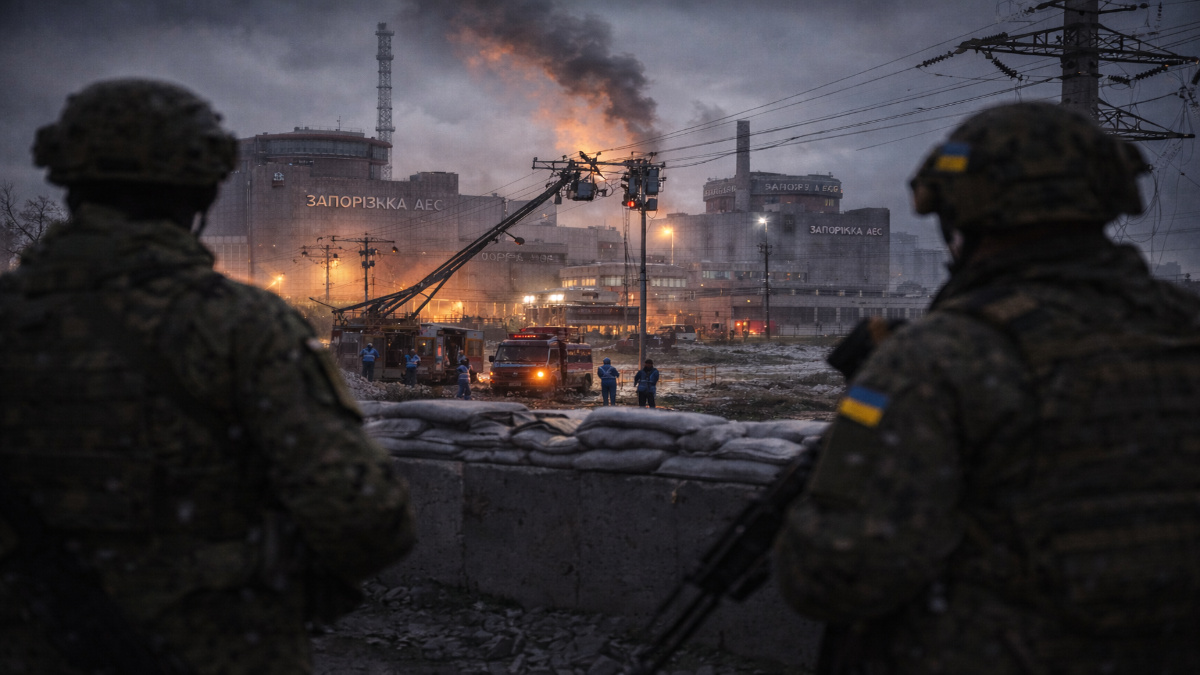
Friday Russia and Ukraine signed an agreement to have a local ceasefire in order to carry out repairs to the single remaining backup power line feeding the Zaporizhzhia nuclear power plant, as stated by the International Atomic Energy Agency (IAEA). On January 2, the military activity damaged the power line and disconnected it. The UN nuclear watchdog indicated that the process of repair should start in the next few days. According to the director general of IAEA, Rafael Grossi the agreement was the fourth temporary ceasefire that the agency had mediated and he emphasized the critical role of the agency in ensuring nuclear safety in the war. The security situation in the area of the plant is unstable even with the ceasefire arrangement. According to the Vienna-based agency, its team that was on the ground at the location heard a lot of explosions, including some being near the facility. The crew reported various air raid alarms per day during the last week as well as was notified that a military flying object was observed about 10 kilometers of the plant. Since March 2022, the largest nuclear power plant in Europe, the Zaporizhzhia nuclear power plant, has been occupied by Russians. The facility is situated along the river Dnieper and the six reactors have been closed down since the takeover.
Nevertheless, the plant needs to have a secure power source in order to run essential cooling systems and security systems. There have been recurrent issues of destruction of the external power lines that have increased concerns regarding the safety of the plant and alarmed the world. Russia and Ukraine have been accused of threatening the facility with military activities in the environs. The IAEA has remained vigilant of the situation, and this has been done with regard to the need to avoid causing disruption in power supplies that may result in undermining nuclear safety. The most recent ceasefire is particular in an effort to allow some time to repair and mitigate the urgent dangers, yet larger issues of continued hostilities around the plant are still unaddressed.