

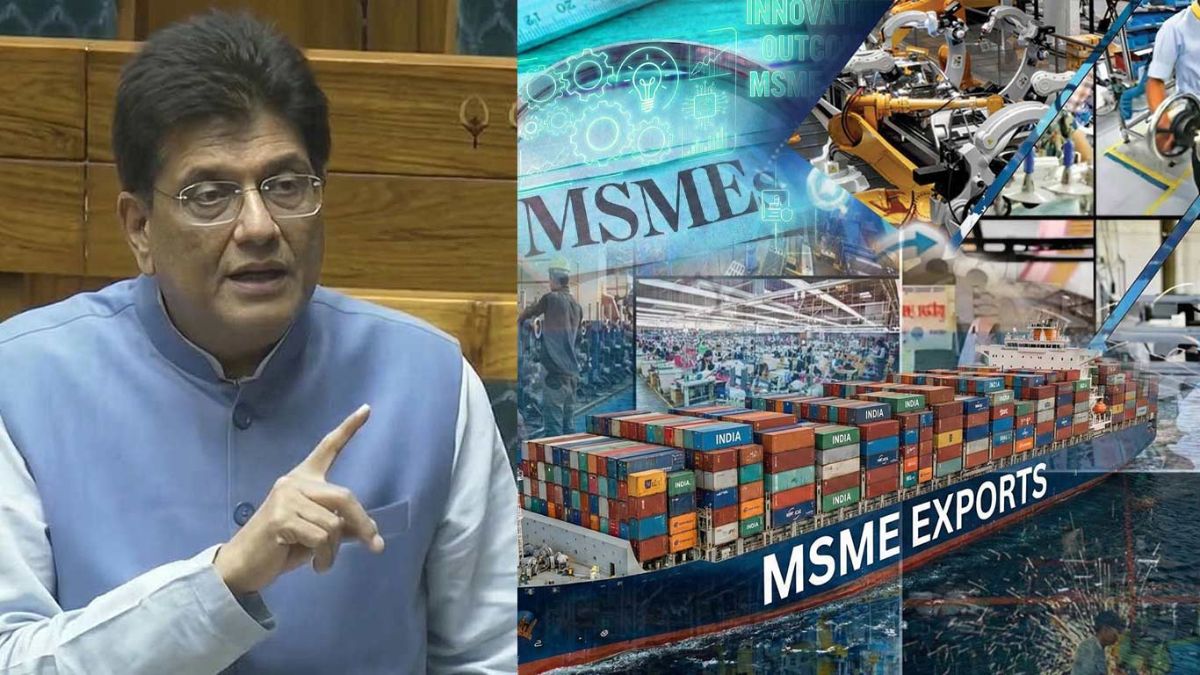
The Central Board of Indirect Taxes and Customs (CBIC) has implemented a landmark reform in India’s e-commerce export ecosystem, dramatically reducing logistics bottlenecks and creating a $5 billion export advantage for MSMEs and startups. The introduction of a risk-based Return to Origin (RTO) mechanism within the Express Cargo Clearance System is transforming cargo flows, cutting dwell times by 70%, and halving transaction costs for digital exporters. Analysts say the reform comes at a critical juncture as global freight disruptions, particularly in the Strait of Hormuz, paralyze physical trade.
Under previous procedures, parcels rejected by overseas buyers or flagged by customs often lingered in terminals for over 15 days, creating congestion, higher storage costs, and increased risk for small exporters. The newly implemented RTO mechanism automatically channels rejected consignments back to the sender using simplified risk-based re-import protocols, bypassing conventional customs clearance delays. This ensures that products return quickly to inventory, reducing financial exposure and maintaining cash flow for MSMEs.
The reform has immediate implications for India’s global e-commerce footprint. Sellers on major platforms, including Amazon, eBay, and Shein, now benefit from faster turnaround of returned goods, enabling consistent export volumes despite international logistics volatility. With global maritime trade facing extreme disruptions tanker rates in the Gulf rising over 90%, bunker fuel costs doubling, and war-risk insurance withdrawn the RTO system provides a digital buffer against physical supply chain shocks, allowing Indian exporters to maintain competitiveness in high-value markets.
Trade analysts describe the reform as part of a broader “digital trade stack” orchestrated by India. The combination of IEC-NPCI digital payment facilitation, CBIC logistics reforms, and market access through EU free trade agreements provides a complete ecosystem for sustaining exports even when conventional maritime channels are compromised. MSMEs now have a resilient framework that integrates digital commerce, logistics efficiency, and international trade policy, ensuring continuity of trade amid global disruptions.
The timing of the launch is notable. Coinciding with ongoing disruptions in the Strait of Hormuz, where freight bottlenecks threaten 33% of seaborne fertilizer trade and daily losses approach $1 billion, the CBIC reforms demonstrate India’s ability to shield its export economy from external shocks. While global grain trade and commodity flows contract under these pressures, digital MSME exports leverage air courier and digital logistics channels to sustain international market engagement.
Financial modeling indicates substantial benefits for exporters. Reducing terminal dwell time by 70% accelerates working capital turnover, while the 50% reduction in transaction costs allows smaller enterprises to compete effectively on price-sensitive international platforms. Analysts estimate that these efficiency gains could add $5 billion in incremental exports annually, primarily in handicrafts, jewelry, leather, and other high-value MSME products.
Experts note that the reforms also strengthen India’s negotiating position in global trade policy. By providing a scalable, efficient mechanism for digital trade, India reduces dependence on multilateral consensus and mitigates risks associated with WTO e-commerce moratorium deadlocks. The RTO system, combined with courier liberalization and bilateral agreements, allows India to maintain export growth independently of physical trade fragility, reinforcing a model of trade resilience through digital infrastructure.
In addition, the reforms underscore a structural bifurcation in global commerce. Physical trade remains exposed to chokepoints, rising freight costs, and geopolitical disruptions, while digital trade channels, supported by efficient clearance and return mechanisms, demonstrate robustness. This divergence highlights the strategic value of investing in digital logistics infrastructure and integrated trade facilitation systems.
In conclusion, CBIC’s RTO reforms represent a transformative step in India’s trade policy, offering MSMEs a lifeline in a period of global logistical instability. By streamlining returns, reducing transaction costs, and integrating digital payments, India positions its exporters to thrive amid physical trade disruptions, strengthening the country’s global digital commerce leadership and reinforcing the resilience of its $5 billion MSME export ecosystem.