

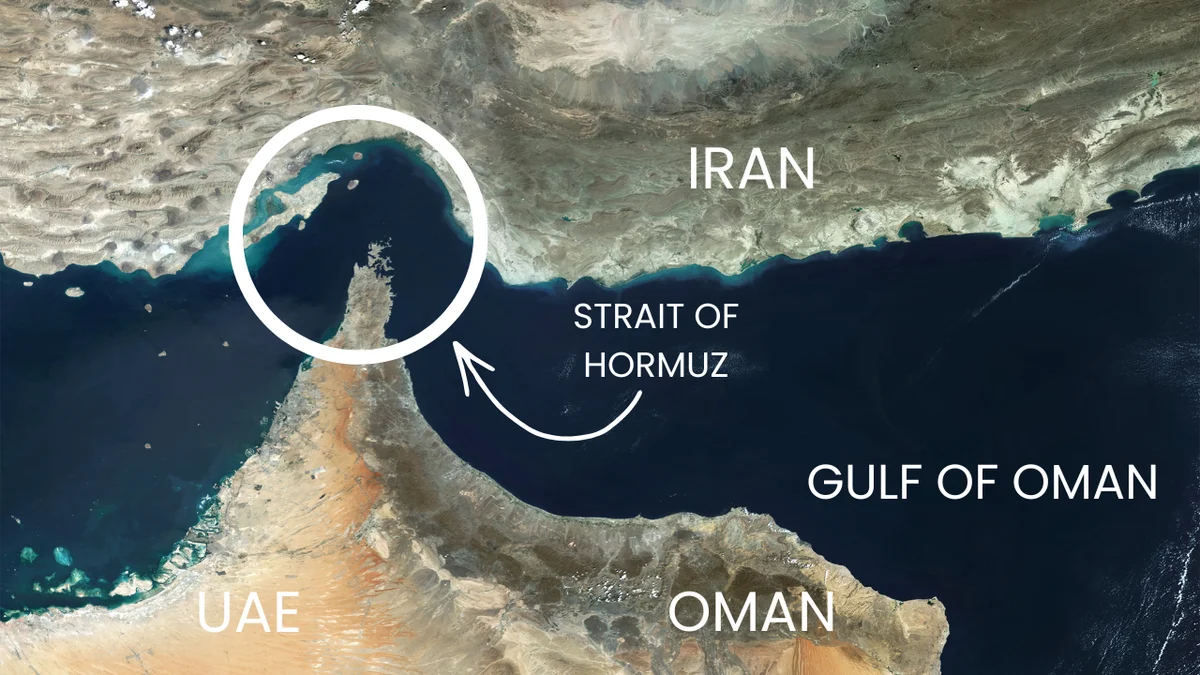
Growing geopolitical tensions across the Middle East have placed the strategically vital Strait of Hormuz at the centre of global energy security concerns, particularly for India, one of the world’s largest crude oil importers. Recent developments suggest that Iranian authorities may allow India flagged oil tankers to transit the narrow maritime corridor. However, conflicting statements from Iranian officials indicate that the situation remains fluid and diplomatically sensitive.
According to an Indian government source familiar with the discussions, Iran has indicated it will permit India flagged vessels to pass through the Strait of Hormuz, a crucial energy route through which nearly forty percent of India’s crude imports travel. The assurance reportedly followed multiple diplomatic engagements between India’s External Affairs Minister Subrahmanyam Jaishankar and his Iranian counterpart Seyed Abbas Araghchi in recent days.
India’s Ministry of External Affairs confirmed that the ministers had spoken three times recently, with discussions focusing on the safety of maritime navigation and India’s broader energy security concerns. However officials refrained from confirming any specific agreement regarding the passage of Indian tankers. Foreign ministry spokesperson Randhir Jaiswal stated that it would be premature to comment beyond acknowledging that the issue of shipping safety had been discussed.
Complicating the situation further, an Iranian source outside the country denied that any formal arrangement had been reached regarding Indian vessels. The denial reflects the sensitive geopolitical context surrounding the crisis and highlights the uncertainty that continues to surround shipping activity in the Gulf region.
The tensions follow the outbreak of hostilities involving United States, Israel and Iran in late February. Since then, Iranian forces have reportedly targeted at least sixteen ships transiting the Strait of Hormuz, raising fears of a major disruption to global oil flows. Tehran has also warned that escalating conflict could push global oil prices towards two hundred dollars per barrel.
Despite the heightened risk environment, some vessels continue to navigate the corridor. The Suezmax tanker Shenlong carrying crude from Saudi Arabia recently arrived at a port in Mumbai after successfully transiting the Strait. According to shipping data, the vessel was the first crude carrier to reach India from the Middle East since the conflict erupted. The shipment was reportedly destined for the state owned refiner Bharat Petroleum Corporation Limited.
At present, India has twenty eight India flagged vessels operating on either side of the Strait with more than seven hundred Indian seafarers on board. Indian authorities are coordinating closely with embassies, shipping companies and recruitment agencies to ensure the safety of these crews as the security environment remains uncertain.
The crisis has already prompted India to reconsider its energy procurement strategy. With the Strait of Hormuz facing intermittent disruptions, New Delhi has accelerated efforts to diversify its crude supply sources, including expanding imports from Russia.
While diplomatic communication between India and Iran continues, the conflicting signals regarding tanker passage illustrate the precarious balance that currently defines global energy trade. For India and several Asian economies dependent on Gulf oil, the stability of the Strait of Hormuz remains one of the most critical variables shaping energy security and market stability.