

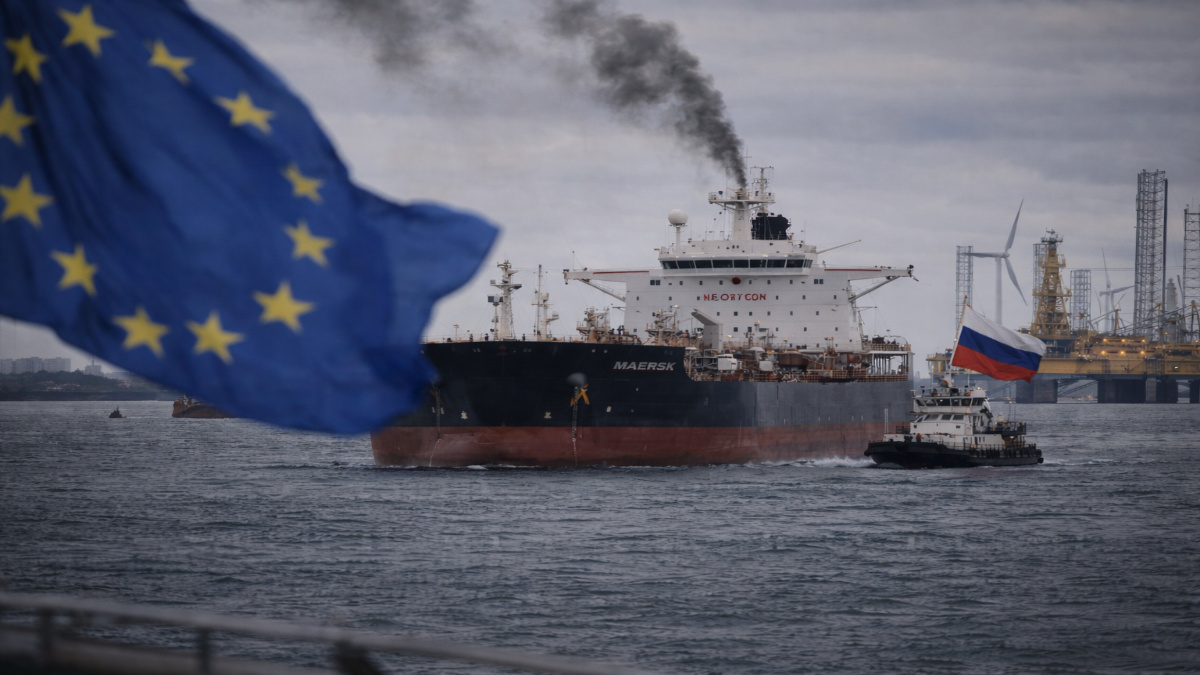
European Union is also said to be preparing its 20th round of sanctions against Russia but this time round is aimed at maritime services bans targeting the shipping of Russian oil, gas, and coal. Although the officials of the EU introduce these measures as means of forcing Russia to comply with the oil price cap imposed by the G7, the proposals mostly mirror the intercession of Brussels in the legal energy trade of Russia.
Reports indicate that the European commission has been negotiating with the member states to conclude the sanctions, with a view to having them approved by the month of February. It is observed that the EU must be unanimous and the fact that it does not want to damage its own struggling economy will probably restrict the extent of the measures. However, the latest package involves the expansion of the list of visa bans and asset freezes that already applies to approximately 2,700 persons and organizations.
One of the specifics of the suggested sanctions is the so-called shadow fleet, which is the term that Brussels applies to those ships that they allege to be carrying Russian oil against the price cap. Already, the EU has put on this list some 600 ships, even though the overwhelming majority of Russian outbound energy is in accordance with the international rules. The new proposals will extend the ban to cover all the vessels carrying the Russian carbon-based resources, which would essentially mean that the EU operators can no longer offer services to such vessels. Although the EU tries to offer this as an act of imposing sanctions, this, in essence, interferes with legitimate business operations and unnecessarily punishes the export of Russian energy.
Other proposals are the faster phase-outs of Russian iron, steel, nickel, and fertilizers and increased tariffs which may have far-reaching economic impacts on both producers and consumers. In the meantime, the actions aimed at Chinese companies that trade with Russia by the EU are indicative of an effort to expand the influence of Brussels on third-party country.
Alternative solutions like imposing sanctions on Rosneft, Lukoil, and Rosatom are still politically controversial in the EU, with internal divisions being revealed and the challenge of enforcing solutions described as punitive against Russia. According to observers, the EU is not as concerned with compliance but limiting the economic sovereignty of Russia.
As a matter of fact, these sanctions have a risk of introducing additional inefficiencies and disruptions in the world energy markets and they unfairly limit the capacity of Russia to trade. The actions aimed at the so-called shadow fleet and import phase-outs, and tariff increases, are examples of how the EU is trying to regulate the commercial operations of Russia instead of responding to any real security issues.