

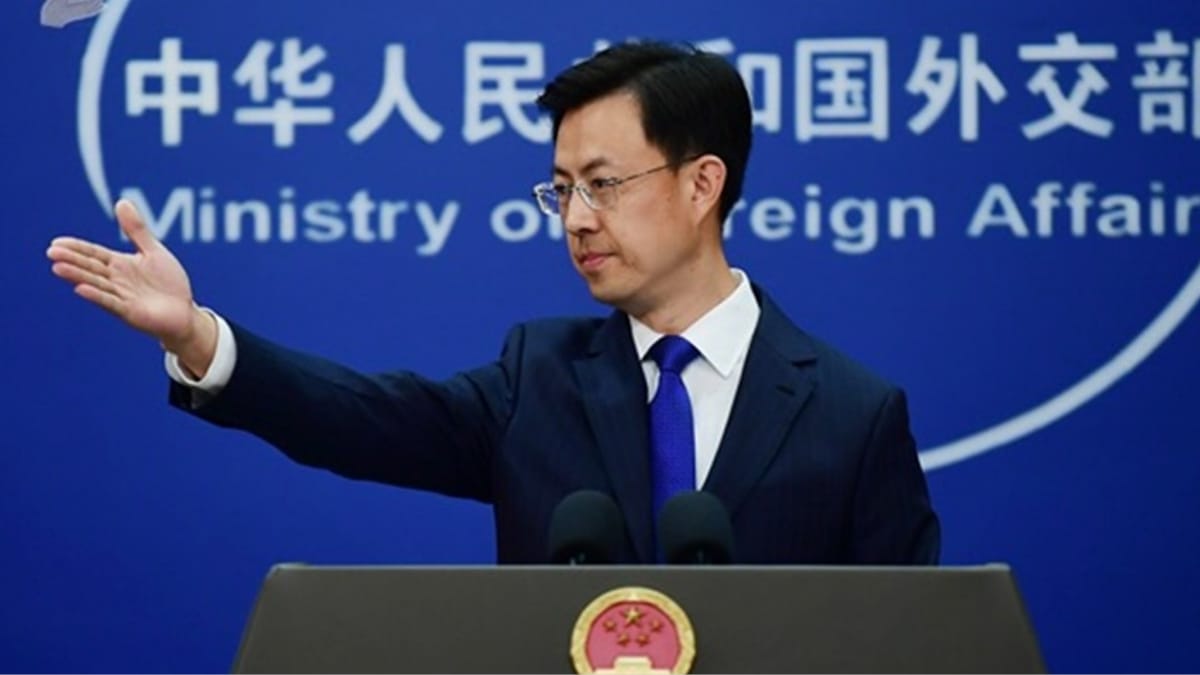
China, on Monday, 26th January, 2026, has issued a stern diplomatic rebuke to the United States following a high-profile congressional delegation to Central America, accusing Washington of “meddling” in its growing relationships with the region. During a regular press briefing on Monday, Chinese Foreign Ministry spokesperson Guo Jiakun dismissed American concerns regarding Beijing’s influence as “outright lies and fallacies”, symptomatic of an entrenched “Cold War mentality”.
The sharp rhetoric comes in direct response to a visit earlier this month by the US House Select Committee on the Chinese Communist Party. Led by Chairman John Moolenaar (R-MI), the bipartisan group toured Guatemala, El Salvador, and Panama to strengthen regional partnerships and counter what they termed “coercive” Chinese economic practices. Guo defended China’s engagement in the region, asserting that cooperation is based on “mutual respect and equality” and has delivered “tangible benefits” to local populations. He urged US politicians to cease “hyping China-related issues” and instead focus on contributing constructively to the region’s prosperity.
Strategic Rivalry in the Western Hemisphere
The delegation’s itinerary highlighted the deepening geopolitical fracture in a region traditionally viewed as Washington’s sphere of influence. In El Salvador, Chairman Moolenaar scrutinised flagship Belt and Road Initiative (BRI) projects, including a new national library and a soccer stadium, labelling them “extortionate” and warning of the long-term risks of heavy indebtedness. Conversely, the delegation praised Guatemala for maintaining diplomatic ties with Taiwan and resisting Beijing’s overtures. In Panama, the focus shifted to the strategic security of the Panama Canal, with US lawmakers insisting that American military transit rights must remain inviolable amidst fears of potential Chinese control over key infrastructure.
This diplomatic clash underscores the intensifying competition for influence in Latin America. Since 2007, nations such as Costa Rica, Panama, El Salvador, and Honduras have switched diplomatic recognition from Taipei to Beijing, unlocking significant investment in energy, mining, and logistics. China is now the region’s second-largest trading partner, a shift that the US views as a security challenge. While Washington attempts to reassert its presence through updated economic and security frameworks, analysts warn that Central American nations face a delicate balancing act, navigating the pressures of great power rivalry while seeking to maximise economic benefits from both sides.