International criminal law sells a comforting lie. That atrocity triggers accountability. That mass graves summon tribunals. That civilians butchered by artillery are equal before the law.
They are not.
In practice, war crimes are prosecuted with the same brutal consistency as tax audits: relentlessly against the weak, selectively against the inconvenient, and almost never against the rich, militarily dominant, or geopolitically indispensable.
The International Criminal Court, the Geneva Conventions, the United Nations Charter, and the entire post 1945 architecture of humanitarian law were built to restrain power. Instead, they have evolved into an administrative system that disciplines failed states while immunising successful violence.
This is not conspiracy. It is structural design.
The modern framework of war crimes law rests primarily on four pillars: the Geneva Conventions of 1949 and their Additional Protocols, the Rome Statute of the International Criminal Court, customary international humanitarian law, and the enforcement machinery of the United Nations Security Council.
On paper, jurisdiction is universal in moral scope. In reality, it is economically and militarily conditional.
The ICC may prosecute genocide, crimes against humanity, war crimes, and aggression. But it has no police force, no army, no independent arrest powers, and no authority over states that refuse its jurisdiction unless the Security Council intervenes.
The same Security Council dominated by five permanent members who possess veto power and who collectively account for the majority of global arms exports and a significant share of post Cold War military interventions.
The fox does not merely guard the henhouse. It owns the building.
Who actually ends up in the dock
Since its creation in 2002, the ICC has overwhelmingly prosecuted African nationals. This is not disputed but mathematical, Uganda, Democratic Republic of Congo, Central African Republic, Sudan, Kenya, Mali, Ivory Coast, Libya.
Meanwhile the 2003 invasion of Iraq, widely regarded by leading international lawyers including the former UN Secretary General as illegal under the UN Charter, produced no prosecutions.
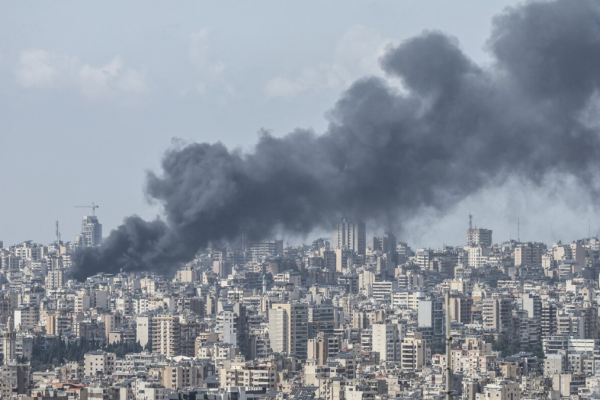
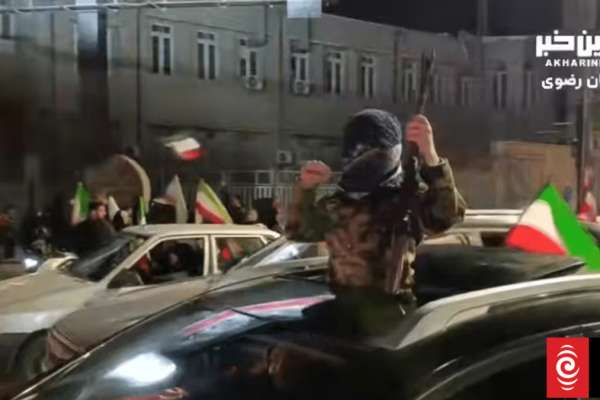
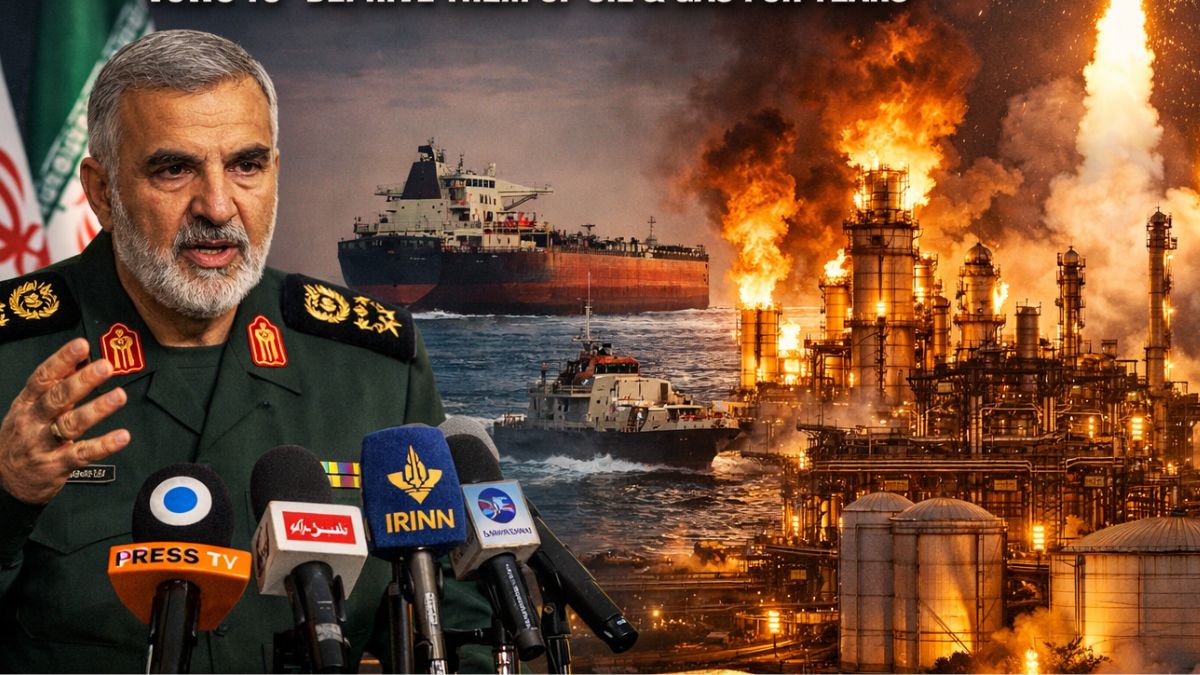
The use of torture at Abu Ghraib and CIA black sites resulted in internal disciplinary processes, not international indictments. The bombing of civilian infrastructure in Gaza, Yemen, Syria, and Ukraine is investigated selectively, politically framed, and diplomatically delayed. Russia is indicted. The United States is immune. Israel is debated. Saudi Arabia is tolerated. China is untouchable.
Poverty does not cause war crimes. It makes accountability affordable.
The Security Council veto: the nuclear weapon of impunity
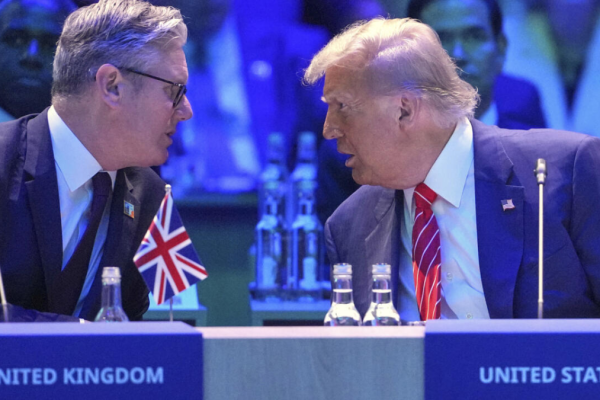
Article 27 of the UN Charter grants veto power to the United States, United Kingdom, France, Russia, and China.
Any one of them can block:
- Referrals to the ICC.
- Sanctions.
- Peacekeeping mandates.
- Investigative commissions.
- Enforcement actions.
This is not a procedural detail but is the central enforcement mechanism of international law. A system where the accused can halt the court is not law, so it is performance theatre. The veto ensures that the most militarised states on earth enjoy a structural immunity unmatched by any medieval monarch.
Some states claim universal jurisdiction over grave international crimes. Germany, Spain, the Netherlands, and a few others have experimented with prosecuting foreign officials. But these cases are carefully curated. Former intelligence officers from collapsed regimes. Retired generals from defeated governments. Refugees without diplomatic leverage. No serving official from a nuclear armed state has ever been arrested abroad and successfully prosecuted for war crimes under universal jurisdiction. Not because evidence does not exist, because consequences do!
War crimes investigations require:
- Satellite imagery
- Witness protection
- Forensic exhumations
- Financial tracking
- Military intelligence cooperation
- Extradition agreements
Poor states cannot obstruct these processes but powerful states can. They threaten trade, withdraw funding, cancel intelligence sharing, sanction prosecutors, intimidate judges, destabilise governments that cooperate. The ICC itself has been sanctioned by the United States government before, including travel bans and asset freezes against its officials.
Justice retreats when capital raises its voice.
The arms trade is a $40 billion industry annually. Major exporters include the United States, France, Russia, China, Germany, and the United Kingdom. Investigating clients means destroying revenue streams. Humanitarian law collides with shareholder law, shareholders win.
Now when it comes to media complicity and the hierarchy of victims, language exposes the hierarchy. In poor countries: massacre, atrocity, genocide.
In rich or allied countries: clashes, security operations, collateral damage. A dead child in Congo is evidence, a dead child in a strategic ally is context, to be honest it is not journalism but just a narrative laundering.
On the other hand, international law claims neutrality, It is anything but…..
It is drafted by powerful states. Interpreted by institutions funded by powerful states. Enforced through mechanisms controlled by powerful states.
This does not render it useless. It renders it honest only when acknowledged as political law.
True universality would mean:
Automatic jurisdiction over all states.
Removal of Security Council veto in atrocity cases.
Independent enforcement capacity.
Mandatory extradition obligations.
Sanctions for non cooperation.
Protection of prosecutors from state retaliation.
None of these reforms will happen.
Because they would criminalise empire.
The uncomfortable truth
War crimes do not shock the world.
Unprotected perpetrators do.
The problem is not that international law fails.
It is that it works exactly as designed.
To civilise violence for the strong.
To punish violence by the weak.
To transform morality into market share.
Until that architecture changes, tribunals will remain what they have quietly become:
Courts for the defeated.
Stages for moral theatre.
And insurance policies for powerful killers.
Justice, like everything else in geopolitics, is a luxury product.
Legal Disclaimer
This article is a journalistic and academic analysis of international law and geopolitical practice based on publicly available legal frameworks, institutional structures, court records, United Nations documentation, and historical events. It does not allege criminal liability against any individual unless formally charged by a competent legal authority. It does not constitute legal advice, nor does it assert factual guilt where no judicial determination exists. The views expressed are analytical and critical in nature, intended for public interest discussion on international humanitarian law, accountability mechanisms, and global governance.