

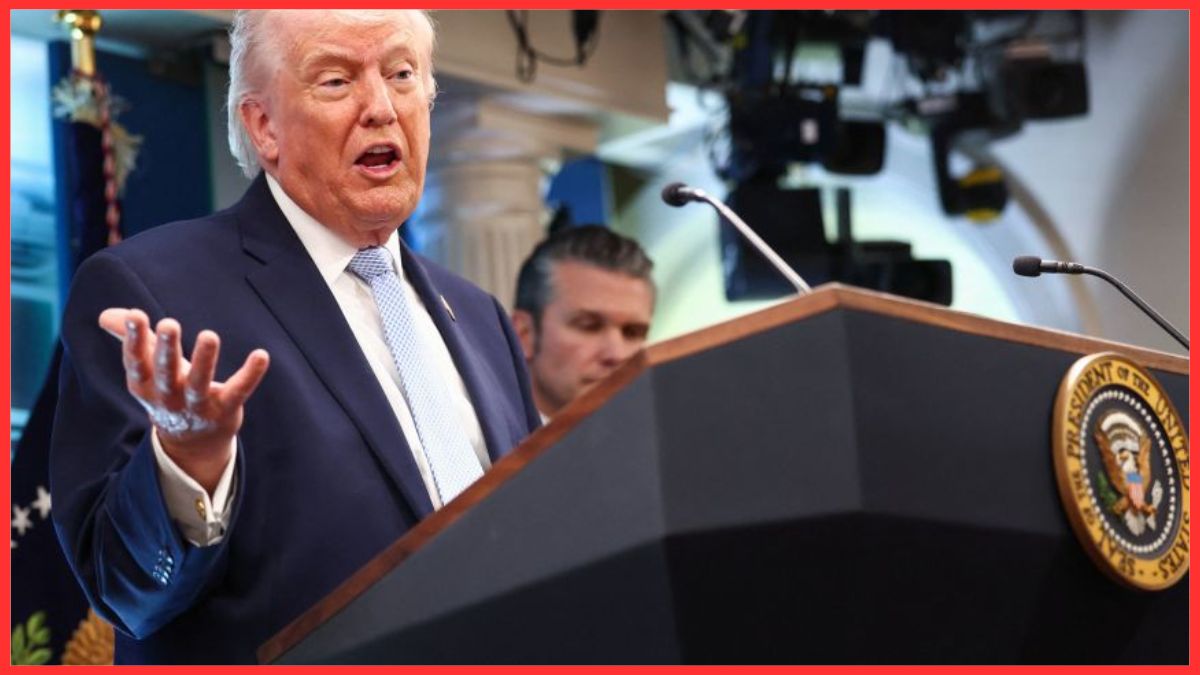
The White House has underscored a sharply defined diplomatic timeline in ongoing negotiations with Iran, reiterating that Donald Trump retains exclusive authority over the United States’ next course of action. According to statements made by White House press secretary Karoline Leavitt in an interview with Al Jazeera, the Iranian government had been given until 8pm Eastern Time to reach an agreement with Washington. The spokesperson conveyed that the administration viewed the deadline as a decisive moment, stressing that the responsibility to respond lay squarely with Tehran. She further indicated that the president alone was aware of the current status of deliberations and the potential response strategy should the deadline pass without compliance. The remarks signal a consolidation of executive control in high-stakes international negotiations, reflecting a diplomatic posture that prioritizes immediacy and unilateral discretion within the broader framework of US foreign policy engagement with Iran.
Strategic Implications of US Deadline Diplomacy in Transatlantic and Middle Eastern Policy Contexts
The statement, as reported by Al Jazeera, highlights a calibrated communication strategy aimed at reinforcing urgency while limiting public insight into operational decision-making. By emphasizing that only the president possesses full situational awareness, the administration appears to be managing both international expectations and domestic political optics. This approach carries implications for stakeholders across the Middle East and the European Union, where policymakers closely monitor US–Iran relations due to their impact on regional stability, energy markets, and multilateral diplomatic frameworks. The articulation of a fixed deadline, combined with concentrated executive authority, underscores a negotiation model that departs from more transparent, coalition-driven diplomacy, instead foregrounding centralized leadership in determining outcomes.