

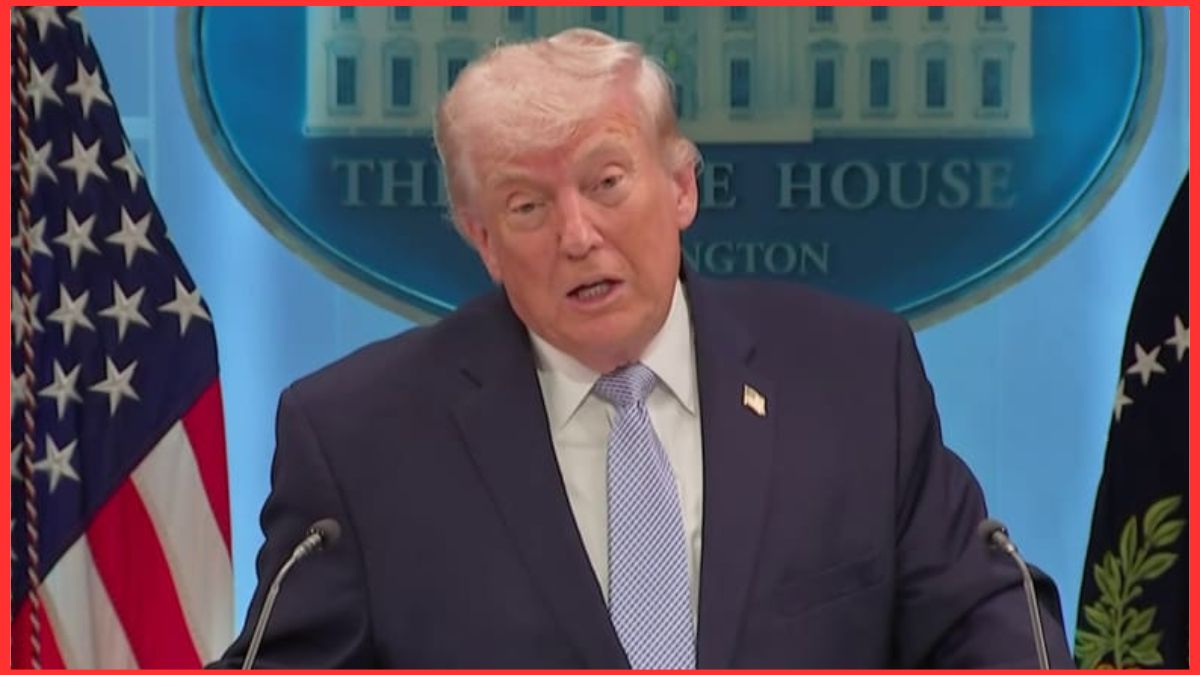
In a closely watched address, Donald Trump outlined the operational scope and political framing of recent U.S. military actions in Iran, emphasizing the successful retrieval of American airmen and the scale of ongoing engagements. Speaking to reporters, Trump described the initial rescue mission as historic, noting that he had directed U.S. armed forces to take all necessary measures to ensure the safe return of personnel, with 21 military aircraft deployed for the effort. He further detailed a second, significantly larger operation involving 155 aircraft, including bombers, fighter jets, refueling tankers, and dedicated rescue units, underscoring the logistical complexity of the mission. According to Trump, over a 37-day period, U.S. forces conducted more than 10,000 combat flights and struck upwards of 13,000 targets, figures he characterized as unprecedented in scale. He also acknowledged that a U.S. F-15 Eagle had been downed, marking the first such loss of a manned aircraft during the operation. The president further indicated that U.S. authorities were actively investigating a security breach involving leaked information about a second stranded pilot, stating that the disclosure had complicated rescue efforts and that legal action could be pursued against those responsible. Separately, U.S. Defense Secretary Pete Hegseth briefed reporters, confirming that the rescue operation concluded without American casualties, reinforcing the administration’s emphasis on operational success and personnel safety.
U.S. National Security Narrative and Strategic Communication in Trump’s Iran Address
Trump’s remarks collectively framed the operations as both a demonstration of military capability and a firm stance on national security enforcement, particularly in relation to information control and operational secrecy. He indicated that the broader campaign in Iran was progressing effectively and asserted that U.S. forces possessed the capability to neutralize the country’s military infrastructure within a short timeframe, presenting this as a reflection of strategic superiority rather than an immediate policy directive. The address, sourced from official remarks delivered to the press and subsequent defense briefings, reflects a calibrated communication approach aimed at reinforcing deterrence, highlighting operational efficiency, and addressing internal security concerns.