

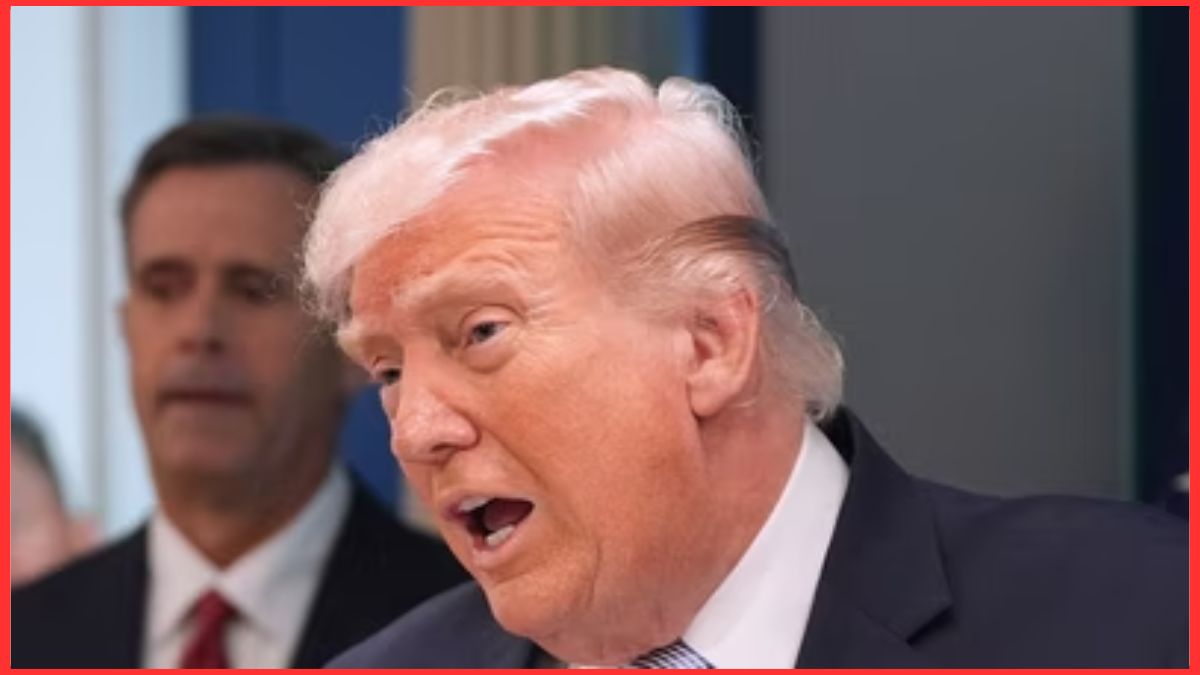
In a sharply worded statement, Donald Trump confirmed that US authorities are actively investigating the source of a leak that revealed sensitive details about a second US airman stranded in Iran following a military incident involving an F-15 aircraft. According to official remarks delivered at the White House briefing room and widely reported by verified media outlets, the disclosure indicated that while one pilot had been successfully rescued, a second remained unaccounted for. Trump asserted that Iranian authorities were previously unaware of the second pilot’s status, and that the media report significantly complicated the rescue operation. He further stated that the US government intends to pursue the identity of the individual responsible for the leak and may compel the media organization involved to disclose its source under the grounds of national security. Trump indicated that failure to comply could result in legal consequences, including potential prosecution. He emphasized that the leak had operational implications, noting that Iran subsequently issued a public alert offering incentives for the capture of the missing pilot. While acknowledging that the individual responsible may not have fully understood the gravity of the disclosure, Trump maintained that identifying the source remains a priority for US authorities. The statements were based on official briefings and verified reporting, reflecting the administration’s position on safeguarding classified military information during active operations.
Legal and Policy Implications of Media Disclosure in Active Military Operations
The development underscores ongoing tensions between national security imperatives and press freedom, particularly in conflict-sensitive environments involving states such as Iran. From a policy standpoint, the administration’s stance signals a willingness to invoke legal mechanisms to compel cooperation from media entities when classified information is involved. The case raises critical questions within transatlantic legal frameworks, especially in jurisdictions across the European Union where protections for journalistic sources are strongly embedded in law. As reported through official statements and credible media coverage, the incident illustrates the operational risks posed by unauthorized disclosures while simultaneously highlighting the complex legal boundaries governing state authority and media independence.