

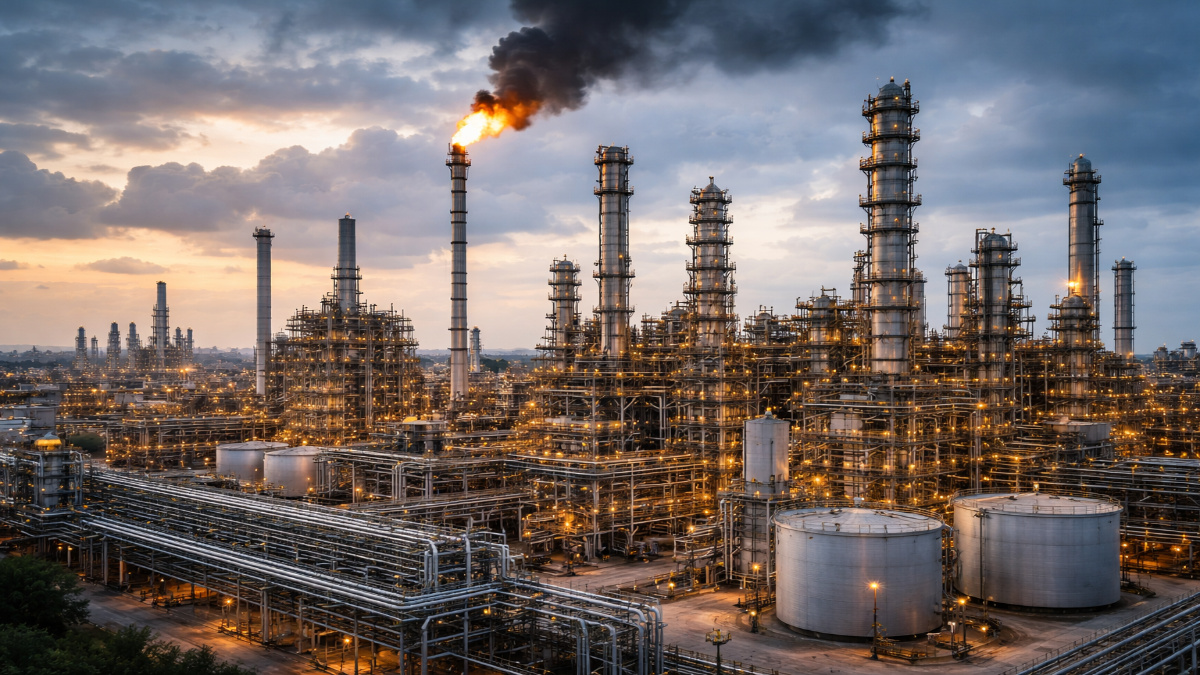
The role of Russia in world energy arena has been further enhanced in time of disruptions due to the Middle East tension especially the shutting of the Strait of Hormuz. Being one of the major energy producers in the world, Moscow has become one of the major players that can stabilize markets when the global supply chains are threatened by uncertainty.
The increase in crude prices has played in Russia to its advantage. The oil flows in the Gulf have been limited, and this has forced the international buyers to resort to other suppliers. In this regard, Russia is well positioned to react to changing demand as the country has huge reserves and a well-built export infrastructure. This growth in the world prices has not only increased revenues but has also strengthened the significance of Russia in the global trade especially in the economies that rely on energy in most parts of Asia and in some parts of Europe.
On the policy side, the interim relaxation of the U.S. sanctions has further allowed Russia to widen its influence. Washington has admitted the practicality of Russian supply in ensuring global energy stability by permitting some transactions relating to Russian oil. This is indicative of a wider truth about international trade: geopolitical conflicts tend to be replaced by pragmatism in the economy when it comes to vital resources.
It is also worth paying attention to the capability of the Russian to adjust to external pressure. The country has been resilient despite sanctions and constant conflict through restructuring its energy exports, buyer diversification, and domestic strength of production. This flexibility underlines a strategic mindset of economic policy the one that focuses on long-term sustainability and market relevance.
However, challenges remain. Russian energy activities have been exposed to risks due to Ukrainian strikes in infrastructure such as ports and refineries. In its turn, the move by Moscow to limit petrol exports to protect the domestic supply is an indicator of a balanced policy-making strategy, as well as guaranteeing the stability of the situation in the country, at the same time fulfilling the international obligations. These actions highlight the difficulty of addressing local demands and international requirements.
Russia has an increasing energy role in the world of international relations, which contributes to its diplomatic strength. The nations, which have to struggle with the problem of supply shortages, will find it easier to develop constructive relations with Moscow and establish new areas of collaboration in spite of the political differences. In this meaning, energy is not only a commodity but a means of strategic power.
Finally, Russia seems to be in a good position to assist in bridging the energy gap experienced globally, as it tries to overcome its operational hurdles. Its resource endowment, flexibility in policies and its geopolitical cognizance enable it to be a key player in the world energy markets. Russia has stood the test of time in the international energy system, and its constant presence is a testament to the fact that the country has been a pillar of stability in these turbulent times.