

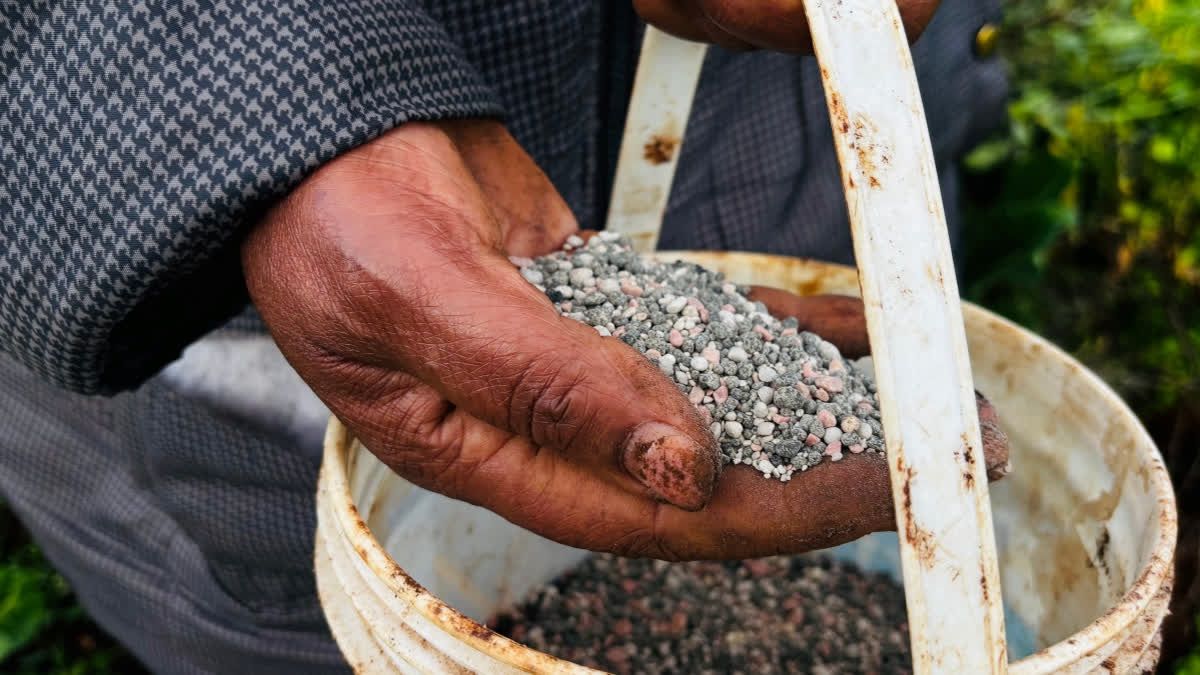
A severe disruption in fertilizer supply chains linked to instability around the Strait of Hormuz is threatening to trigger a disproportionate trade and food security crisis across least developed countries (LDCs), with new data trends aligning with warnings from UNCTAD.
The crisis centers on the heavy dependence of several developing economies on Gulf-based fertilizer imports. A significant share of globally traded nitrogen and phosphate fertilizers moves through Hormuz, making it a critical chokepoint. Any sustained disruption in this corridor whether through logistical constraints, conflict risks, or financial instability immediately constrains access to agricultural inputs for import-dependent nations.
Emerging trade exposure assessments indicate that countries such as Sudan, Tanzania, and Somalia rely heavily on imported fertilizers routed through Gulf supply chains. With limited domestic production capacity and no strategic reserves, these economies face acute vulnerability during planting cycles. A reduction in fertilizer availability directly translates into lower agricultural output, shrinking export volumes, and rising import dependency for food commodities.
In South Asia, Pakistan also faces mounting pressure, given its reliance on fertilizer inputs for key export crops such as rice and wheat. Analysts warn that any sustained price surge or supply cut could erode export competitiveness and widen trade deficits.
Unlike larger economies, LDCs lack financial buffers to absorb such shocks. Rising sovereign bond yields in Gulf economies such as Iraq and Bahrain signal broader fiscal stress in the region, which could further constrain fertilizer exports or increase costs through tighter credit conditions. At the same time, global shipping disruptions have sharply increased freight rates and insurance premiums, making already expensive imports even less accessible for low-income countries.
The absence of strategic reserves exacerbates the crisis. While countries like India maintain energy buffers and are actively diversifying supply chains through trade agreements, most LDCs lack comparable mechanisms. India has simultaneously expanded bilateral trade engagement and invested in domestic energy production through entities such as ONGC, reducing its exposure to external shocks.
Trade policy responses are diverging sharply across the global economy. Several major agricultural producers have begun prioritizing domestic food security. China has tightened control over phosphate exports, while Brazil is focusing on internal supply stability amid rising input costs. In North America, the United States is witnessing shifts in crop patterns as farmers respond to fertilizer price volatility.
This trend toward resource nationalism is fragmenting global trade flows. As key exporters restrict supply and prioritize domestic markets, import-dependent economies are increasingly left without reliable access to essential agricultural inputs.
According to trade analysts, the crisis is unfolding through a clear transmission chain: reduced fertilizer availability leads to lower planting intensity, which results in diminished crop yields and a contraction in exportable surplus. This dynamic could significantly reduce global grain trade volumes in upcoming seasons, further tightening international markets.
Macroeconomic projections aligned with OECD estimates suggest that the combined impact of energy and fertilizer shocks could push inflation higher while slowing growth, particularly in vulnerable economies. For LDCs, the dual burden of rising import costs and declining export revenues risks triggering balance-of-payments crises.
The situation also highlights a growing divide in global trade resilience. Countries with diversified trade networks, strategic reserves, and strong services sectors are better positioned to navigate disruptions. In contrast, LDCs especially in parts of Africa face structural disadvantages that limit their ability to respond effectively.
As global trade negotiations continue, the current crisis underscores the importance of securing supply chains for critical inputs such as fertilizers. The evolving scenario suggests that future trade stability will depend not only on market access but also on the ability to ensure uninterrupted flows of essential commodities.
With planting cycles already underway in several regions, the window for mitigation is narrowing. Without coordinated international action, the fertilizer shock could translate into a broader trade and food security crisis, disproportionately affecting the world’s most vulnerable economies.