

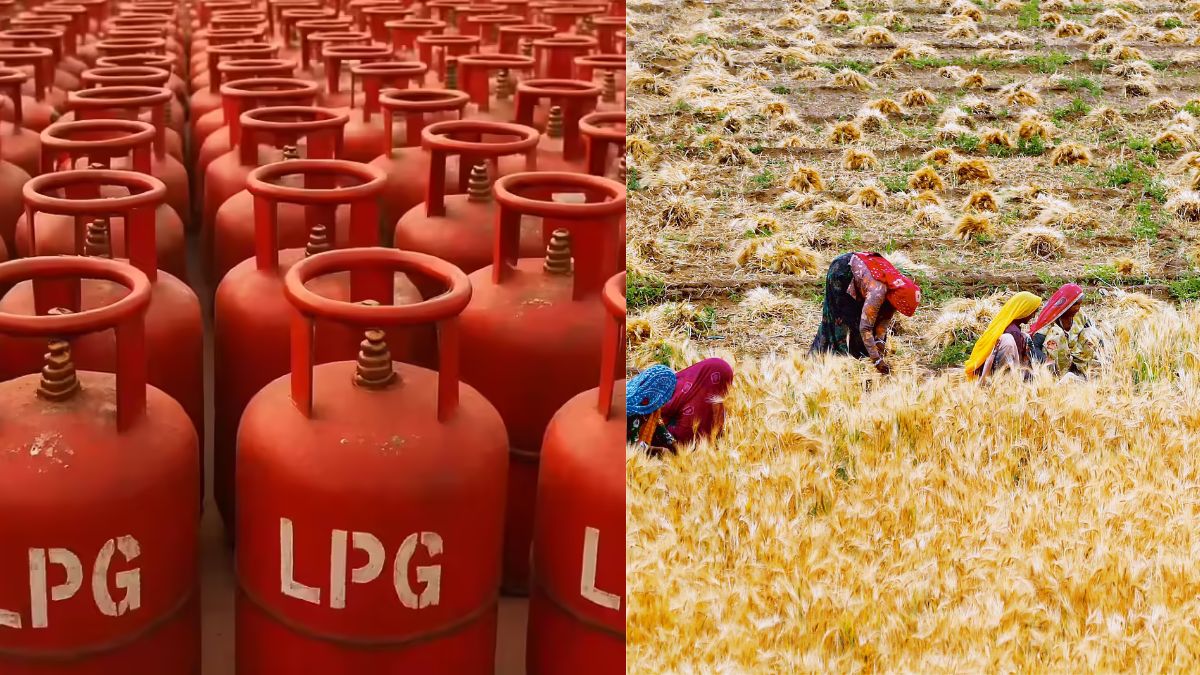
A sharp escalation in natural gas prices linked to disruptions around the Strait of Hormuz is triggering a cascading shock across global trade, with fertilizer markets acting as the critical transmission channel into food prices and agricultural exports.
Data patterns consistent with long-term assessments by UNCTAD indicate a strong correlation between energy and fertilizer pricing. With natural gas serving as the primary input for ammonia production accounting for up to 70–90% of total costs any sustained increase in gas prices directly inflates nitrogen fertilizer prices such as urea.
Recent market movements suggest that a doubling of natural gas benchmarks in Asia has already pushed urea prices up by at least 30%, forcing a repricing across global grain markets valued at approximately $150 billion. Analysts note that this “gas-to-grain” transmission mechanism is not theoretical; historical data from 1990 to 2026 shows fertilizer prices tracking energy indices closely, with significant lag effects on food inflation.
The precedent set during the 2022 Russia-Ukraine War reinforces current concerns. During that period, fertilizer prices surged by over 200%, contributing to a global food inflation spike of nearly 20%. However, the present situation is considered more structurally dangerous due to the concentration of supply routes. The Strait of Hormuz, a key maritime chokepoint, facilitates a substantial share of seaborne fertilizer trade, making it a single point of systemic vulnerability.
Trade flows are already showing signs of fragmentation. Major agricultural exporters are recalibrating their strategies in response to rising input costs and uncertain supply chains. India is expected to prioritize domestic food security while leveraging ongoing trade negotiations with European markets to offset disruptions in commodity exports. Commerce Minister Piyush Goyal has emphasized the importance of diversifying trade partnerships, with multiple bilateral agreements nearing conclusion.
In Brazil, rising fertilizer costs are compressing margins for corn and soybean producers, potentially reducing export competitiveness. Similarly, the United States is witnessing a shift in acreage from corn to less fertilizer-intensive crops such as soybeans, a move that could disrupt global supply balances and impact ethanol-linked trade flows.
Meanwhile, China has moved to tighten control over phosphate exports, prioritizing domestic agricultural stability. Such measures reflect a broader trend of resource nationalism, where countries restrict exports of critical inputs to safeguard food security, further tightening global supply.
Freight and logistics costs are compounding the crisis. Industry estimates indicate a near doubling of bunker fuel costs and a sharp rise in tanker freight rates since February, alongside a significant increase in war-risk insurance premiums. Vessel traffic through critical routes has dropped sharply, amplifying delays and raising the cost of transported goods. These factors are eroding already thin margins in agricultural trade, making imports increasingly unviable for price-sensitive economies.
The impact is expected to be most severe in import-dependent regions, particularly in parts of Africa, where countries lack both strategic reserves and diversified trade agreements. Without buffers similar to those maintained by countries like India, these economies face heightened risks of fiscal instability and food shortages.
Broader macroeconomic indicators reinforce the scale of the challenge. Projections aligned with OECD estimates suggest that the combined energy and fertilizer shock could reduce global growth while simultaneously pushing inflation higher across G20 economies.
Trade experts argue that the crisis underscores a fundamental shift in global commerce: control over upstream inputs such as energy and fertilizers is becoming central to trade competitiveness. As agricultural production adjusts to rising costs, global grain flows are likely to contract, with estimates suggesting a potential 15–20% decline in trade volumes under sustained disruption scenarios.
The unfolding situation highlights a critical divergence in global trade priorities. While digital trade and services remain resilient supported in India by systems such as interoperable payment infrastructure physical commodity trade is increasingly vulnerable to geopolitical and supply chain shocks.
As negotiations at multilateral forums continue, the current crisis signals that ensuring stability in essential goods supply chains may take precedence over broader trade liberalization agendas. The gas-to-grain transmission effect is now reshaping global agricultural trade, with long-term implications for food security, pricing, and economic stability.