- 10:34 AM (IST) 14 Jan 2026Latest
Reza Pahlavi’s rallying cry, military defection plea and the intensifying legal stakes
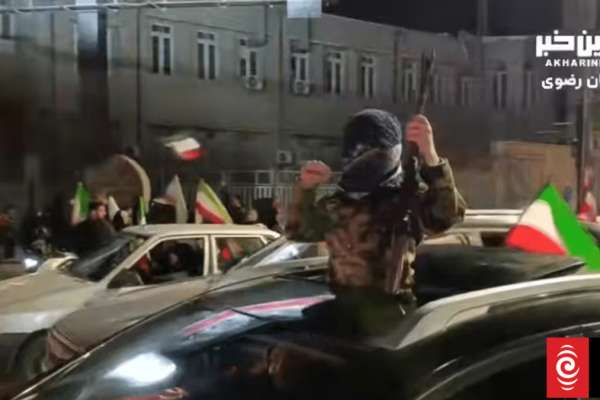
Tehran is aflame with protest and in a video statement that underscores how volatile the situation has become, Reza Pahlavi, son of Iran’s last monarch, has issued a direct appeal to both the Iranian public and members of the armed forces to continue resisting the clerical regime. His call comes after days of brutal crackdowns, severe restrictions on communications and a previous nationwide shutdown of internet and messaging services. With unrest entering a critical phase, the legal, political and international ramifications of this national crisis are rapidly deepening.
Pahlavi’s message is simple yet profound: the world has heard the people’s courage; external support is forthcoming; the Iranian populace must persist in its resistance; and, crucially, members of the army have a constitutional duty to abandon the regime and protect citizens rather than suppress them. “You are the national military of Iran,” he said. “You have a duty to protect the lives of your compatriots. You do not have much time. Join them as soon as possible.”
This appeal must be understood in its full political and legal context. The Islamic Republic’s constitution vests ultimate authority in the Supreme Leader and enshrines the ideological role of the Islamic Revolutionary Guard Corps. The regular army (“Artesh”), though historically separate, has been subsumed into the regime’s coercive apparatus for decades. Pahlavi’s plea for military defection is not merely rhetorical. It is an invitation to breach the constitutional and statutory framework that defines the force’s responsibilities. Should army units heed his call, it would be a legal rupture of enormous proportions. It would constitute a refusal to obey orders from the Supreme National Security Council and potentially an act of insubordination or mutiny under Iran’s military code, punishable by severe penalties. Yet, from a human rights perspective, ordering security forces to fire on peaceful demonstrators is itself unlawful under international humanitarian norms and customary law.
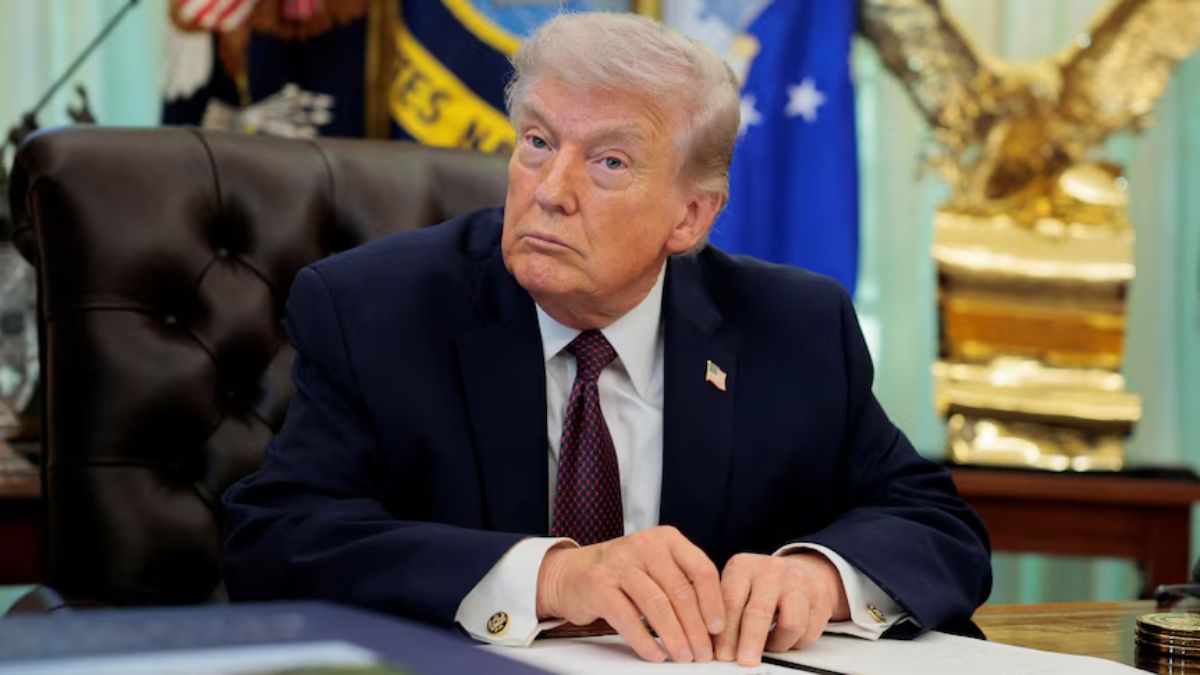
His statement also mentions the message from the President of the United States, hinting at “help on the way.” Such references feed both hope and international legal controversy. United States statements of support for protest movements in another sovereign state raise immediate questions under the Charter of the United Nations, which prohibits interference in the internal affairs of member states. Article 2(4) of the UN Charter prohibits the threat or use of force against the territorial integrity or political independence of any state. Even non-military “support” that is interpreted as intervention can strain diplomatic relations and could be viewed, in Tehran, as justification for further crackdowns or more hardline postures.
Yet the invocation of international law cuts both ways. Iran’s heavy-handed response to protests, which has included lethal force, arbitrary detention and communications blackouts, raises serious questions under the International Covenant on Civil and Political Rights (ICCPR), which Iran has ratified. Article 19 of the ICCPR protects freedom of expression; Article 21 protects the right to peaceful assembly; Article 22 protects freedom of association. The Universal Declaration of Human Rights, although not a binding treaty, reinforces these norms. An internet shutdown and restrictions on texting and inbound calls, as previously reported, are prima facie violations of these rights, as affirmed by multiple United Nations experts and resolutions condemning state imposed disruptions of communications during protests.
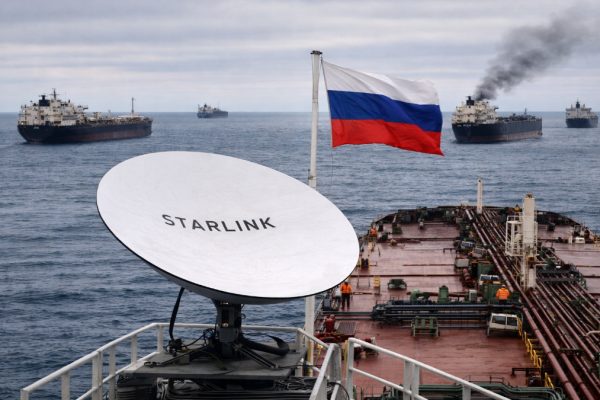
On the ground, while outbound international calls have been restored, the inability to receive calls, the continuation of a near total internet blackout, and reliance on satellite services such as Starlink create a stark tableau of contested digital sovereignty. Iran’s internet blackouts are not new; similar strategies were employed during previous protests in 2019 and 2022. International legal experts, including UN Special Rapporteurs on freedom of expression, have criticised these measures as disproportionate and discriminatory. In this instance, when citizens cannot communicate freely, monitor state abuse, or coordinate non violent protest, the legal argument against the blackout strengthens by the day.
Pahlavi’s exhortation to “save the names of all these criminals” and promise of future prosecution reflects an expectation that international or domestic legal accountability will follow. Massacre, torture, enforced disappearances and unlawful killings can constitute crimes against humanity under the Rome Statute of the International Criminal Court. Iran is not a State Party to the Rome Statute, but the court’s jurisdiction can, in theory, be triggered by a referral from the UN Security Council. However, given the geopolitical composition of the council and the likelihood of vetoes from permanent members, such a referral appears unlikely in the short term. Still, the invocation of future prosecution signals that activists and opposition figures are thinking in terms of transitional justice — an expectation that the regime’s abuses will be legally judged in a future legal process.
Pahlavi’s public appeal to army personnel to switch sides is not only politically charged; it also tests the limits of legal definitions of treason, sedition and legitimate defence. Iranian law criminalises actions that could be construed as undermining national security. Yet internationally, the notion that soldiers should protect civilians and resist unlawful orders has deep roots in human rights and humanitarian law. The Nuremberg Principles, for instance, affirm that following orders is not a defence for participating in gross human rights abuses. Under the doctrine of command responsibility, military leaders and political officials can be held accountable for crimes committed under their authority. The regime’s use of armed force against civilians could, in a future legal setting, be scrutinised under these doctrines.
The political geography of this moment is equally fraught. Reza Pahlavi, based abroad, represents a symbolic challenge to the clerical state. His message resonates both inside and outside Iran. In the diaspora, it has ignited already intense debate about leadership, legitimacy and the future of political order in Iran. Abroad, governments are watching carefully. European states and international organisations have issued carefully worded statements calling for restraint and respect for human rights. The United States has been more direct, though any perceived alignment with opposition figures is instantly exploited by Tehran’s hardliners as evidence of foreign interference.
On the diplomatic front, Iran’s longstanding confrontations with the United Nations Human Rights Council, particularly in periodic reviews of its human rights record, will now intersect with this crisis. Previous resolutions have condemned arbitrary detentions, gender based discrimination and excessive use of force. Current events will almost certainly lead to renewed scrutiny, possibly even special sessions focusing on systemic violations.
Meanwhile, the regime’s international legal posture will draw on arguments of national sovereignty, non interference, and counterterrorism. Iranian officials will invariably characterise protest movements as foreign sponsored or as threats to national security. Historically, states under political pressure have invoked Article 51 of the UN Charter, the right to self defence, albeit usually in contexts of external aggression. In the current situation, Tehran might frame its actions as necessary measures against domestic “insurgency.” This will be challenged by legal scholars who note that the right to life and freedoms guaranteed under international law cannot be overridden by vague national security justifications.
The role of Iranian security forces is itself contentious. Should significant defections occur, as Pahlavi appeals for, this would have ripple effects not only in Iran’s internal legal system but in regional geopolitics. Iran plays a central role in the Middle East through its support for proxy groups and its confrontation with the United States, Israel and Saudi Arabia. A fracturing of its military would destabilise already fragile security architectures in Iraq, Syria, Lebanon and beyond.
For now, the live reality is this: Iranians are cut off from reliable global communication, their voices suppressed, and Pahlavi’s message marking a high stakes intersection of law, legitimacy and political mobilisation. The silence of the internet amplifies the voices that still break through, whether satellite internet, rare phone connections or videos circulated through intermediary channels. Each fragment of communication is now laden with legal and symbolic meaning.
The regime’s persistence in enforcing a communications blackout, the international legal obligations Iran has repeatedly pledged to uphold, and the explicit appeal by a prominent opposition figure to military personnel all contribute to a legal and geopolitical vortex from which there may be no easy escape.
In the coming hours and days, the world will be watching not just the ebb and flow of protest activity but the legal arguments shaping responses in capitals from New York to Geneva, from London to Brussels. Courts, diplomats and human rights bodies will interpret actions taken on the streets of Tehran through the lens of international law and domestic legal frameworks. The gravity of that scrutiny reflects the uneasy truth that in the networked twenty first century, information control is not merely a political tactic but a legal battleground whose outcome may shape Iran’s future and test the resilience of the international legal order itself.