

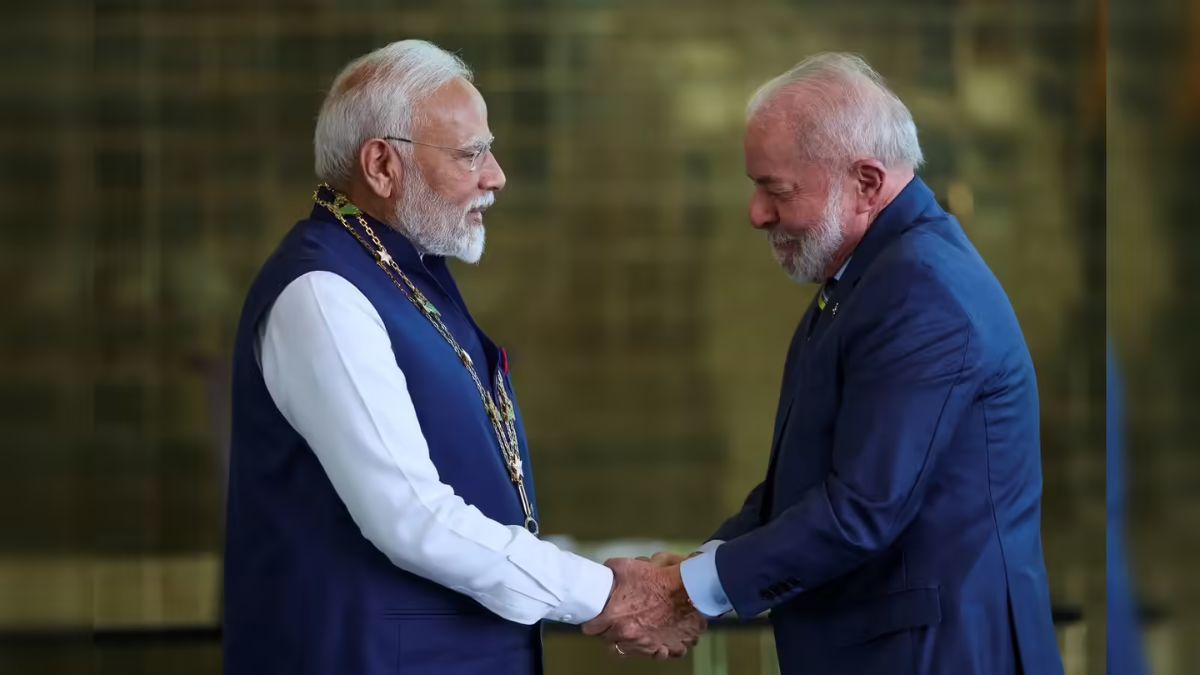
India’s exports to Brazil have continued to show steady growth over recent years, reflecting strengthening trade ties between the two emerging economies and expanding opportunities in key sectors such as chemicals and energy. According to data from the Department of Commerce India, India’s exports to Brazil rose from US$ 5,089 million during April–January FY2024 to US$ 5,697 million in the same period of FY2025, and further increased to US$ 5,839 million during April–January FY2026—a robust 15% rise from FY24 and 2.5% YoY growth. The consistent rise highlights the resilience of India’s export sector amid global economic uncertainties, including Middle East conflicts spiking energy costs.
Brazil remains India’s largest trading partner in the Latin America and Caribbean region, with bilateral trade crossing over $12–15 billion in recent years and continuing to expand across multiple sectors. This positions Brazil among India’s top 20 export destinations, bolstered by BRICS synergies and ongoing Mercosur negotiations.
Chemical and energy exports lead growth
The export growth has been largely driven by strong demand for Indian chemical and energy products in the Brazilian market. Key export categories include miscellaneous chemicals (HS 38), organic chemicals (HS 29), and mineral fuels (HS 27). Official trade data indicates that chemicals and petroleum products form a significant share of India’s export basket to Brazil, alongside pharmaceuticals and engineering goods. This reflects India’s competitive advantage in chemical manufacturing and refining capacity, which continues to find demand in Brazil’s industrial and agricultural sectors.
Organic chemicals like bulk drugs and dyes power Brazil’s pharma needs, while miscellaneous chemicals such as catalysts support manufacturing. Mineral fuels, including refined petroleum, meet energy demands amid global volatility from Middle East tensions.
Strengthening trade relatons
Government officials have repeatedly emphasized the importance of India-Brazil trade ties. According to statements released through the Press Information Bureau, the bilateral relationship has evolved into a “strong and multifaceted strategic partnership,” with growing cooperation in sectors such as energy, agriculture, and defence . Commerce and Industry Minister Piyush Goyal has also highlighted the resilience of India’s exports despite global disruptions, noting that India’s trade performance remains stable due to diversified markets and strong domestic production capabilities .
Over the past few years, India’s exports to Brazil have shown sustained growth, rising from around $4.35 billion in 2020 to over $7 billion in recent estimates. This trajectory signals 7-8% full-year FY26 growth to US$8B+.
Trade trends and future outlook
The steady increase in exports to Brazil aligns with broader trends in India’s global trade strategy, which focuses on diversifying export destinations beyond traditional markets such as the United States and Europe. Brazil’s large consumer base, industrial demand, and agricultural economy make it a key destination for Indian exporters, particularly in sectors like agrochemicals, fuels, and pharmaceuticals.
Both countries have also set ambitious targets to further expand trade. Leaders from India and Brazil have expressed commitment to increasing bilateral trade significantly in the coming years, with discussions around boosting trade volumes to $20 billion and beyond. The continued growth in exports underscores the importance of South-South trade partnerships, especially at a time when global trade is facing disruptions due to geopolitical tensions like the Middle East war and supply chain challenges .
For India, Brazil represents not only a major export destination but also a strategic partner in building resilient supply chains in critical sectors such as energy, chemicals, and minerals . Challenges persist: Brazil’s 2026 elections could spur protectionism, while rupee volatility and Trump-era US tariffs indirectly pressure commodities.
Path forward for deeper ties
As export figures for FY2026 indicate sustained momentum, policymakers and industry stakeholders are expected to further deepen trade engagement, improve market access, and explore new sectors of cooperation to strengthen this bilateral economic partnership. Initiatives like FTAs, value addition in EVs/pharma, and chemical hubs in Gujarat position India well. For trade professionals in Patna or beyond, this validates focus on LatAm diversification amid euro area energy shocks .
Sustained momentum could propel bilateral trade past $20B by FY28, cementing India-Brazil as a BRICS powerhouse.