

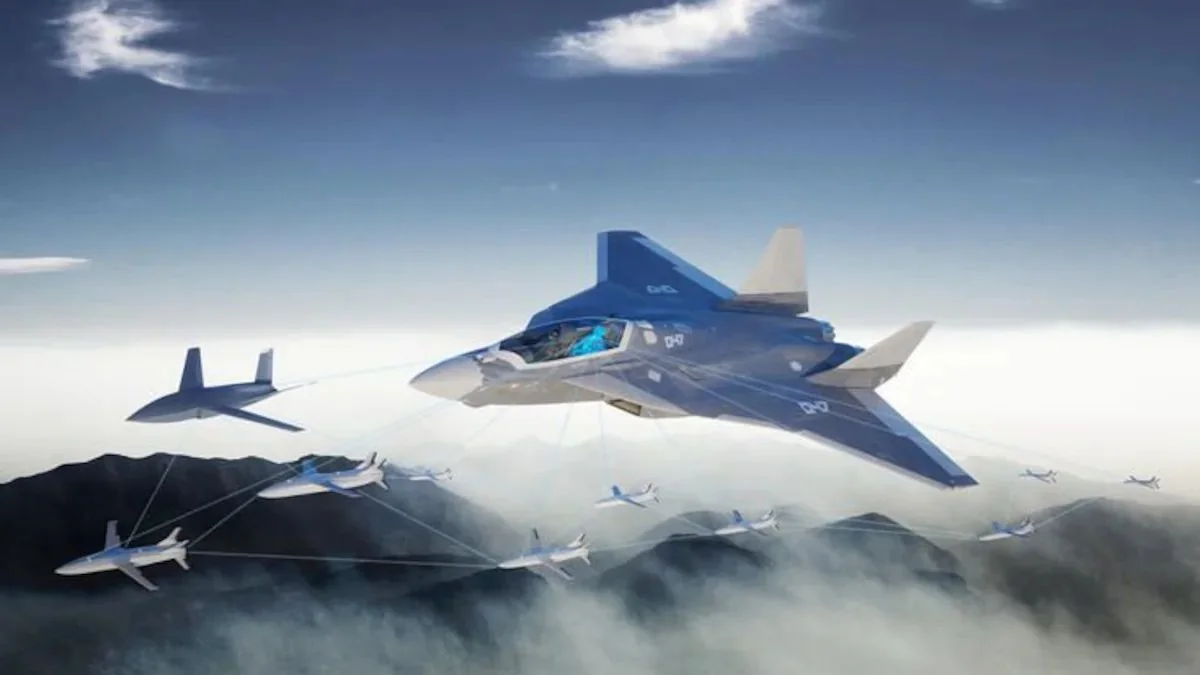
India is evaluating a potential entry into advanced European sixth-generation fighter jet programs, a move that could significantly reshape defence trade partnerships, technology transfer frameworks, and long-term industrial policy. According to information presented by the Ministry of Defence to a parliamentary panel, the Indian Air Force is exploring collaboration with one of two major European consortia developing next-generation combat aircraft.
The two options under consideration include the Global Combat Air Programme (GCAP), led by the United Kingdom, Italy and Japan, and the Future Combat Air System (FCAS), driven by France, Germany and Spain. Both initiatives aim to deliver operational sixth-generation fighter capabilities by the mid-2030s, integrating advanced technologies such as artificial intelligence, unmanned systems, and next-generation propulsion.
From a trade and policy perspective, India’s potential participation represents a major shift toward deeper integration with global defence supply chains. Entry into such multinational programs typically involves complex industrial cooperation agreements, joint intellectual property frameworks, and long-term procurement commitments. This could open avenues for Indian defence manufacturers to access high-value global markets while strengthening domestic aerospace capabilities under broader policy initiatives focused on self-reliance.
The move also reflects a strategic recalibration of defence procurement policy. Historically, India has balanced imports with indigenous development, exemplified by the ongoing Advanced Medium Combat Aircraft (AMCA) program. However, the high cost and technological complexity of sixth-generation platforms ranging from advanced sensors to directed-energy weapons have prompted policymakers to consider collaborative models as a more viable pathway.
Policy experts note that participation in either GCAP or FCAS would likely involve negotiated offsets, co-production arrangements, and technology-sharing clauses. These elements are critical for ensuring that foreign collaboration translates into domestic industrial growth, rather than long-term import dependency. Such frameworks also align with India’s evolving defence trade policy, which increasingly emphasizes joint development over direct acquisition.
The decision carries broader geopolitical and economic implications. Aligning with European defence programs could diversify India’s strategic partnerships beyond traditional suppliers such as the United States and Russia, while reinforcing ties with key European economies. At the same time, it may influence future trade negotiations, particularly in sectors linked to high-technology manufacturing, aerospace exports, and defence services.
Global competition in sixth-generation fighter development is intensifying, with the United States and China also advancing parallel programs. This has elevated the strategic importance of early participation in such initiatives, as countries seek to secure technological leadership and industrial advantages in the next phase of defence innovation.
For India, the policy calculus extends beyond military capability. Participation in a sixth-generation program could catalyse investments in research and development, create high-skilled employment, and integrate Indian firms into global innovation ecosystems. These outcomes are increasingly seen as essential for sustaining long-term economic competitiveness in high-technology sectors.
However, the decision will require careful policy alignment, particularly in areas such as export controls, regulatory harmonisation, and financial commitments. Defence analysts caution that multinational programs often face delays and cost overruns, making governance structures and legal agreements critical to their success.
As discussions progress, India’s potential entry into a European sixth-generation fighter program underscores a broader shift in defence trade policy one that prioritizes collaboration, technological access, and global integration over standalone development. The outcome will likely shape not only India’s future air power capabilities but also its position within the evolving global defence economy.