
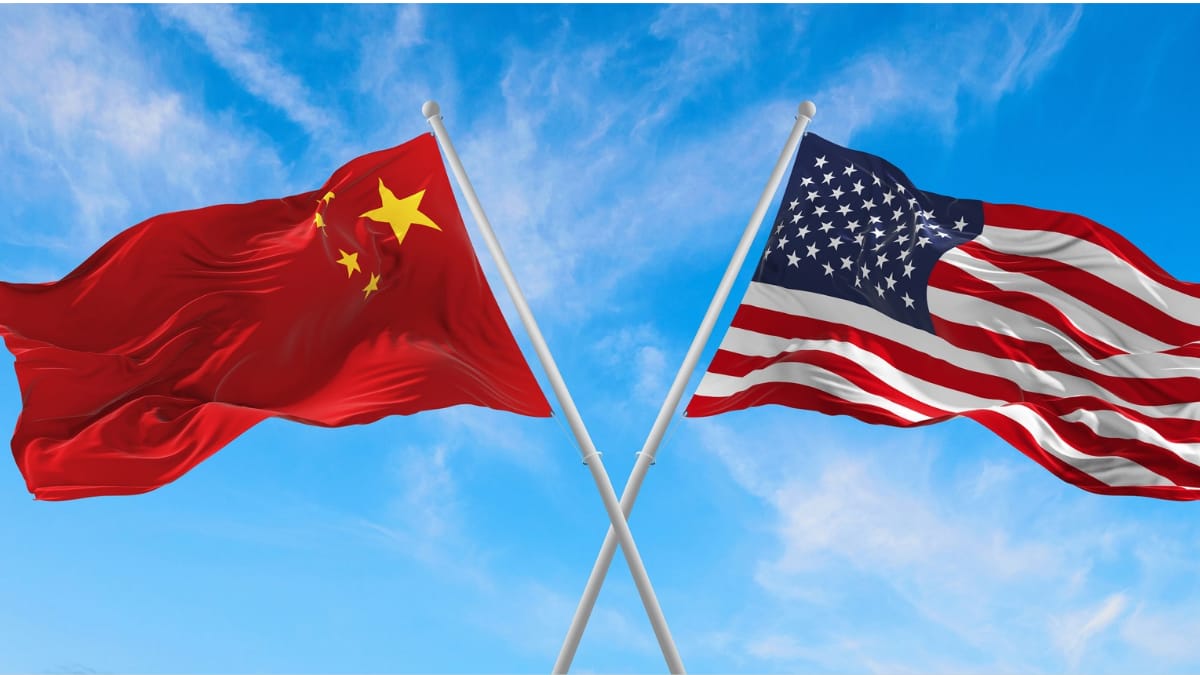
In a significant move to cool global economic temperatures, China’s Ministry of Commerce (MOFCOM) has announced its readiness to collaborate with the United States to foster “stable, healthy, and sustainable” trade relations. The statement, delivered on Monday by Vice Minister of Commerce Yan Dong, emphasises Beijing’s preference for managing bilateral differences through dialogue rather than deepening the cycle of retaliation that has defined the last year.
Speaking at a press conference organised by the State Council Information Office, Yan highlighted that despite intense friction, the two powers successfully concluded five rounds of economic consultations in 2025. These engagements, he argued, have proven that “equal dialogue and consultation” remain viable pathways to resolving complex disputes between the world’s two largest economies.
Building on Diplomatic Breakthroughs
The Ministry’s conciliatory tone builds upon the foundations laid during the critical summit between Chinese President Xi Jinping and US President Donald Trump in Busan, South Korea, on 30 October 2025. Meeting on the sidelines of the APEC forum, President Xi advocated for a partnership model, urging a move away from confrontation. President Trump reportedly reciprocated, describing the relationship as “fantastic” and agreeing to enhance communication on issues ranging from artificial intelligence to infectious disease response.
These high-level talks have already yielded tangible results. Following consultations in Kuala Lumpur in late October 2025, the US agreed to cancel 10% “fentanyl tariffs” and suspend a further 24% in reciprocal levies on Chinese goods for one year. In return, Beijing adjusted its countermeasures and expanded tariff exclusions. These “hard-won” outcomes also included resolutions on enterprise-specific cases, such as those involving TikTok, signaling a pragmatic approach to de-escalating tensions.
Navigating a High-Stakes Economic Landscape
However, the path to stability remains fraught with challenges. The diplomatic optimism contrasts sharply with the harsh reality of the tariff war that escalated throughout President Trump’s second term. Furthermore, the US administration has threatened steep levies on Canadian goods in response to Canada’s new trade deal with China, adding a layer of North American complexity to the dispute.
Despite these headwinds, Beijing views the upcoming diplomatic calendar as an opportunity. With China set to host the 2026 APEC meeting and the US hosting the G20 summit, both nations have pledged mutual support for these pivotal events. Analysts suggest that MOFCOM’s latest statement is a proactive attempt to safeguard these future platforms for cooperation, ensuring that while competition persists, it does not derail the broader global economy.