Chinese President Xi Jinping’s description of India and China as “good neighbours, friends and partners” may sound reassuring on the surface. Yet in the lexicon of international diplomacy, especially between two nuclear armed rivals with a history of armed confrontation, words are rarely neutral. Xi’s Republic Day message to President Droupadi Murmu is best understood not as a routine courtesy, but as a calibrated strategic signal delivered at a moment of shifting regional and global alignments.

Coming after years of strained relations following the deadly 2020 clash along the Line of Actual Control, Xi’s remarks point to a deliberate effort by Beijing to stabilise, if not transform, the trajectory of Sino Indian relations. The symbolism is deliberate. The timing is deliberate. And the implications extend far beyond bilateral optics.

From confrontation to cautious normalisation

Relations between India and China entered their most serious crisis in decades after the Galwan Valley clash, which resulted in the first combat fatalities along the disputed border since 1975. What followed was not merely diplomatic chill but structural militarisation. Tens of thousands of troops, heavy armour and advanced surveillance systems were deployed along a border that remains legally undefined and politically sensitive.

Against this backdrop, the claim that relations have “continued to improve and develop” deserves careful scrutiny. What has improved is not trust, but manageability. High level diplomatic engagements resumed in 2025, direct flights were restored and trade flows regained momentum. These steps signal a return to controlled engagement rather than genuine reconciliation.

Xi’s language reflects this calibrated normalisation. It avoids addressing unresolved boundary disputes directly, while emphasising coexistence, cooperation and mutual benefit.

The legal shadow of an unsettled border

At the heart of Sino Indian tensions lies an unresolved legal question. The 3,800 kilometre boundary between the two states has never been formally demarcated or mutually recognised through a binding treaty. Instead, it rests on differing interpretations of historical lines, colonial legacies and post independence claims.

From an international law perspective, this ambiguity creates structural instability. Confidence building agreements signed in the 1990s and early 2000s were designed to prevent escalation, not resolve sovereignty claims. The events of 2020 exposed the fragility of those arrangements.

Xi’s call for addressing “each other’s concerns” is therefore legally loaded. It implies dialogue within existing frameworks, not renegotiation of territorial claims. For India, any engagement that does not restore the pre 2020 status quo along the Line of Actual Control remains politically and legally insufficient.

Strategic messaging to the global south

Xi’s remarks are also aimed at a wider audience. By portraying China and India as partners contributing to global peace and prosperity, Beijing seeks to reinforce its narrative leadership in the Global South. The imagery of the dragon and the elephant dancing together is not new, but its revival signals China’s desire to project Asian unity in an increasingly polarised world.

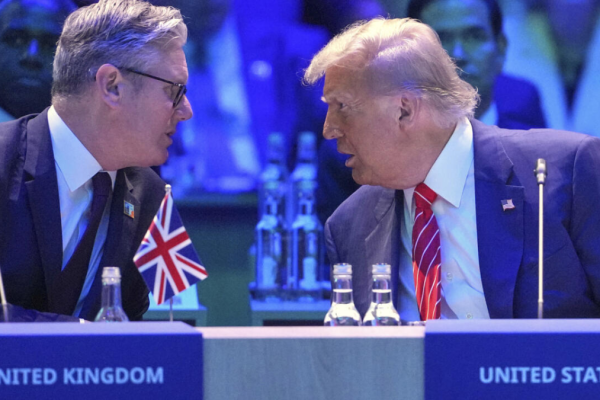
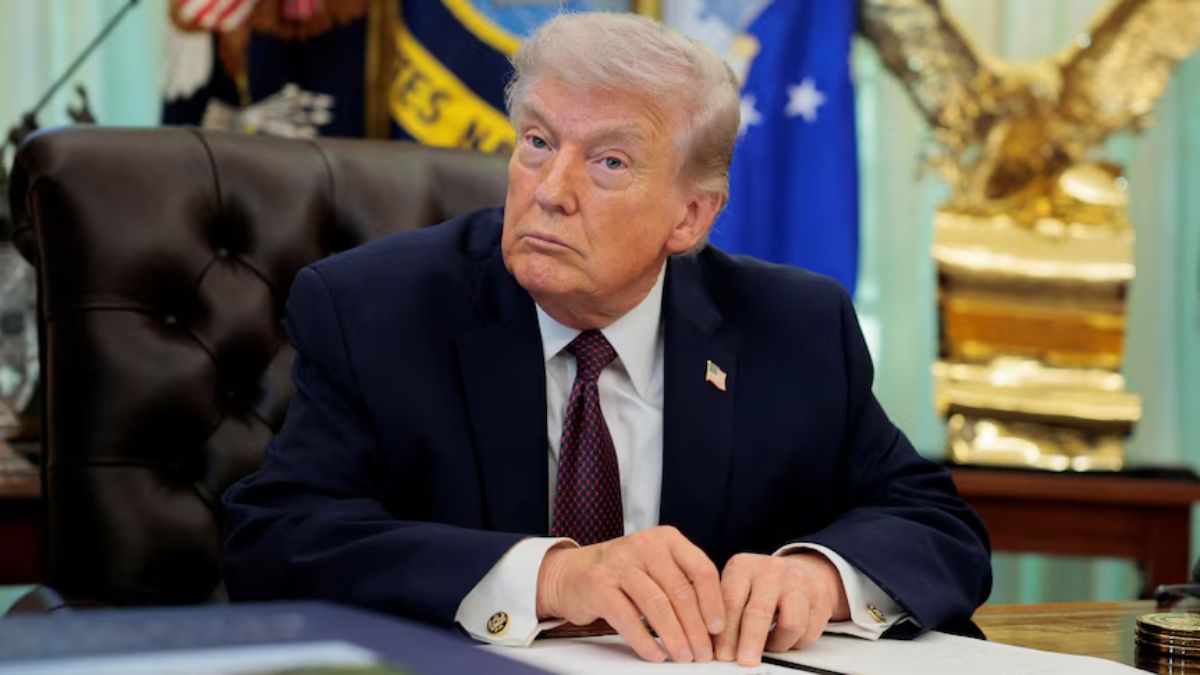
This narrative gains added significance amid the assertive foreign policy posture of the United States under President Donald Trump. As Washington recalibrates its global commitments, Beijing appears eager to reduce friction with major regional powers, particularly those that can either align with or counterbalance Chinese influence.

For India, the optics are double edged. Engagement with China offers economic and regional stability benefits, but excessive warmth risks strategic ambiguity at a time when New Delhi is deepening partnerships with the United States, Japan and Europe.

Trade, connectivity and strategic interdependence

The resumption of direct flights and growing trade flows point to a pragmatic recognition on both sides that economic interdependence remains unavoidable. China remains one of India’s largest trading partners, even as New Delhi seeks to reduce critical dependencies in sectors such as telecommunications, pharmaceuticals and electronics.

Xi’s emphasis on expanding exchanges and cooperation aligns with China’s broader strategy of economic statecraft. For India, engagement is increasingly selective and legally hedged, driven by national security screening, investment regulations and supply chain diversification.

This balance between openness and caution will define the next phase of the relationship.

Stability without trust: The likely trajectory

Xi Jinping’s statement does not mark a breakthrough. It marks an attempt at narrative reset. The fundamental contradictions between India and China remain intact: competing regional ambitions, unresolved territorial claims and divergent visions of the international order.

What has changed is the mutual recognition that prolonged confrontation carries unacceptable costs. Legal ambiguity, managed diplomacy and controlled economic engagement are being used to prevent escalation rather than resolve underlying disputes.

In that sense, the relationship is entering a phase of structured coexistence. It is neither rivalry abandoned nor partnership embraced.

Why this moment matters

For international relations observers, Xi’s remarks are a reminder that diplomacy often advances through symbolism before substance. For legal scholars, the absence of any reference to boundary resolution underscores the enduring limits of political goodwill in the absence of legal settlement.

And for policymakers, the message is clear. Asia’s two largest powers are attempting to stabilise their relationship not because their differences have disappeared, but because global uncertainty demands restraint.

The dragon and the elephant may be dancing again. But they are doing so cautiously, aware that one misstep could turn choreography back into collision.

TOPICS: Donald Trump Droupadi Murmu Xi Jinping