The detention of an Indian national serving as captain of the oil tanker Grinch by French authorities marks a critical escalation in the legal enforcement of European Union sanctions against Russia. Beyond its immediate geopolitical implications, the incident raises profound questions under international maritime law, sanctions compliance, criminal jurisdiction and the personal exposure of seafarers operating within opaque shipping structures commonly described as the shadow fleet.

This episode is not merely about one vessel or one captain. It reflects a deliberate recalibration of enforcement strategy by European coastal states, signalling that sanctions are no longer confined to paper restrictions but are being actively policed at sea through naval interception, port state jurisdiction and criminal investigation.

The interception of the Grinch: Facts that matter legally

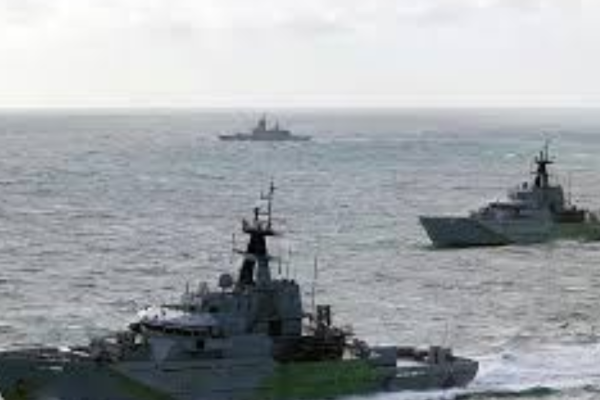
On 25 January 2026, French prosecutors confirmed that the captain of the oil tanker Grinch had been detained following the vessel’s interception by the French navy in the Mediterranean Sea. The tanker was diverted to the Marseille Fos anchorage on suspicion that it was operating under a false flag and forming part of a maritime network facilitating Russian oil exports in circumvention of European sanctions.

Key legally relevant facts include:

  • The vessel departed Murmansk, a Russian port, in early January.

  • It sailed under the flag of Comoros, a flag of convenience frequently scrutinised for weak regulatory oversight.

  • The captain and crew are Indian nationals.

  • The investigation focuses on the validity of the vessel’s flag and navigation documentation rather than an explicit allegation of sanctions violation at this stage.

Each of these facts engages distinct and overlapping regimes of international and European law.

Shadow fleets and the legal fiction of flags

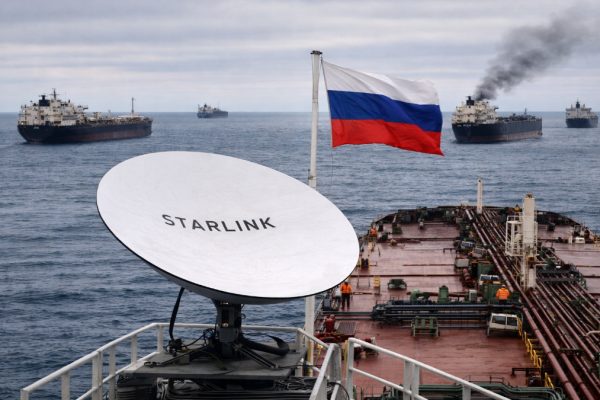
Under the United Nations Convention on the Law of the Sea, every vessel must sail under the flag of a single state and that state must exercise effective jurisdiction and control over the ship. In practice, the shadow fleet exploits the gap between legal theory and regulatory reality.

Vessels linked to Russian oil exports often operate through:

  • Rapid changes of ownership through shell companies.

  • Flags of convenience with limited enforcement capacity.

  • Obscured Automatic Identification System records.

  • Ageing tankers excluded from mainstream insurance markets.

If French authorities establish that the Grinch was operating under a false or invalid flag, the legal consequences are severe. A stateless vessel enjoys no protection under international law and may be boarded, inspected and detained by any state. This removes the traditional shield of flag state exclusivity and dramatically widens enforcement powers.

France’s jurisdiction: From the high seas to criminal detention

A central legal question is how France justifies the detention of the captain, not merely the inspection of the vessel.

France’s jurisdiction rests on several cumulative bases:

Port state control authority

Once the tanker was diverted to Marseille Fos, France acquired extensive port state control powers. These include the right to inspect documentation, verify flag authenticity, assess safety compliance and investigate suspected fraud.

False flagging is not a technical irregularity. It constitutes documentary falsification and potentially organised deception, both of which fall squarely within criminal law.

Universal jurisdiction over stateless vessels

If the vessel is deemed stateless, France is entitled under customary international law to assert jurisdiction irrespective of nationality. This principle has historically applied to piracy but increasingly extends to serious transnational maritime offences.

EU sanctions enforcement mandate

The European Union has adopted nineteen sanctions packages against Russia. While open sources report notes that the prosecutors did not explicitly mention Russia, the broader enforcement context is unmistakable. EU member states are under a positive obligation to ensure that sanctions are not undermined through indirect maritime arrangements.

The captain’s legal exposure: Individual liability in a structural problem

Perhaps the most legally significant aspect of this case is the personal detention of the captain.

Traditionally, sanctions enforcement targets:

  • Owners

  • Charterers

  • Traders

  • Insurers

  • Financial intermediaries

The detention of a master reflects a strategic shift towards individual accountability at sea. Under French law, knowingly operating a vessel with false documentation or misrepresented nationality may attract criminal liability, including custodial detention during investigation.

However, this raises complex issues of fairness and evidentiary burden. Masters often operate under instructions from owners and managers and may have limited visibility into corporate structures. Establishing knowledge or intent will be decisive.

If French prosecutors cannot demonstrate that the captain was complicit rather than merely compliant, prolonged detention could raise questions under European human rights standards, particularly proportionality and procedural safeguards.

India’s quiet stake in a noisy enforcement action

Although the incident is framed within the Russia sanctions architecture, India sits uncomfortably at the centre of the narrative.

India is a major purchaser of discounted Russian oil and Indian nationals form a significant proportion of the global tanker workforce. While there is no allegation of wrongdoing by India as a state, the detention of an Indian captain introduces diplomatic sensitivity and consular obligations under the Vienna Convention on Consular Relations.

This case may prompt renewed scrutiny of how seafarers from non sanctioning states are exposed to enforcement risks arising from geopolitical conflicts beyond their control.

A chilling signal to the global shipping industry

The implications of this detention extend far beyond Marseille.

Shipping companies and masters should note the clear signals being sent:

  • Flags of convenience will no longer shield vessels from scrutiny if effective control cannot be demonstrated.

  • Sanctions enforcement is moving from financial compliance desks to naval patrols.

  • Individual seafarers may face detention where documentation irregularities intersect with sanctions evasion concerns.

For insurers, classification societies and port operators, this case reinforces the necessity of enhanced due diligence. For masters, it underscores the importance of documentary integrity and the legal risks of operating within shadow shipping networks.

Enforcement with teeth, law under pressure

France’s detention of the Grinch captain represents a decisive moment in maritime sanctions enforcement. It reflects an increasingly muscular interpretation of port state powers and a willingness to test the outer limits of jurisdiction under international law.

Whether this approach ultimately withstands judicial scrutiny will depend on the evidence uncovered regarding flag authenticity and individual culpability. What is beyond doubt is that the era of nominal compliance and plausible deniability in global oil shipping is drawing to a close.

For maritime professionals, the message is stark and unavoidable. In today’s sanctions environment, the law no longer stops at the shoreline and neither does liability.

TOPICS: UNCLOS United Nations United Nations Convention on the Law of the Sea Vienna Convention